Fast vs slow ferries in Greece: the trade-offs in speed, cost, comfort, seasickness, luggage, and wind cancellations — and how to choose the right boat per leg.
When you book a Greek ferry, you'll often face a choice between a fast, pricey high-speed boat and a slower, cheaper conventional one. It's a more important decision than it first appears — affecting your cost, your comfort, your luggage, and even your odds of the boat sailing at all in windy weather. This guide breaks down fast versus slow ferries in Greece, the real trade-offs, and how to choose the right boat for each leg of your trip.
This article contains affiliate links. If you book through them we earn a small commission at no extra cost to you.
The two types of ferry
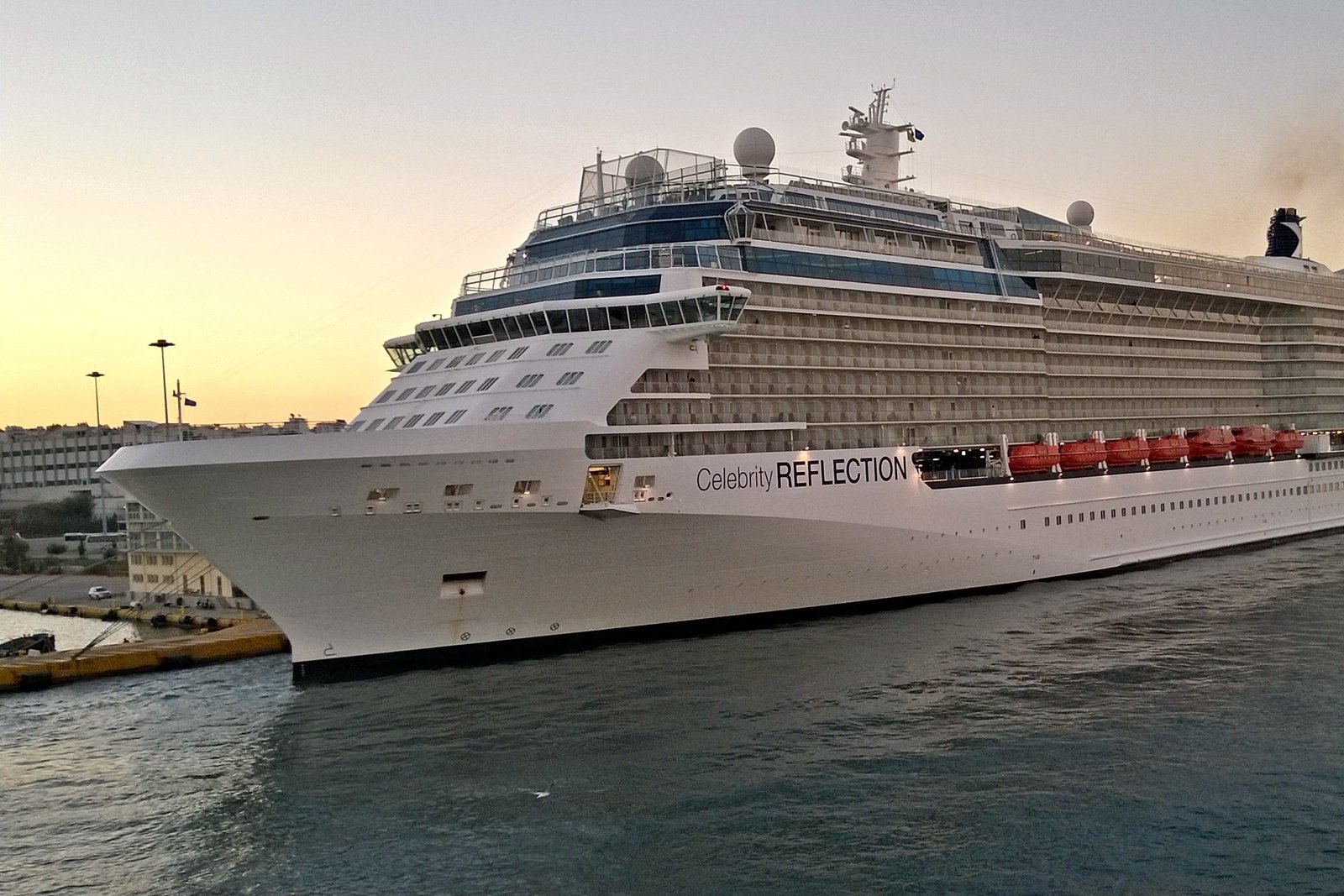
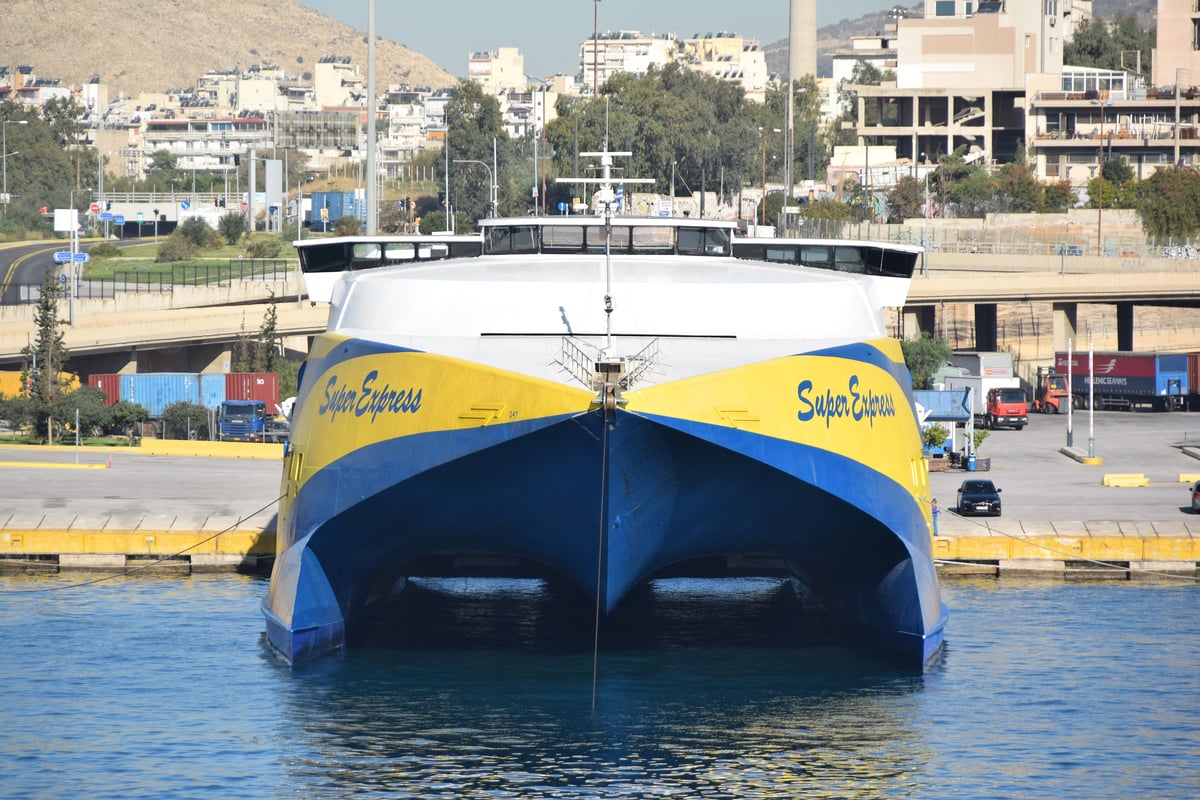
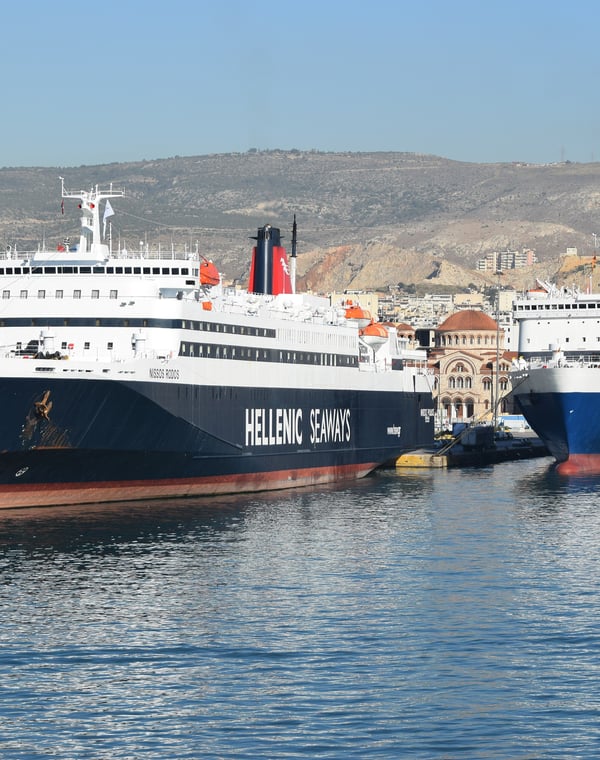
Greek ferries come broadly in two kinds. Conventional ferries are large, slower car ferries — stable, spacious, with open decks, seating areas, and room to walk around. High-speed ferries (catamarans and hydrofoils) are faster, more enclosed, often airline-style seating, and pricier. The same route is frequently served by both, so you'll choose between them when booking. Understanding the trade-offs helps you pick well for each leg.
Speed and cost
The headline trade-off: high-speed ferries can cut journey times roughly in half, but cost noticeably more. Conventional ferries take longer but are cheaper, sometimes significantly so, especially in the lower deck/economy classes. On a long route, the time saved by going fast can be worth the premium; on a short hop, the difference is small and the slower boat is the easy economical choice. Weigh the hours saved against the extra cost for each specific leg.
Comfort and the seasickness factor
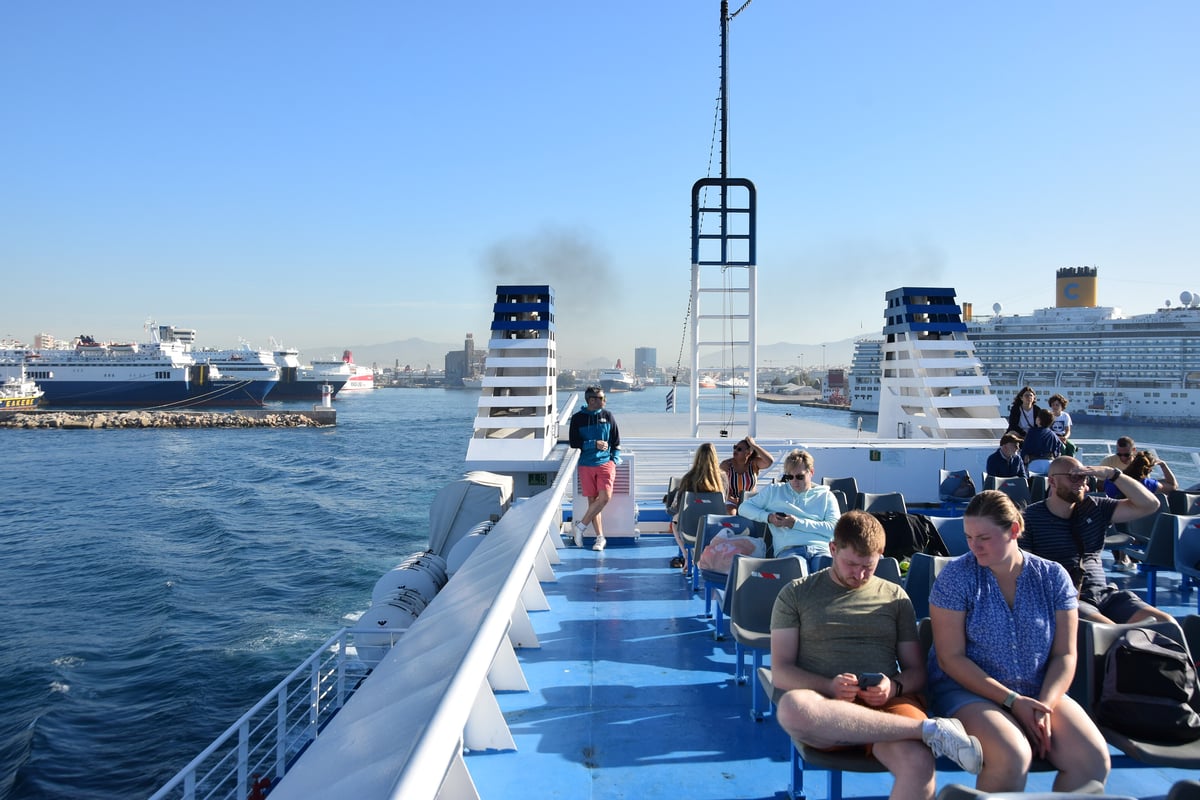
This is where many first-timers get caught out. Conventional ferries are far more stable — their size smooths the ride, and you can walk around and sit on the open deck, which helps if you're prone to seasickness. High-speed catamarans, being lighter and more enclosed, can feel bumpy and jolting in choppy seas, and the enclosed cabins make motion sickness worse for some. If you have a sensitive stomach, the slower conventional boat is the gentler, more pleasant ride.
The wind and cancellation factor
A crucial Greek-specific consideration: the summer meltemi wind. High-speed ferries are more likely to be delayed or canceled in strong winds, because their lighter build can't handle rough seas as safely as the big conventional ferries, which keep sailing in conditions that ground the fast boats. This matters most near the end of your trip — if a canceled fast ferry could make you miss your flight home, the sturdier conventional boat (or a buffer day) is the safer bet.
Luggage and boarding
On conventional ferries, luggage is easy — you can usually leave bags in a designated area and move freely, and there's plenty of space. High-speed ferries are more cramped, with tighter luggage storage and a faster, busier boarding scramble. For travelers with lots of luggage, families, or anyone wanting a relaxed boarding, the conventional boat is more comfortable. The fast boats prioritize speed over space.
How to choose for each leg
Match the boat to the leg. Pick the high-speed ferry when the time saved is significant (a long route on a short trip) and you want to maximize island time. Pick the conventional ferry for short hops, budget travel, seasickness-prone travelers, families, lots of luggage, the scenic open-deck experience, and — importantly — any leg where wind cancellation could threaten a flight connection. Many travelers mix both across a trip, choosing per leg. Because schedules and prices vary by season and route, check current options as you book.
The bottom line
There's no universally "better" ferry — it depends on the leg. High-speed saves time at a premium but is bumpier and more wind-sensitive; conventional is cheaper, steadier, roomier, and more reliable in wind, but slower. Use fast boats to save real time on long legs, conventional boats for comfort, budget, and reliability — and always favor the sturdier conventional ferry (with a buffer) for any leg before your flight home, when a cancellation would cost you most.
A quick decision guide by leg
To make this practical, here's how the choice tends to shake out. Athens to a distant island (or any long route on a short trip): lean high-speed to save the hours, unless wind is forecast or your stomach is sensitive. Short Cycladic hop (neighbor to neighbor): the conventional ferry is cheap, comfortable, and barely slower door-to-door, so it's usually the easy pick. Traveling with family, lots of luggage, or on a budget: conventional, for the space, ease, and lower cost. Prone to seasickness: conventional, every time. The leg right before your flight home: conventional plus a buffer day, because a wind-canceled fast ferry could cost you the flight. You're confident, time-pressed, and the seas are calm: high-speed is great. Most first-timers end up mixing both across a trip — fast where it saves a real chunk of time, conventional everywhere else — and that pragmatic, leg-by-leg approach gives you the best balance of speed, cost, comfort, and reliability.
FAQ
What's the difference between fast and slow ferries in Greece?
High-speed ferries (catamarans) are faster and pricier but more enclosed and bumpier; conventional ferries are slower and cheaper but larger, more stable, roomier, and more reliable in wind. The same route is often served by both.
Are fast ferries worth the extra cost?
On long routes where they save significant time, often yes. On short hops, the time difference is small and the cheaper conventional ferry is the easy choice. Weigh hours saved against the premium for each leg.
Which ferry is better for seasickness?
Conventional ferries — their size makes the ride much more stable, and you can sit on the open deck and walk around. High-speed catamarans can feel bumpy and jolting in choppy seas, which worsens motion sickness for some.
Can ferries be canceled by wind?
Yes — the summer meltemi wind delays or cancels high-speed ferries more often than the big conventional ones, which keep sailing in rougher seas. Favor the conventional boat and build a buffer for any leg before your flight home.
Which ferry is better with lots of luggage or kids?
Conventional ferries — they have more space, easier luggage areas, open decks for kids to move around, and a more relaxed boarding. High-speed boats are more cramped with tighter storage and a faster boarding scramble.