Greece's shoulder season (May–June, September–October): why it's the sweet spot for weather, swimmable seas, fewer crowds, and lower prices — and the trade-offs to know.
Ask seasoned Greece travelers when to go, and most will say the same thing: shoulder season. The months bracketing the summer peak — late spring and early fall — offer the best balance of warm weather, swimmable seas, manageable crowds, and gentler prices. For first-timers, understanding why shoulder season shines (and its few trade-offs) can shape a noticeably better trip. This guide covers Greece's shoulder season: when it is, why it's the sweet spot, and how to make the most of it.
This article contains affiliate links. If you book through them we earn a small commission at no extra cost to you.
When is shoulder season in Greece?
Greece's shoulder seasons are late spring (May and June) and early fall (September and into October) — the windows on either side of the July–August peak. These months sit between the busy, hot, expensive high summer and the quiet, cool, partly-shuttered off-season, capturing much of the best of summer with fewer of the downsides. For many travelers, especially first-timers, this is simply the ideal time to visit.
Why shoulder season is the sweet spot
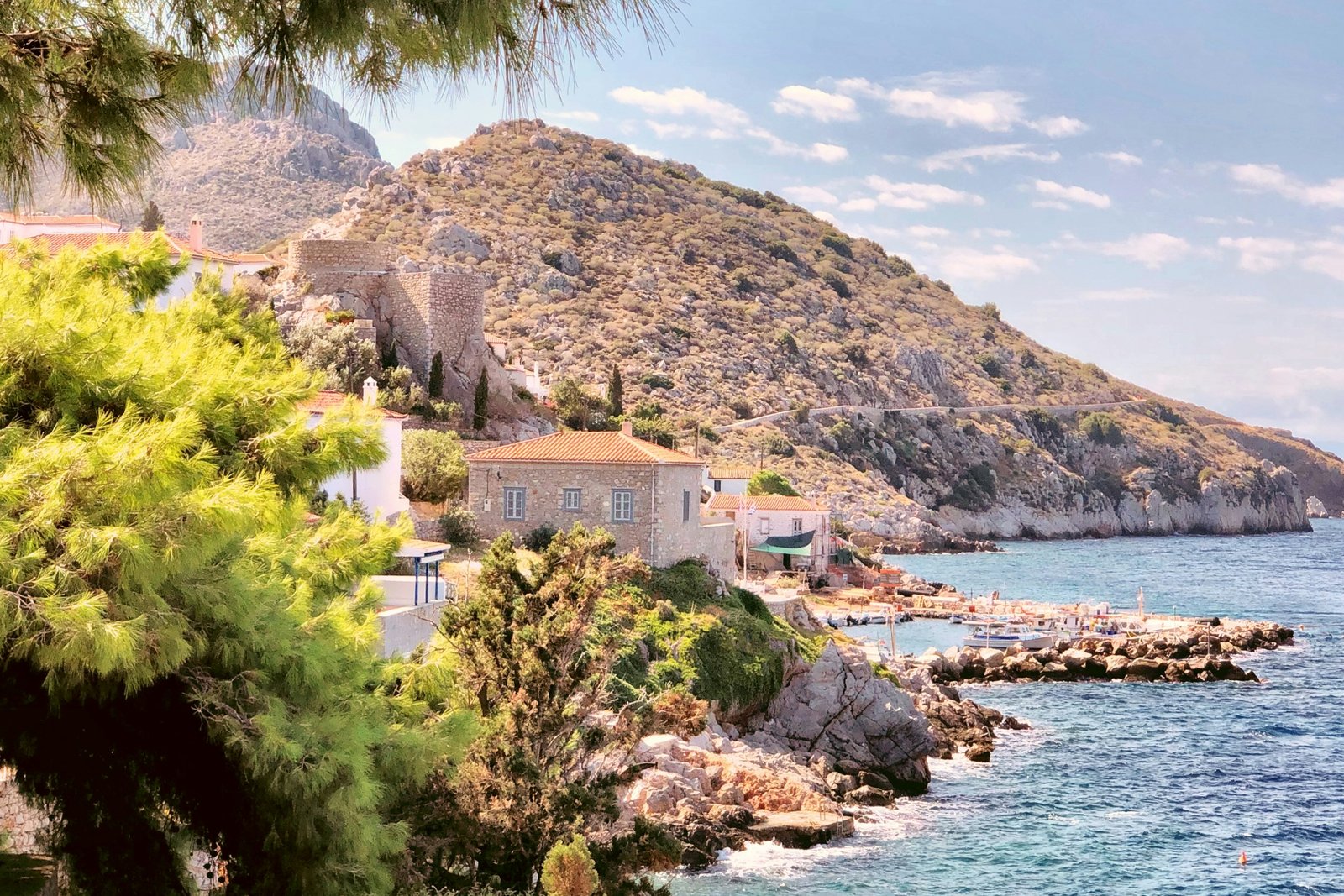
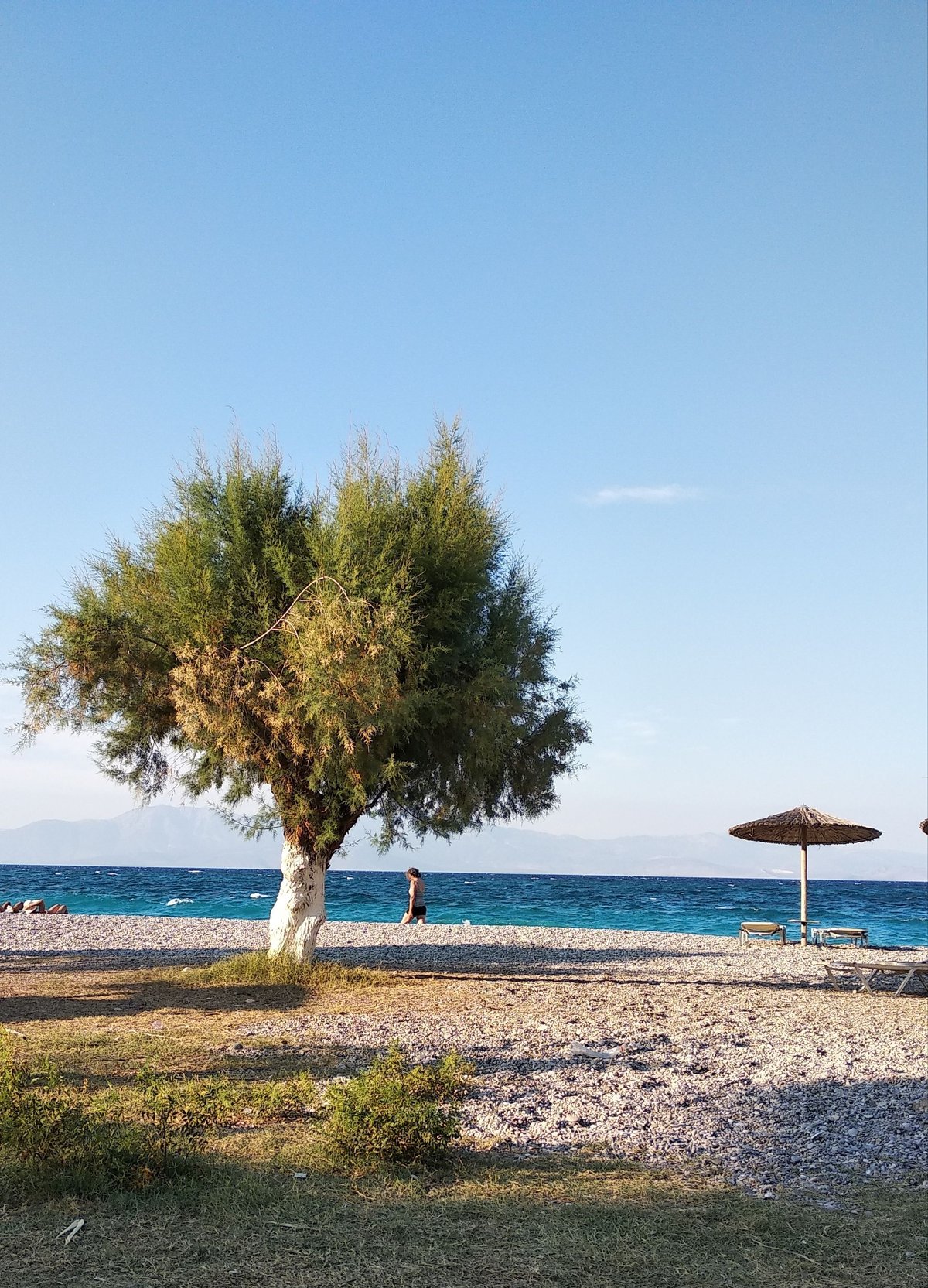
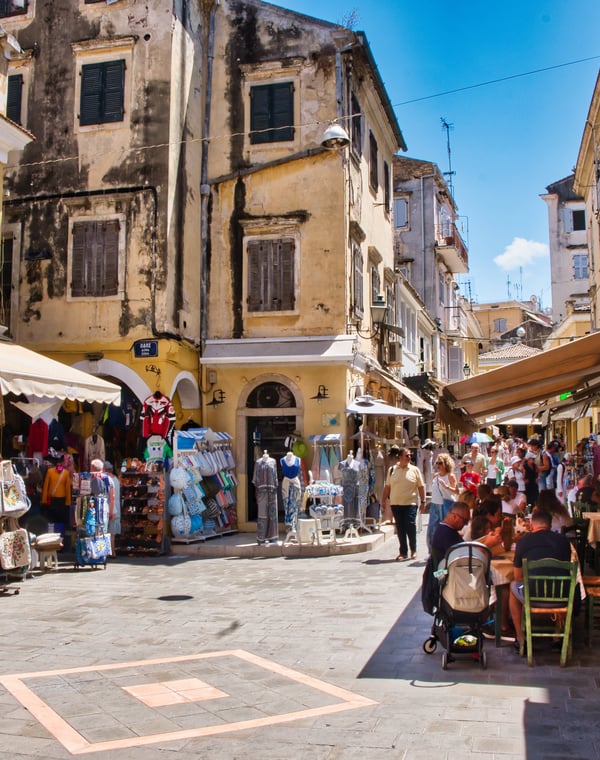
The appeal comes down to hitting several sweet spots at once. The weather is warm and sunny without the brutal peak-summer heat. The sea is swimmable (warmest in September after the summer). The crowds are far thinner than July–August, so the famous sights and islands feel pleasant rather than packed. And prices for flights, hotels, and ferries drop from their summer highs. You get a genuinely better experience and pay less for it — a rare win-win in travel.
Late spring (May–June)
May and June bring the landscape at its freshest — green hills, wildflowers in May, and comfortable temperatures ideal for sightseeing and hiking as well as beaches. The sea warms through the period (swimmable by June, a bit brisk in early May). Everything is open and running, crowds are modest, and prices are well below peak. It's a wonderful time for a first trip mixing ancient sites, island-hopping, and early-season beach days.
Early fall (September–October)
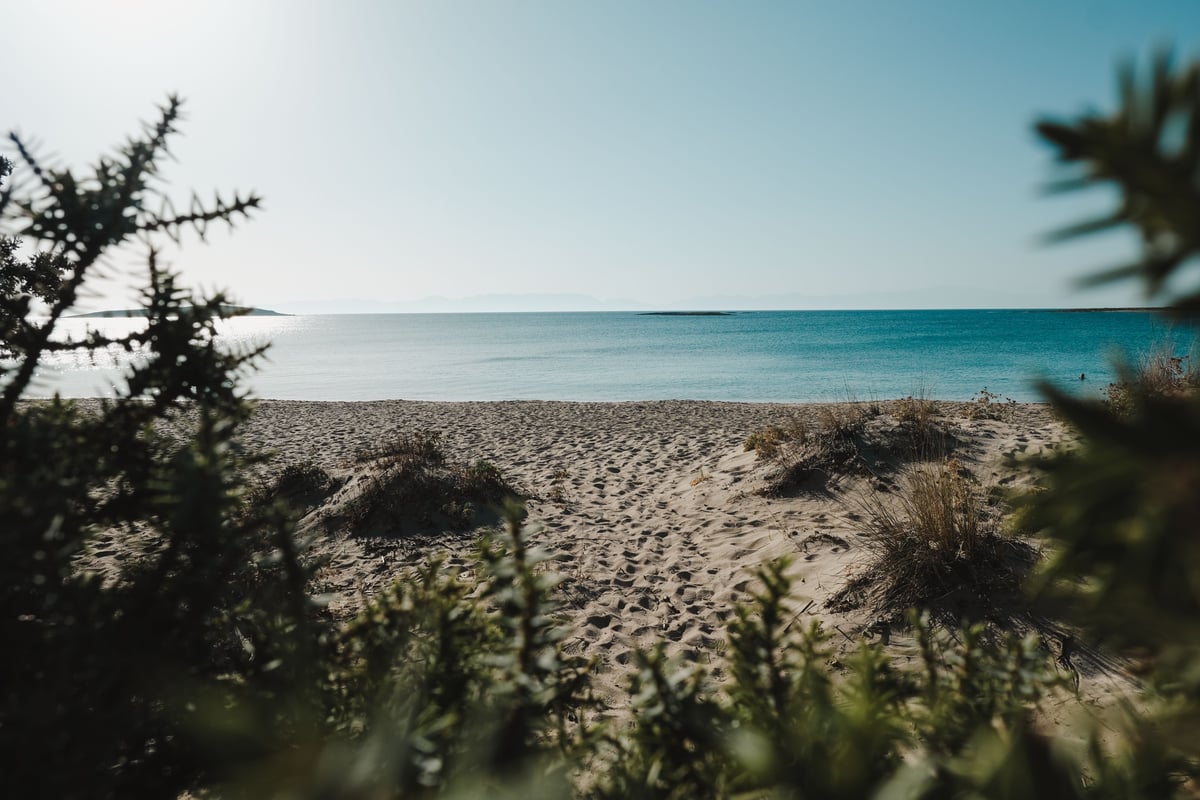
September is many travelers' single favorite month: the sea is at its warmest after summer, the weather is still gorgeous, but the peak crowds have gone and prices ease. Early October stays pleasant and swimmable, especially in the south, as the season gently winds down. It's the perfect time for a relaxed, warm, crowd-free trip — the fall mirror of the spring sweet spot, with the bonus of the warmest water of the year.
The trade-offs to know
Shoulder season is excellent, but be aware of a few things. At the edges (early May, late October), some seasonal hotels, restaurants, and ferry routes may not be fully running, especially on smaller islands — so check that what you want is open. The weather is slightly less guaranteed than peak summer; you might catch a cooler or rainier day, particularly in spring and late fall. And the sea is cooler in May than in September. None of these are dealbreakers, but they're worth planning around — lean toward June and September if you want the safest balance.
Who shoulder season suits best
Shoulder season is ideal for first-timers wanting the best overall experience, couples and honeymooners seeking romance without crowds, budget-conscious travelers wanting lower prices, sightseers who'd rather not bake in peak heat at ancient sites, and anyone crowd-averse. It's less ideal only for those specifically wanting the full peak-summer party scene and guaranteed hottest weather, or traveling on a fixed school-summer schedule. For most, it's the smart choice.
Making the most of shoulder season
To maximize it: target June or September for the safest balance of weather, warm sea, and open services; book ahead still for the best hotels and flights, as these months are increasingly popular; check that island services are running if traveling at the season's edges; and take advantage of the thinner crowds to enjoy the famous sights early or late in the day in comfort. Because prices still vary by date and demand, compare current options as you book to lock in the shoulder-season savings.
The bottom line
Greece's shoulder seasons — May–June and September–October — are the connoisseur's choice and an ideal time for most first-timers: warm and swimmable, far less crowded, and noticeably cheaper than peak summer, with everything (especially in June and September) open and running. Mind the edges of the season for closures, lean toward the core months for the safest balance, and you'll enjoy Greece at arguably its very best — for less.
Shoulder season by region
Shoulder season plays out a little differently across Greece, so it helps to know what to expect where. In Athens, spring and fall are ideal for sightseeing — comfortable temperatures for walking the ancient sites without the brutal summer heat, and the city stays lively year-round, so nothing is closed. On the Cyclades (Santorini, Mykonos, Naxos, Paros), June and September are superb, with everything open and the islands at their best; at the edges (early May, mid-to-late October), services start thinning, especially on smaller islands, so check ahead. Crete, thanks to its southern position and size, enjoys a notably longer season — it warms up earlier in spring and stays pleasant later into fall than the Cyclades, making it an excellent shoulder-season choice when other islands are quieter. The further into the shoulder edges you go, the more it pays to confirm that hotels, tavernas, and ferries are running on your chosen island. For the safest, fullest shoulder-season experience across any region, the core months of June and September are the reliable sweet spot — warm, open, and uncrowded almost everywhere you'd want to go on a first trip.
FAQ
When is shoulder season in Greece?
Late spring (May and June) and early fall (September into October) — the months on either side of the July–August peak. These windows offer warm weather, swimmable seas, fewer crowds, and lower prices.
Why is shoulder season the best time to visit Greece?
It hits several sweet spots at once — warm but not brutally hot weather, swimmable seas, far thinner crowds than peak summer, and lower prices for flights, hotels, and ferries. You get a better experience for less money.
Is the sea warm enough to swim in shoulder season?
Yes, especially in September, when the sea is at its warmest after summer. June is also swimmable; early May is a bit brisk as the water is still warming up.
What are the downsides of shoulder season?
At the edges (early May, late October), some seasonal hotels, restaurants, and ferries may not be fully running, especially on small islands, and the weather is slightly less guaranteed. Leaning toward June and September minimizes these.
What's the best month to visit Greece?
June and September are the standout choices — they consistently deliver the best balance of warm weather, swimmable seas (warmest in September), manageable crowds, open services, and good value for a first trip.