What to pack for Greece: pack light, bring serious sun protection and comfortable sturdy shoes for ancient stone, plus a plug adapter, church cover-ups, and a layer.
Packing for Greece is mostly about being ready for sun, sea, and a lot of walking on uneven ancient stones — with a few specifics that first-timers often overlook. Pack smart and light, and you'll be comfortable everywhere from the Acropolis to a beach to a taverna dinner. This guide covers what to pack for Greece: the essentials, the easy-to-forget items, and how to adjust for the season, so you arrive prepared for the trip.
This article contains affiliate links. If you book through them we earn a small commission at no extra cost to you.
The golden rule: pack light
Start with a mindset: pack light. You'll be moving between hotels, hauling bags across the sprawling Piraeus port, up island steps, and on and off ferries — heavy luggage is a real burden in Greece. A carry-on or modest suitcase, ideally with wheels and not too big for cobbles and stairs, beats an overstuffed bag. Greece is casual and warm, so you need less than you think, and you can do laundry along the way. Light packing makes the whole trip easier.
Clothing essentials
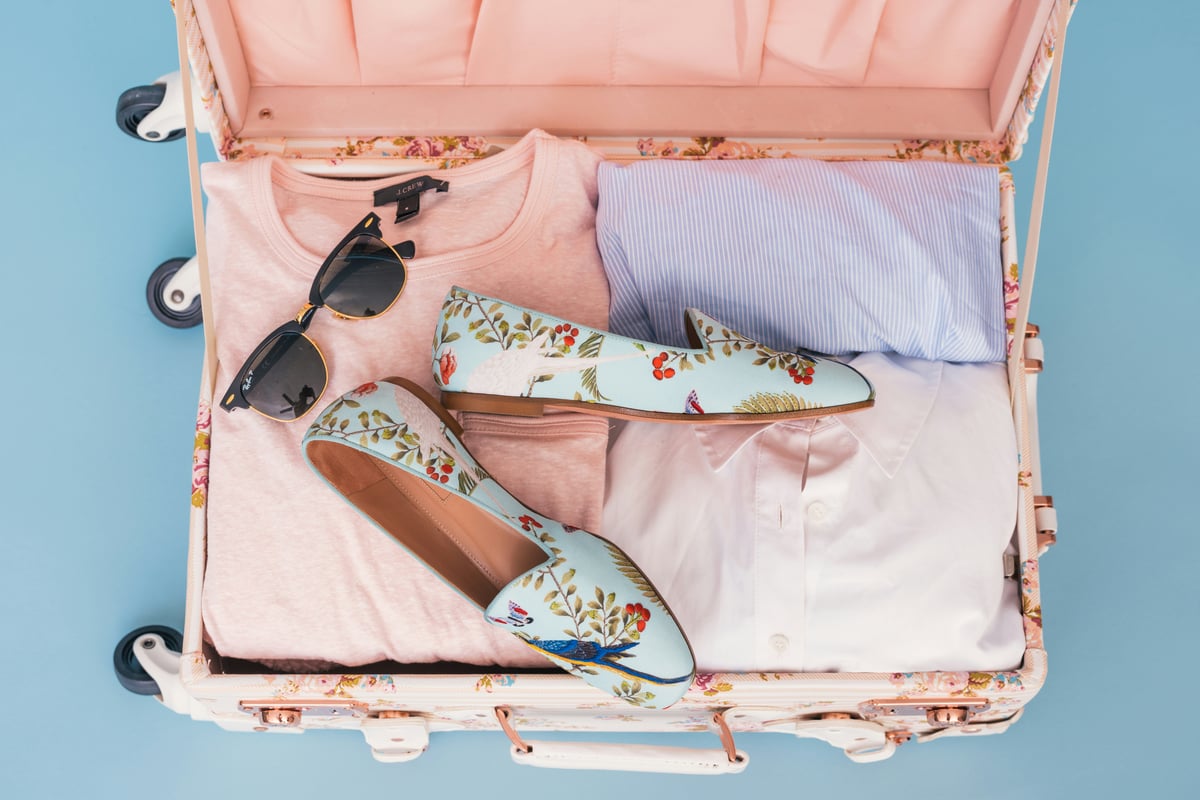
For most of the season, pack light, breathable clothing — cotton and linen in light colors handle the heat well. Bring swimwear (a couple of sets), sundresses, shorts, t-shirts, and light tops, and one or two slightly nicer outfits for dinners out (Greece is casual, but some restaurants and bars lean stylish in the evening). A light layer — a cardigan, light jacket, or wrap — is useful for breezy evenings, ferries, and air-conditioning. Don't overpack; you'll re-wear and wash.
The most important item: good shoes
This is the one first-timers underestimate. Greece means a lot of walking on uneven surfaces — ancient marble worn smooth and slippery, cobbled lanes, stone steps, and rocky paths. Bring comfortable, sturdy walking shoes or sneakers with good grip, broken in before you travel. Add sandals or flip-flops for the beach and casual wear, and water shoes if you'll visit pebbly beaches. Skip flimsy shoes for sightseeing — sore feet or a slip on the Acropolis will ruin a day.
Sun protection
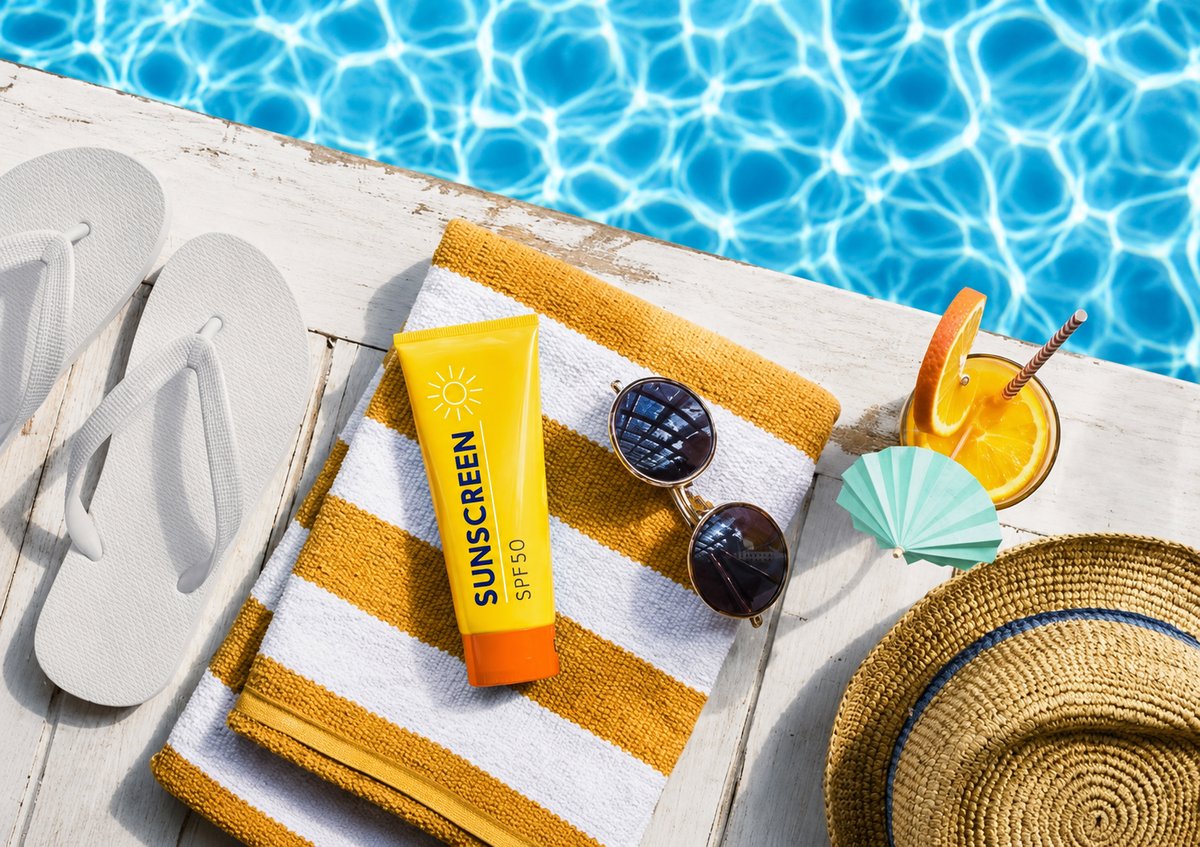
The Greek sun is strong, especially in summer, and much sightseeing is unshaded. Pack high-SPF sunscreen (it's pricier to buy there), a hat, sunglasses, and lightweight clothing that covers up for the most intense hours. Sunburn and heat are among the most common ways travelers spoil a Greek trip, so take sun protection seriously — reapply often and seek shade at midday.
Easy-to-forget essentials
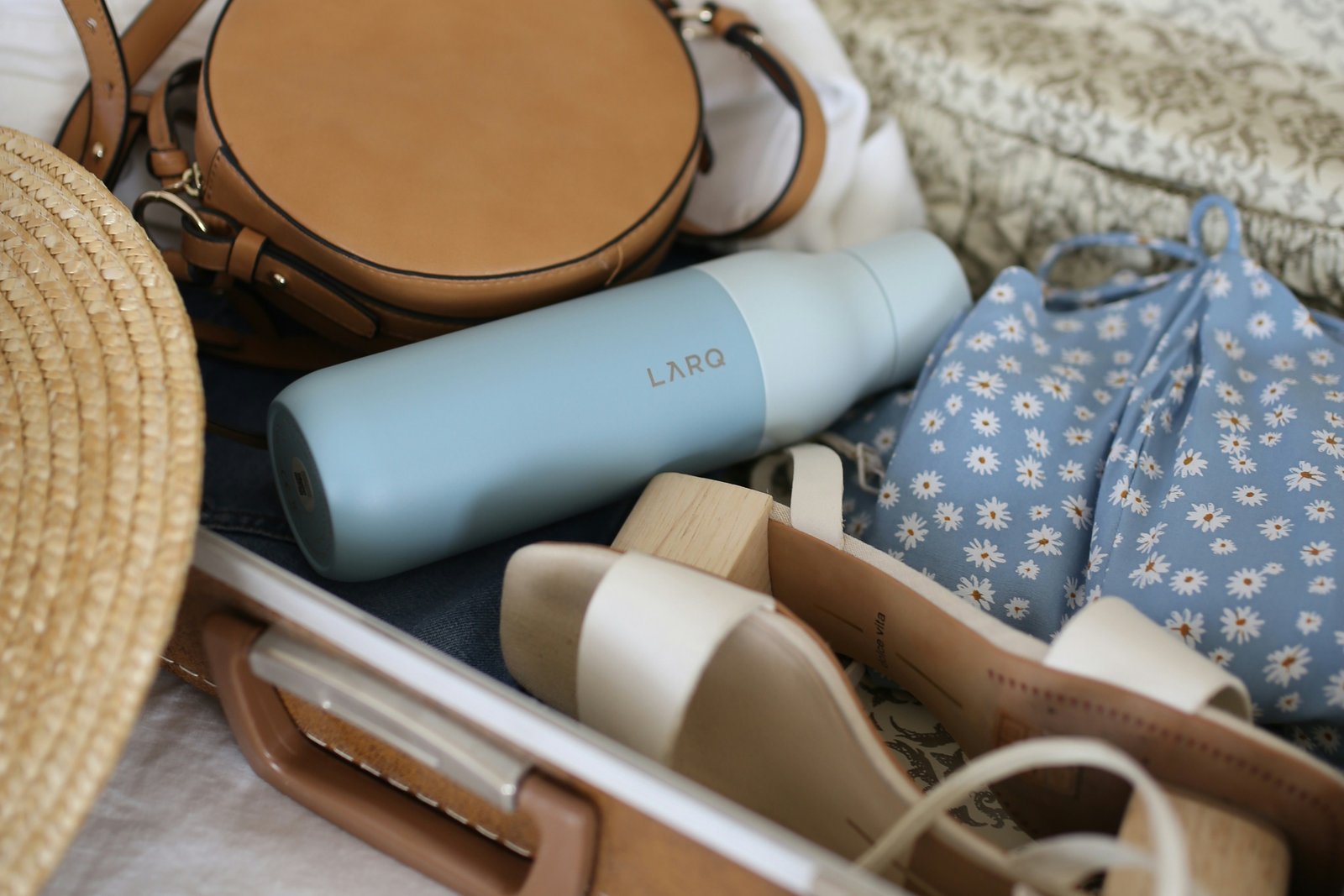
The items first-timers most often forget: a plug adapter (Greece uses the European two-round-pin Type C/F plugs, 230V — your U.S. devices need an adapter, and check that they're dual-voltage); a reusable water bottle (refill to stay hydrated in the heat); any medications in their original packaging plus a small first-aid kit; motion-sickness remedies if you're prone to it (handy for fast ferries); a day bag or cross-body bag for daily essentials; and a portable charger for long days out. These small things save hassle on the ground.
For visiting churches and monasteries
If you plan to visit churches or monasteries, pack something to cover shoulders and knees — a light scarf or wrap works well and doubles as an evening layer. Some monasteries require women to cover up further (wraps are often provided), but having your own is convenient. This is easy to forget and means you won't be turned away from a sight you wanted to see.
Adjusting for the season
Tweak by when you go. Peak summer (Jul–Aug): lightest clothing, maximum sun protection, swimwear-focused. Shoulder season (May–Jun, Sep–Oct): mostly summer clothes plus a warmer layer or two for cooler evenings, and a light rain layer at the edges. Winter: warmer clothes, a proper jacket, and rain gear, as it's cool and can be wet, especially for an Athens/culture trip. Always check the forecast for your specific dates and islands before finalizing.
The bottom line
Pack for Greece light and smart: breathable summer clothing, serious sun protection, and above all comfortable, sturdy shoes for all that walking on ancient stone. Don't forget the plug adapter, a water bottle, church-appropriate cover-ups, and a layer for evenings. Adjust for your season, keep the bag manageable for ports and steps, and you'll be comfortable and ready for everything a Greek trip throws at you — from ruins to beaches to long taverna nights.
What you can leave at home
Packing light is easier when you know what to skip. Heavy outfits and lots of "just in case" clothes can stay home — Greece is warm and casual, you'll re-wear basics, and laundry is easy to find. Hair dryers and bulky toiletries are usually unnecessary, since most hotels provide dryers and you can buy toiletries there (though bring your high-SPF sunscreen, which is pricier locally). Excessive formal wear isn't needed; even nice restaurants are smart-casual at most. You don't need to bring large amounts of cash or euros from home — bank ATMs in Greece give better rates. And skip the full medicine cabinet; pharmacies are everywhere for anything you forget. The goal is a bag you can comfortably carry up island steps and across the Piraeus port without strain. A useful test: lay out everything you plan to bring, then remove a third of the clothes — you'll almost certainly still have plenty, and you'll thank yourself every time you move between islands. Travelers consistently report wishing they'd packed less, never more, for a Greek trip.
FAQ
What should I pack for Greece?
Light, breathable clothing, swimwear, sun protection (high-SPF sunscreen, hat, sunglasses), and above all comfortable, sturdy walking shoes for uneven ancient stone. Add a light layer for evenings, a plug adapter, a water bottle, and cover-ups for churches.
What kind of shoes should I bring to Greece?
Comfortable, sturdy walking shoes or sneakers with good grip, broken in beforehand — Greece involves lots of walking on slippery ancient marble, cobbles, and steps. Add sandals or flip-flops for the beach, and water shoes for pebbly beaches.
Do I need a plug adapter for Greece?
Yes — Greece uses European two-round-pin (Type C/F) plugs at 230V. Bring an adapter for your U.S. devices, and check they're dual-voltage (most phone and laptop chargers are).
How should I pack for visiting churches in Greece?
Bring something to cover your shoulders and knees, like a light scarf or wrap that doubles as an evening layer. Some monasteries ask women to cover up further, often providing wraps, but having your own is convenient.
Should I pack light for Greece?
Definitely — you'll move between hotels, across the large Piraeus port, up island steps, and on and off ferries, so heavy luggage is a burden. A carry-on or modest wheeled suitcase is ideal; Greece is casual and warm, so you need less than you think.
Keep planning
Not sure how the islands fit together?
Pick your trip length and we'll route a real island-by-island plan — ferries included.