How to visit the Acropolis: when to go to beat the heat and crowds, what you'll see, tickets and skip-the-line tips, and why the Acropolis Museum is essential.
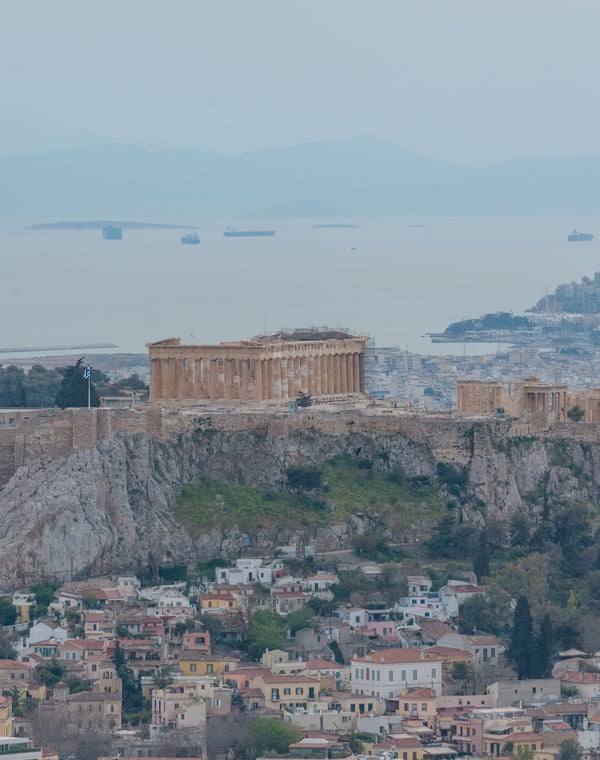
The Acropolis is the reason most people come to Athens — a 2,500-year-old citadel crowned by the Parthenon, standing over the modern city like it has since the golden age of ancient Greece. It's also hot, crowded, and steep, which means a little planning turns a sweaty shuffle into one of the great experiences of a Greek trip. This guide covers how to visit the Acropolis: when to go, what you'll see, how to beat the lines and the heat, and what's worth pairing with it.
This article contains affiliate links. If you book through them we earn a small commission at no extra cost to you.
When to go: timing is everything
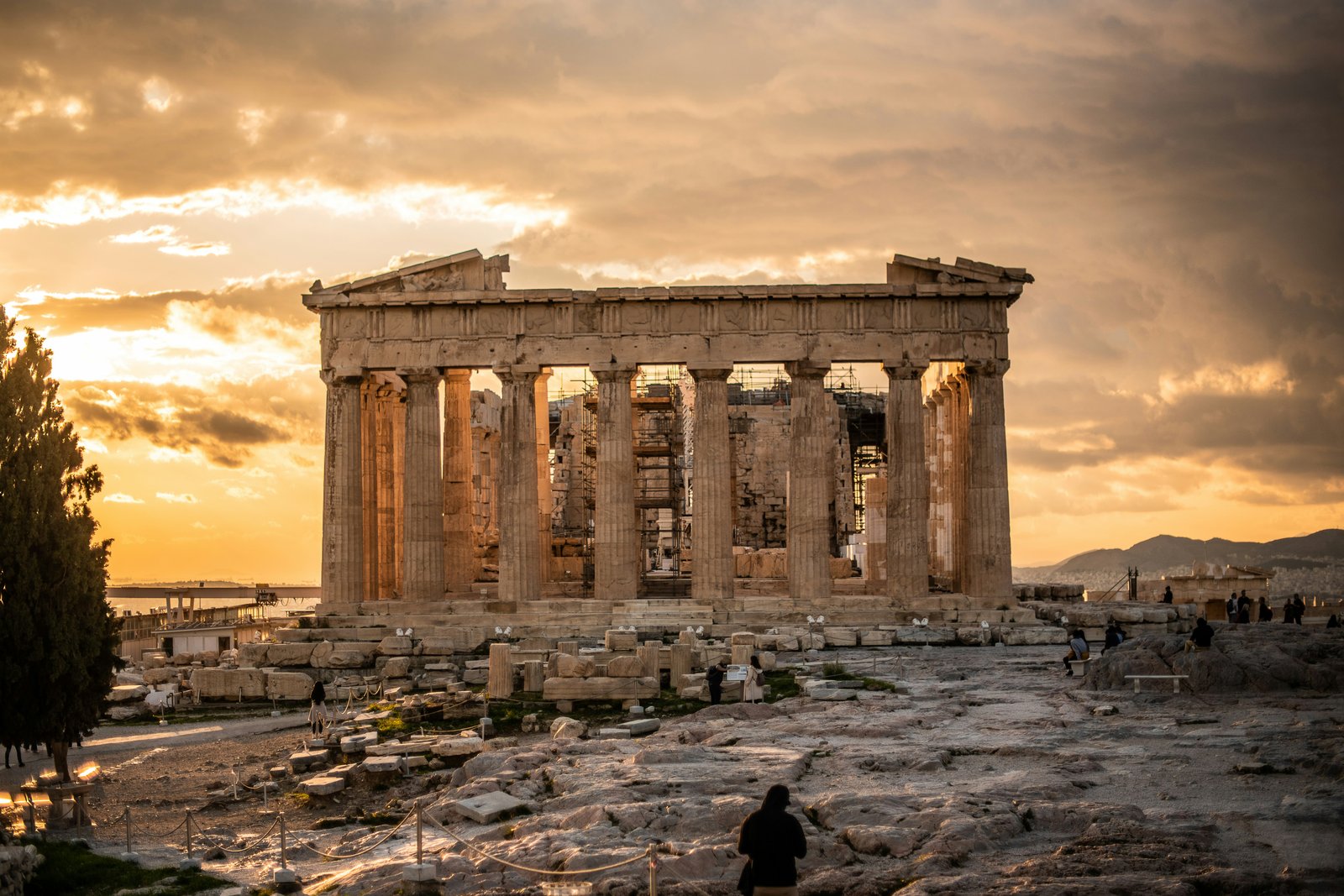
The Acropolis is open-air, unshaded, and Athens summers are brutally hot, so timing matters more than anything else. Go right at opening in the morning or in the late afternoon before closing — you'll dodge both the midday heat and the worst of the cruise-ship and tour-group crowds that peak late morning. Avoid midday in July and August entirely if you can; the marble radiates heat and there's nowhere to hide from the sun. Late afternoon has the bonus of beautiful golden light for photos.
What you'll see up top
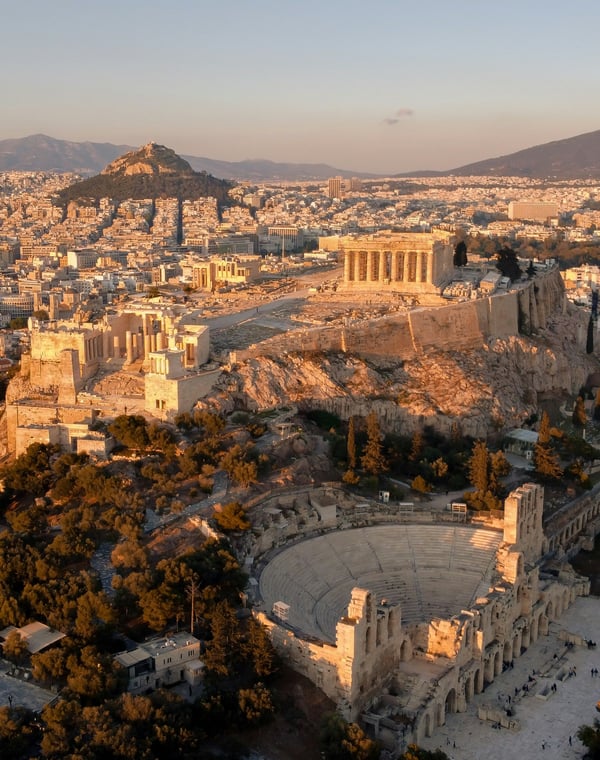
The star is the Parthenon, the great temple to Athena that has defined Western architecture for millennia. But the whole hilltop rewards exploration: the elegant Erechtheion with its famous Caryatid porch (columns shaped as women), the monumental Propylaea gateway you pass through on the way up, and the small, perfect Temple of Athena Nike. From the summit, the views over Athens to the sea are spectacular. Below the hill sit two ancient theaters, including the Odeon of Herodes Atticus, still used for performances.
Tickets and how to skip the line
You can buy a ticket just for the Acropolis or a combination ticket that bundles it with several other ancient sites (the Agora, the Roman Agora, and more) for less than buying them separately — well worth it if you plan to see the other sites. Lines at the entrance can be long in peak season; buying ahead or joining a guided tour with priority entry saves real time. A good guide also brings the ruins to life in a way the silent stones can't on their own.
The Acropolis Museum — don't skip it
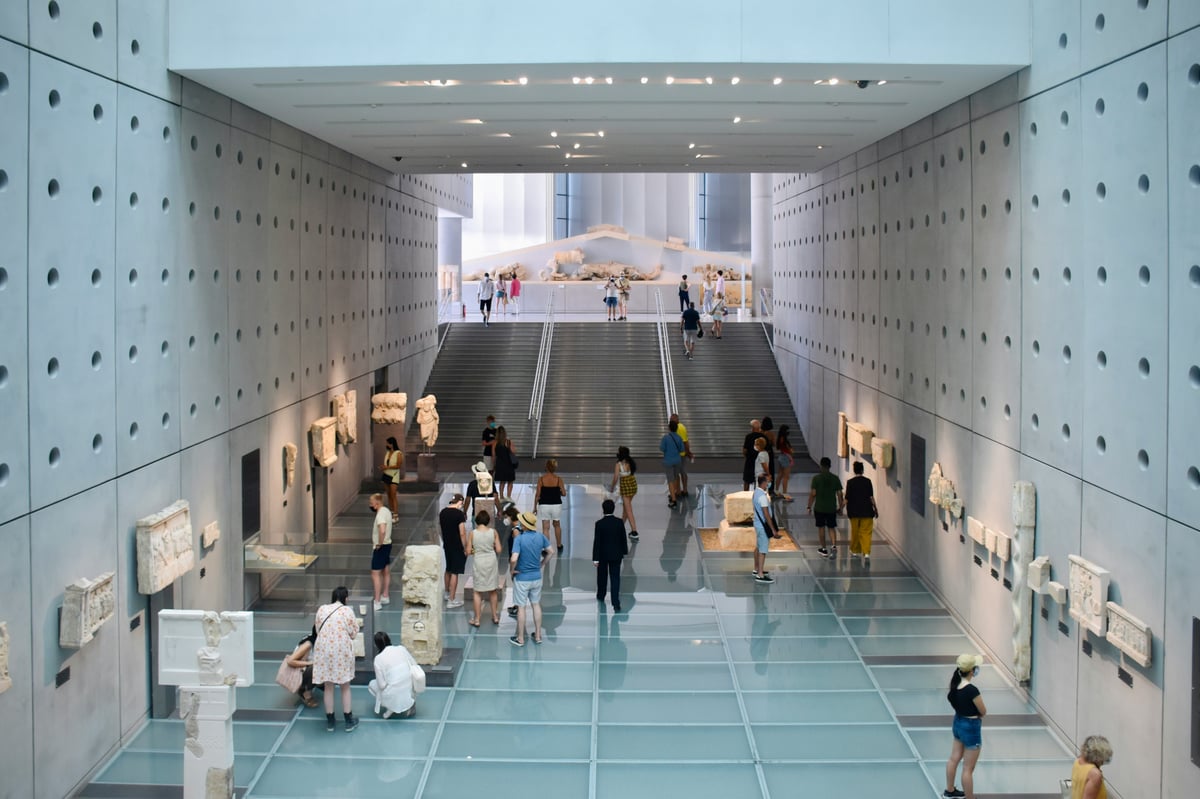
At the foot of the hill, the modern Acropolis Museum is the essential companion to the site. It displays the original sculptures and friezes (the ones on the monuments today are largely copies, protecting the fragile originals) in context, with a glass floor over ongoing excavations and a top-floor gallery aligned with the Parthenon itself. Pairing the hill with the museum — ideally the museum after the hill — turns a photo stop into a real understanding of what you're looking at.
Practical tips for the climb
A few things make the visit smoother. Wear sturdy shoes with grip — the marble pathways are worn smooth and genuinely slippery. Bring water, a hat, and sunscreen; there's no shade and no shop up top. The climb is moderate but steep with uneven steps, so it's not ideal for anyone with serious mobility issues (there is an elevator for visitors who need it, arranged in advance). Allow about two to three hours for the hill plus the museum. And dress with a little modesty if you're combining it with nearby churches.
What to pair it with
The Acropolis sits at the center of ancient Athens, so it pairs naturally with the Ancient Agora just below (where the Temple of Hephaestus is even better preserved than the Parthenon), and a wander through Plaka and Anafiotika, the charming old-town lanes on the slopes. Cap the day with sunset drinks at a rooftop bar facing the floodlit Acropolis — the monument is arguably even more beautiful lit up after dark.
A quick history, so you know what you're seeing
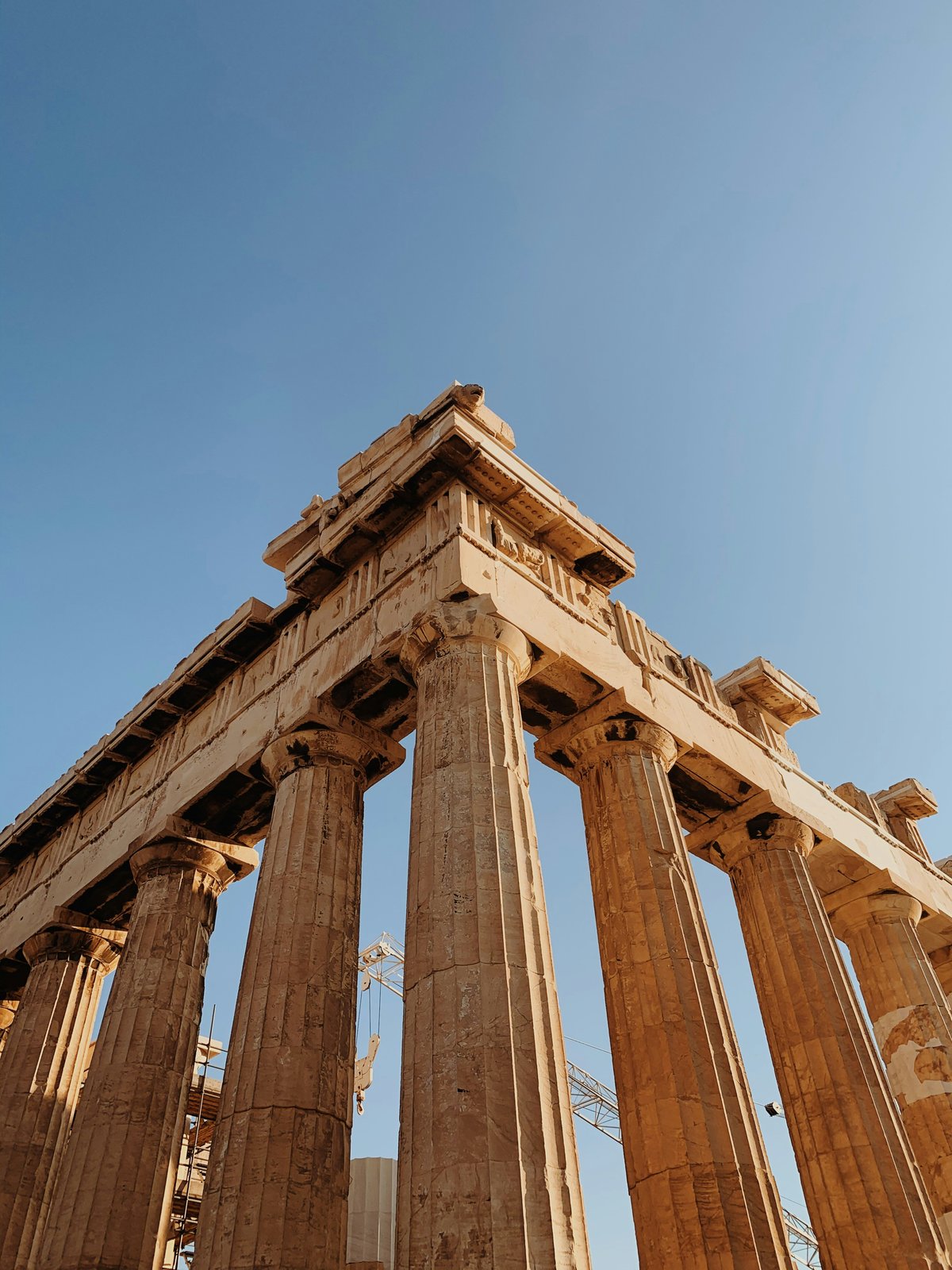
Knowing the story makes the stones come alive. The Acropolis ("high city") was the fortified religious heart of ancient Athens, and most of what stands today dates to the 5th century BC, the golden age under the statesman Pericles, after the Persians sacked the earlier temples. The Parthenon was built as a temple to Athena, the city's patron goddess, and doubled as a treasury; its perfectly proportioned columns subtly curve to correct optical illusions, a famous feat of ancient engineering. Over the centuries it served as a church and a mosque, and was badly damaged in 1687 when besieging forces ignited gunpowder stored inside. Understanding that this is a 2,500-year-old, much-battered survivor — not a pristine monument — makes standing in front of it far more moving.
FAQ
What's the best time to visit the Acropolis?
Right at opening in the morning or in the late afternoon before closing — both avoid the midday heat and the heaviest crowds. Late afternoon also gives beautiful golden light for photos.
Should I buy Acropolis tickets in advance?
Yes, especially in peak season when entrance lines are long. A combination ticket bundling the Acropolis with other ancient sites saves money, and a guided tour with priority entry saves time.
Is the Acropolis Museum worth it?
Very much — it displays the original sculptures in context and explains what you're seeing on the hill. Visit it after the Acropolis itself for the fullest understanding.
How long do I need at the Acropolis?
About two to three hours for the hilltop and the museum together. The hill itself takes around an hour to ninety minutes at a relaxed pace.
Is the climb difficult?
It's a moderate but steep climb on smooth, uneven marble, so wear shoes with grip and bring water and sun protection. An elevator is available for visitors with mobility needs if arranged in advance.
Keep planning
Not sure how the islands fit together?
Pick your trip length and we'll route a real island-by-island plan — ferries included.