How to visit Delphi from Athens: the ancient oracle on Mount Parnassus, what to see, tour vs independent, and combining it with the mountain town of Arachova.
The ancient Greeks believed Delphi was the center of the world — the home of the famous oracle, where pilgrims came to consult the god Apollo. Today it's one of Greece's most breathtaking archaeological sites, set on the dramatic slopes of Mount Parnassus a few hours from Athens. It makes a rewarding day trip for anyone drawn to ancient history and mountain scenery. This guide covers how to visit Delphi from Athens: what to see, how to get there, and what to expect.
This article contains affiliate links. If you book through them we earn a small commission at no extra cost to you.
Why Delphi matters
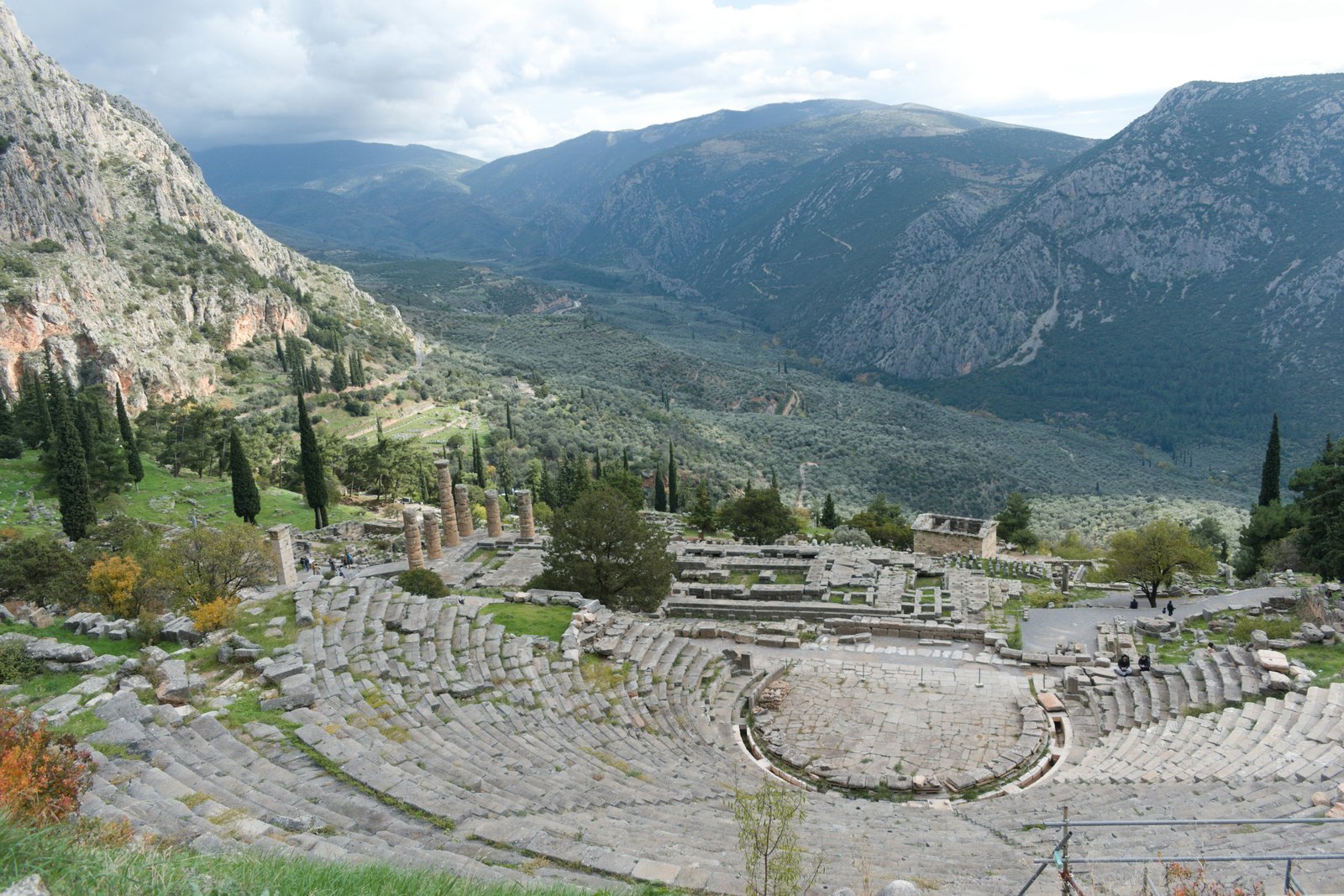
Delphi was the most important religious sanctuary in the ancient Greek world — home to the Oracle of Delphi, the priestess (Pythia) through whom Apollo was believed to speak. Kings and commoners traveled here for prophecies, and the Greeks considered it the navel of the world. The sanctuary's spectacular setting on the slopes of Mount Parnassus, overlooking a valley of olive groves to the sea, makes it as scenically stunning as it is historically profound.
What to see at Delphi
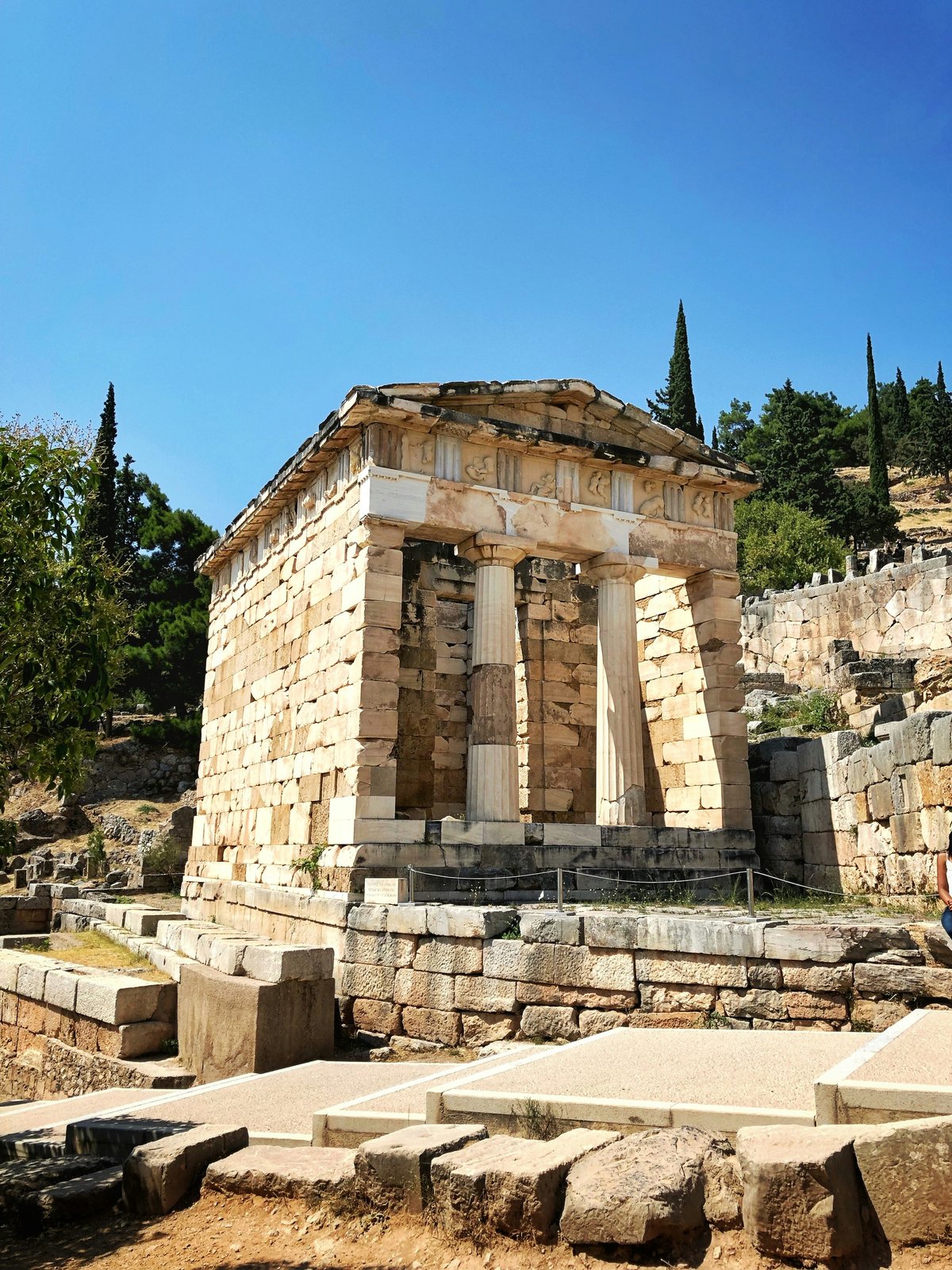
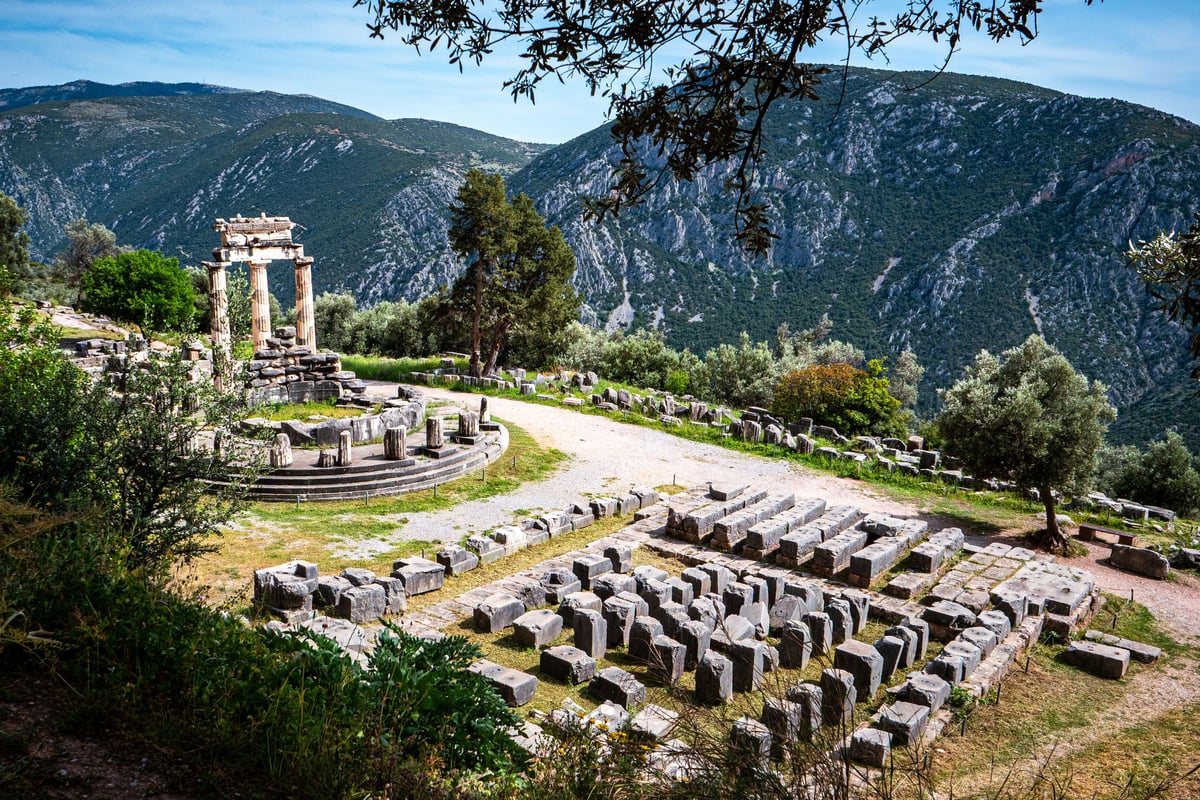
The site rewards exploration. The Sacred Way winds up past treasuries to the Temple of Apollo, the heart of the oracle. Higher up are a beautifully preserved ancient theater and a stadium that hosted the Pythian Games. Don't miss the superb Delphi Archaeological Museum, which houses treasures including the famous bronze Charioteer of Delphi. Below the main site sits the iconic round Tholos at the sanctuary of Athena Pronaia — one of the most photographed structures in Greece.
How to get there
Delphi is about two and a half hours northwest of Athens. Your options:
A guided day tour is the most popular and practical choice — round-trip transport, a guide to bring the ancient site to life, and no driving on mountain roads. Public KTEL buses run from Athens to Delphi, the budget option, but the timing makes a day trip tight, so many bus travelers stay overnight in the modern town. Renting a car (with your International Driving Permit) gives flexibility and a scenic drive, with a stop possible at the atmospheric mountain town of Arachova en route.
Tour or independent?
For most first-timers, an organized tour is the smart way to do Delphi as a day trip. It removes the long mountain drive, fits the site and often the museum into a single well-paced day, and adds the historical context that turns ruins into stories — Delphi's significance isn't obvious from the stones alone. Independent travel by car gives more freedom (and a chance to linger or add Arachova), but the driving and timing make it more effort. By bus, consider an overnight to avoid a rushed turnaround.
What to expect on site
Delphi involves a fair amount of walking uphill on uneven ancient paths, so wear good shoes and bring water and sun protection — much of it is exposed. Allow a few hours for the archaeological site plus the museum. The mountain setting means it can be cooler and breezier than Athens, so bring a layer. There's an entry fee (a combined ticket covers the site and museum). The modern town of Delphi nearby has cafés and tavernas for lunch with a view.
Combining with Arachova
If you have a car or a tour that includes it, the nearby mountain town of Arachova is a lovely add-on — a picturesque stone village known for its weaving, cheese, and (in winter) skiing, clinging to the slopes of Parnassus. It makes a charming lunch or coffee stop and rounds out a day in the mountains beyond the ruins.
The bottom line
Delphi is one of the great day trips from Athens — a profound ancient site in a jaw-dropping mountain setting, where you can stand at what the Greeks called the center of the world. It's a longer day than Cape Sounion, so an organized tour is often the easiest way to do it well. Go for the history, stay for the views, and you'll understand why Delphi captivated the ancient world for centuries.
When to visit Delphi
Delphi works year-round but the season shapes the experience. Spring (April–May) is glorious — wildflowers on the slopes of Parnassus, comfortable walking temperatures, and green valleys. Fall (September–October) is similarly pleasant, with mild weather and thinner crowds. Summer is hot and busy, so an early start or a tour that beats the midday heat helps, since much of the site is exposed and involves uphill walking. Winter brings a different magic — the mountain setting can be cold or even snowy, and nearby Arachova becomes a ski town, so a winter Delphi trip pairs ancient history with alpine scenery (dress warmly and check that the site and roads are clear). For most first-timers visiting Athens in the popular spring-to-fall window, Delphi is comfortably doable as a day trip; just match your timing to the heat, going early in summer and savoring the cooler mountain air in the shoulder months.
FAQ
Is Delphi worth a day trip from Athens?
Yes — it's one of Greece's most important and scenic ancient sites, home to the famous oracle, set dramatically on Mount Parnassus. The history and mountain views make it a rewarding, if longer, day trip.
How far is Delphi from Athens?
About two and a half hours northwest by road. A guided tour or rental car works as a day trip; by public bus the timing is tight, so many travelers stay overnight in the modern town of Delphi.
Should I do Delphi as a tour or independently?
For most first-timers a guided tour is easiest — it handles the mountain drive, fits the site and museum into a well-paced day, and adds essential historical context. A car offers more freedom but more effort.
What should I see at Delphi?
The Sacred Way, the Temple of Apollo, the ancient theater and stadium, the round Tholos at Athena Pronaia, and the archaeological museum with its famous bronze Charioteer of Delphi.
How much walking is involved at Delphi?
A fair amount, uphill on uneven ancient paths, so wear good shoes and bring water and sun protection. Allow a few hours for the site and museum, and a layer for the cooler mountain air.
Keep planning
Not sure how the islands fit together?
Pick your trip length and we'll route a real island-by-island plan — ferries included.