A guide to Athens's ancient sites: the Acropolis, Agora, Roman Agora, Temple of Olympian Zeus, the theaters, the museums — and the money-saving combination ticket.
The Acropolis gets all the attention, but Athens is layered with ancient sites — agoras, temples, theaters, and museums that together tell the story of the city that gave the world democracy, philosophy, and drama. For history lovers, knowing how they connect (and how to see them efficiently with a single combination ticket) turns a day of sightseeing into a journey through classical antiquity. This guide covers the essential ancient sites of Athens and how to see them.
This article contains affiliate links. If you book through them we earn a small commission at no extra cost to you.
The Acropolis and Parthenon
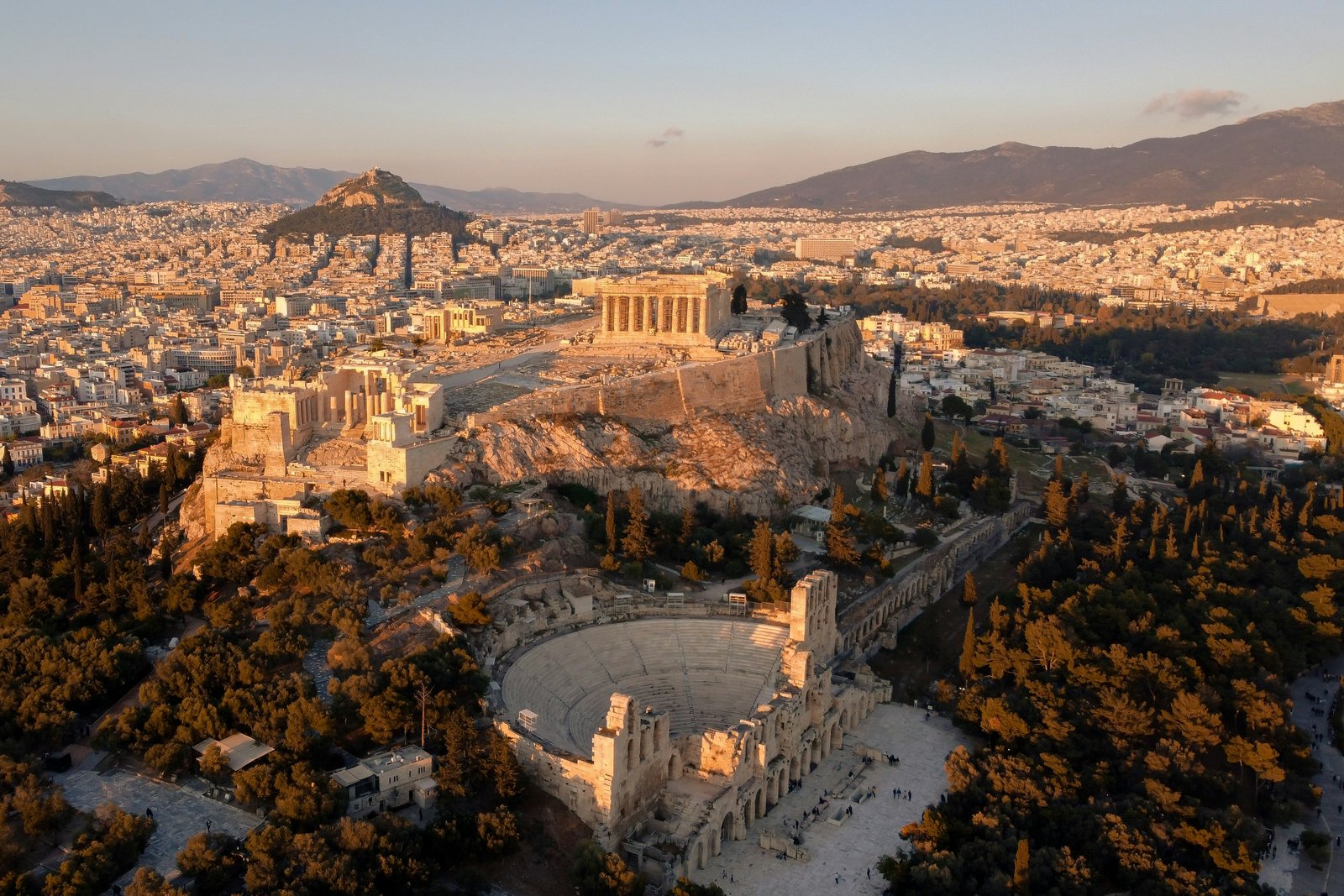
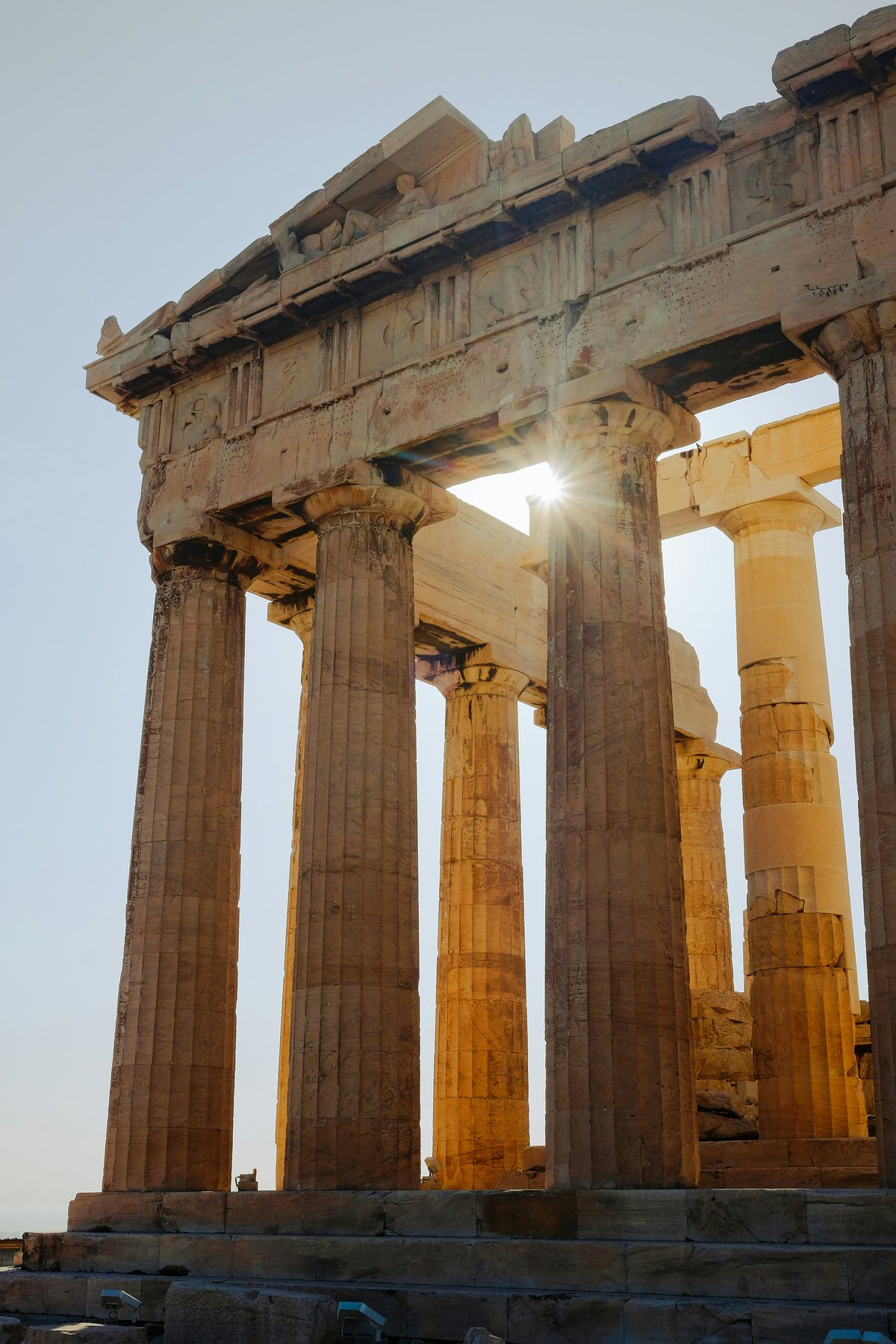
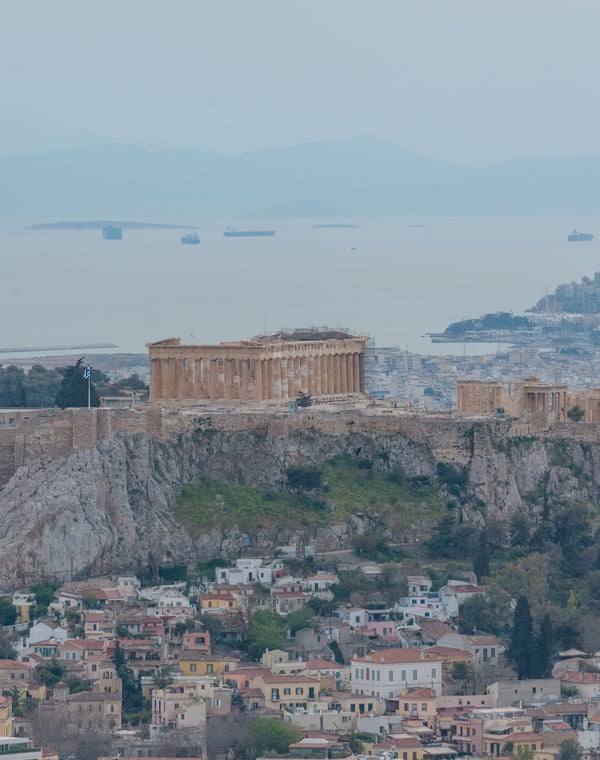
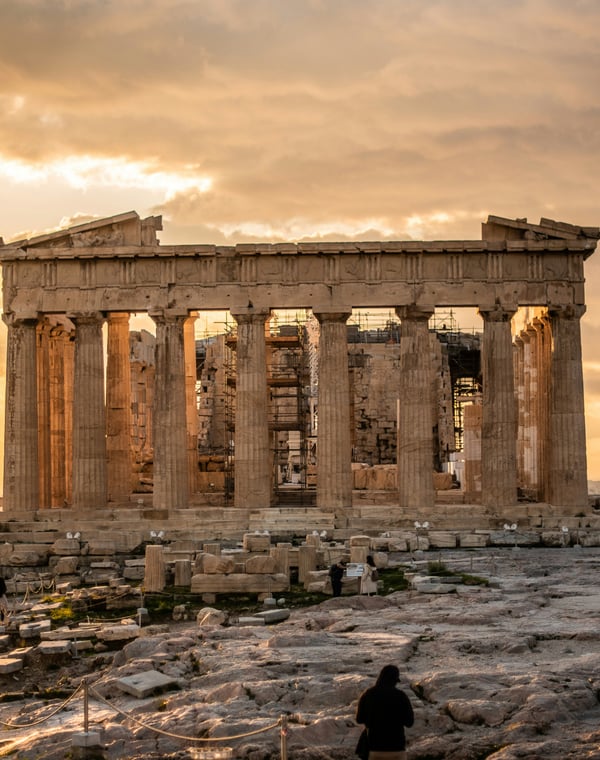
The crown jewel: the Acropolis, the sacred citadel topped by the Parthenon, temple to Athena. Along with the Erechtheion, the Propylaea gateway, and the Temple of Athena Nike, it's the defining sight of Athens and the ancient world. Go at opening or late afternoon to beat the heat and crowds. This is the anchor around which the other sites cluster.
The Acropolis Museum
At the foot of the hill, the modern Acropolis Museum displays the original sculptures and friezes in context, with a top-floor gallery aligned with the Parthenon itself and a glass floor over live excavations. Visit it alongside the hill — ideally after — to understand what you've seen. It's not strictly an "ancient site" but it's essential to the experience.
The Ancient Agora
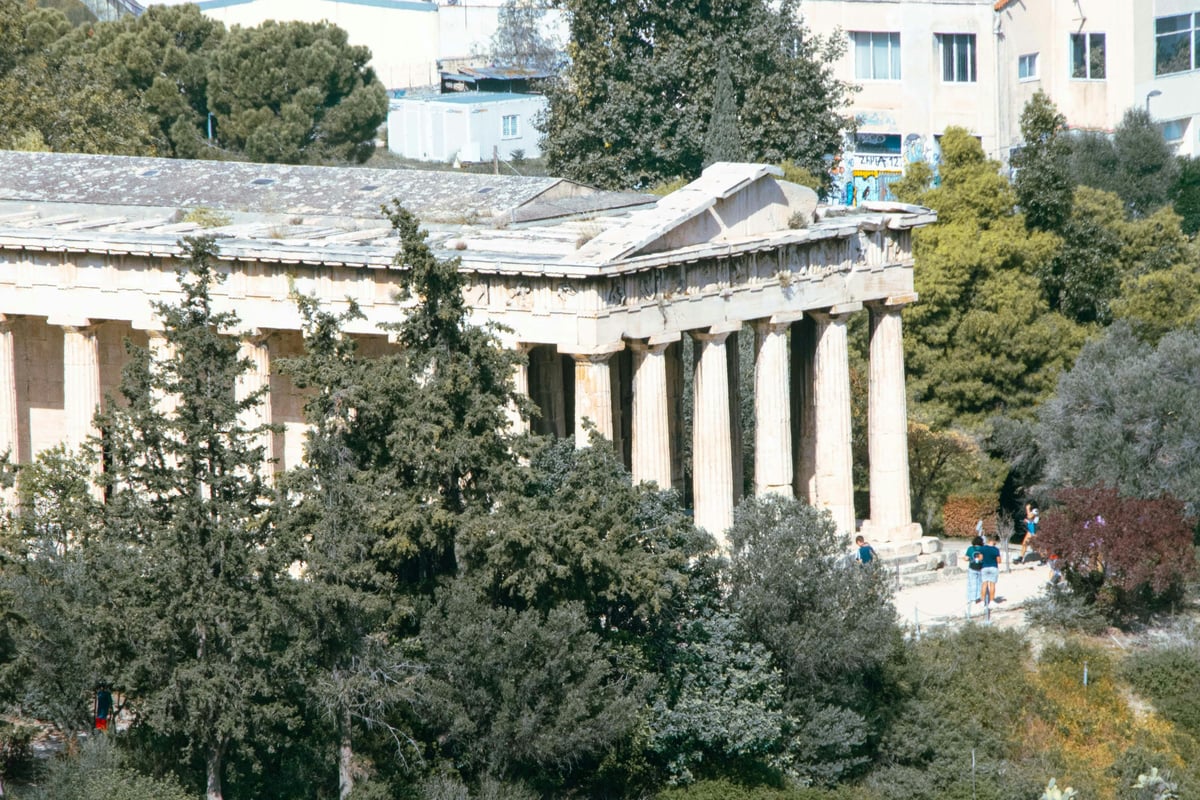
Below the Acropolis lies the Ancient Agora, the civic and social heart of classical Athens — the marketplace and meeting place where Socrates taught and democracy took shape. Its star is the Temple of Hephaestus, one of the best-preserved ancient Greek temples anywhere, even more complete than the Parthenon. The reconstructed Stoa of Attalos houses a museum. It's included in the combination ticket and far less crowded than the Acropolis.
The Roman Agora and Hadrian's Library
A short walk away, the Roman Agora marks the commercial center of Roman-era Athens, home to the elegant octagonal Tower of the Winds, an ancient timepiece and weather vane. Nearby, Hadrian's Library, built by the Roman emperor, adds another layer to the city's long history. Both are quick but rewarding stops on a combination ticket.
The Temple of Olympian Zeus and Hadrian's Arch
A bit south, the colossal columns of the Temple of Olympian Zeus (the Olympieion) once formed one of the largest temples in the ancient world — its surviving columns are staggering in scale. Beside it stands Hadrian's Arch, the monumental gateway marking the boundary between the ancient and Roman cities. Both are striking and easy to combine with the others.
The ancient theaters
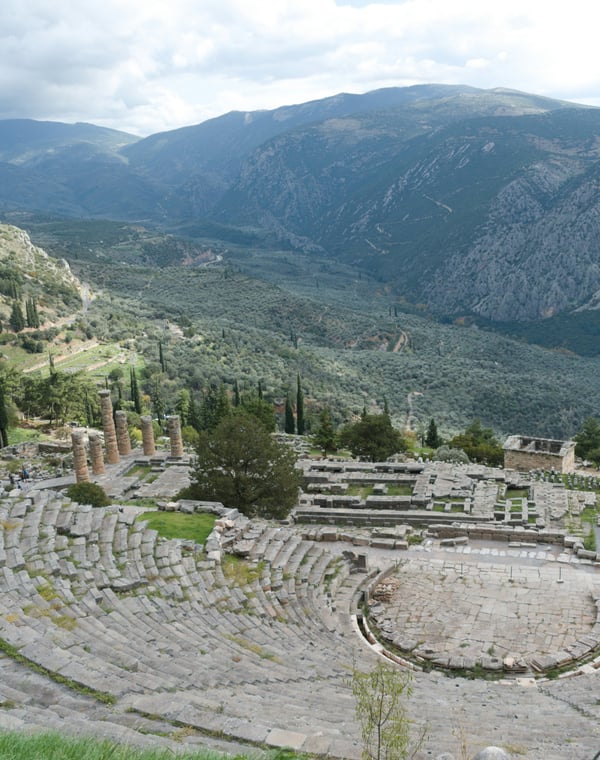
On the slopes of the Acropolis sit two important theaters. The Theatre of Dionysus is considered the birthplace of Greek drama, where the great tragedies premiered. The Roman-era Odeon of Herodes Atticus, beautifully preserved, still hosts performances today under the floodlit Acropolis — catching a summer show there is unforgettable.
The National Archaeological Museum
A short ride north of the center, this is the world's greatest collection of ancient Greek art and artifacts — Mycenaean gold, bronze statues recovered from the sea, and treasures spanning millennia. It's not a site you walk through like a ruin, but for understanding ancient Greece it's unmissable, and a highlight of any history-focused visit.
The combination ticket
Here's the practical key: a combination ticket bundles the Acropolis with the Ancient Agora, Roman Agora, Hadrian's Library, the Temple of Olympian Zeus, and more, for less than buying them separately and valid over several days. If you plan to see several sites, it's excellent value and lets you skip individual ticket lines. Buy it at a quieter site (not the busy Acropolis entrance) to save time, and check current pricing and what's included as you go.
Seeing them efficiently
Because the sites cluster in the walkable historic core, you can see most in a focused day or two: pair the Acropolis, Agora, and museum on one day, and the Roman Agora, Olympieion, and Hadrian's Arch on a walk through the center, with the National Archaeological Museum on its own. Go early to beat heat and crowds, wear good shoes for the marble, and use the combination ticket. Athens rewards history lovers like few cities on earth — this is where the classical world comes alive.
Bringing the sites to life
Athens's ancient sites can blur into "more old stones" without context, so a little preparation pays off enormously. Consider a guided tour or a good audio guide for at least the Acropolis and Agora — understanding that the Agora was where Socrates argued and democracy was debated, or that the Parthenon's columns subtly curve to correct optical illusions, transforms the experience. Visiting the Acropolis Museum and the National Archaeological Museum alongside the sites is the other key: the museums hold the original sculptures and treasures, so seeing the architecture in place and the artifacts in the museum completes the picture. Reading a little ancient history before you go, or even a good historical novel set in classical Athens, makes the ruins resonate far more. The sites reward curiosity — the more you understand about the city that invented democracy, philosophy, and drama, the more standing among its ruins feels like time travel rather than sightseeing.
FAQ
What are the main ancient sites in Athens?
The Acropolis and Parthenon, the Acropolis Museum, the Ancient Agora (with the Temple of Hephaestus), the Roman Agora, Hadrian's Library, the Temple of Olympian Zeus, the ancient theaters, and the National Archaeological Museum.
Is there a combination ticket for Athens ancient sites?
Yes — a combination ticket bundles the Acropolis with the Agora, Roman Agora, Hadrian's Library, the Temple of Olympian Zeus, and more for less than buying separately, valid over several days. Buy it at a quieter site to skip the Acropolis line.
How many days do I need for Athens's ancient sites?
One focused day covers the Acropolis, Agora, and Acropolis Museum; a second can add the Roman Agora, Olympieion, Hadrian's Arch, and the National Archaeological Museum. The core sites are walkable and close together.
Which is the best-preserved temple in Athens?
The Temple of Hephaestus in the Ancient Agora — remarkably complete, even more so than the Parthenon, and far less crowded. It's a highlight that many visitors overlook.
Is the National Archaeological Museum worth visiting?
Very much, for history lovers — it holds the world's greatest collection of ancient Greek art, from Mycenaean gold to bronze statues. It's a short ride north of the center and a highlight of a history-focused trip.
Keep planning
Not sure how the islands fit together?
Pick your trip length and we'll route a real island-by-island plan — ferries included.