Greek coffee and café culture explained: the freddo, traditional Greek coffee, the kafeneio vs the modern café, and why a coffee buys you the table for hours.
In Greece, coffee isn't a quick caffeine fix — it's a ritual, a social institution, and an excuse to sit for hours watching the world go by. Greeks drink more coffee per capita than almost anyone, and understanding café culture is a small key to understanding the country's relaxed, social rhythm. For first-timers, knowing what to order (and how to linger) makes the daily coffee one of the simple joys of a Greek trip. This guide covers Greek coffee and café culture.
This article contains affiliate links. If you book through them we earn a small commission at no extra cost to you.
Coffee as a social ritual
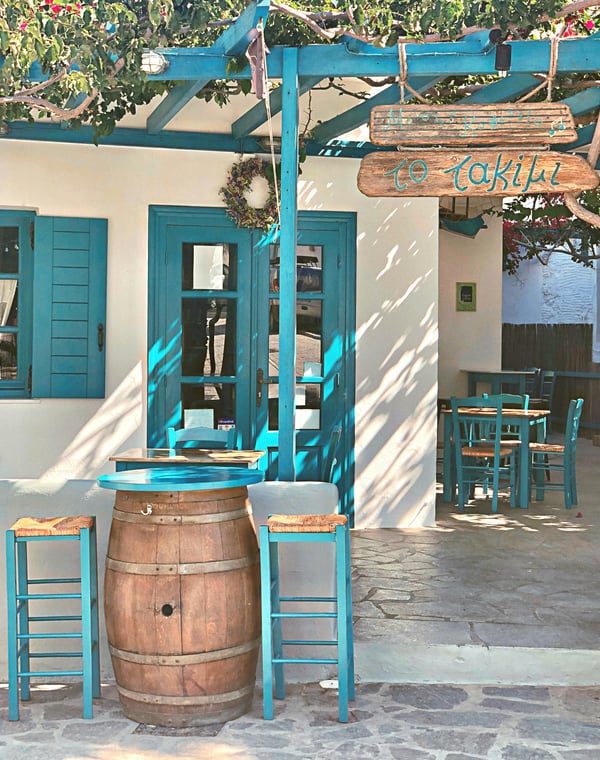
The most important thing to understand isn't a drink — it's the pace. In Greece, going for coffee means sitting for an hour or two, often longer, talking with friends or simply people-watching. Nobody hurries you, and ordering one coffee buys you the table for as long as you like. The café (or kafeneio in its traditional form) is where Greek social life happens. Embrace the slowness; it's the whole point.
The iced coffees that rule summer
In the warm months, two iced coffees dominate. The freddo espresso (iced espresso, often with a layer of foam) and the freddo cappuccino (the same topped with frothy cold milk foam, or afrogala) are everywhere, sipped slowly through a straw over a long afternoon. They're strong, refreshing, and the default order for most Greeks in summer. The older frappé — a frothy iced instant coffee, shaken until foamy — is the retro classic that put Greek iced coffee on the map.
Traditional Greek coffee
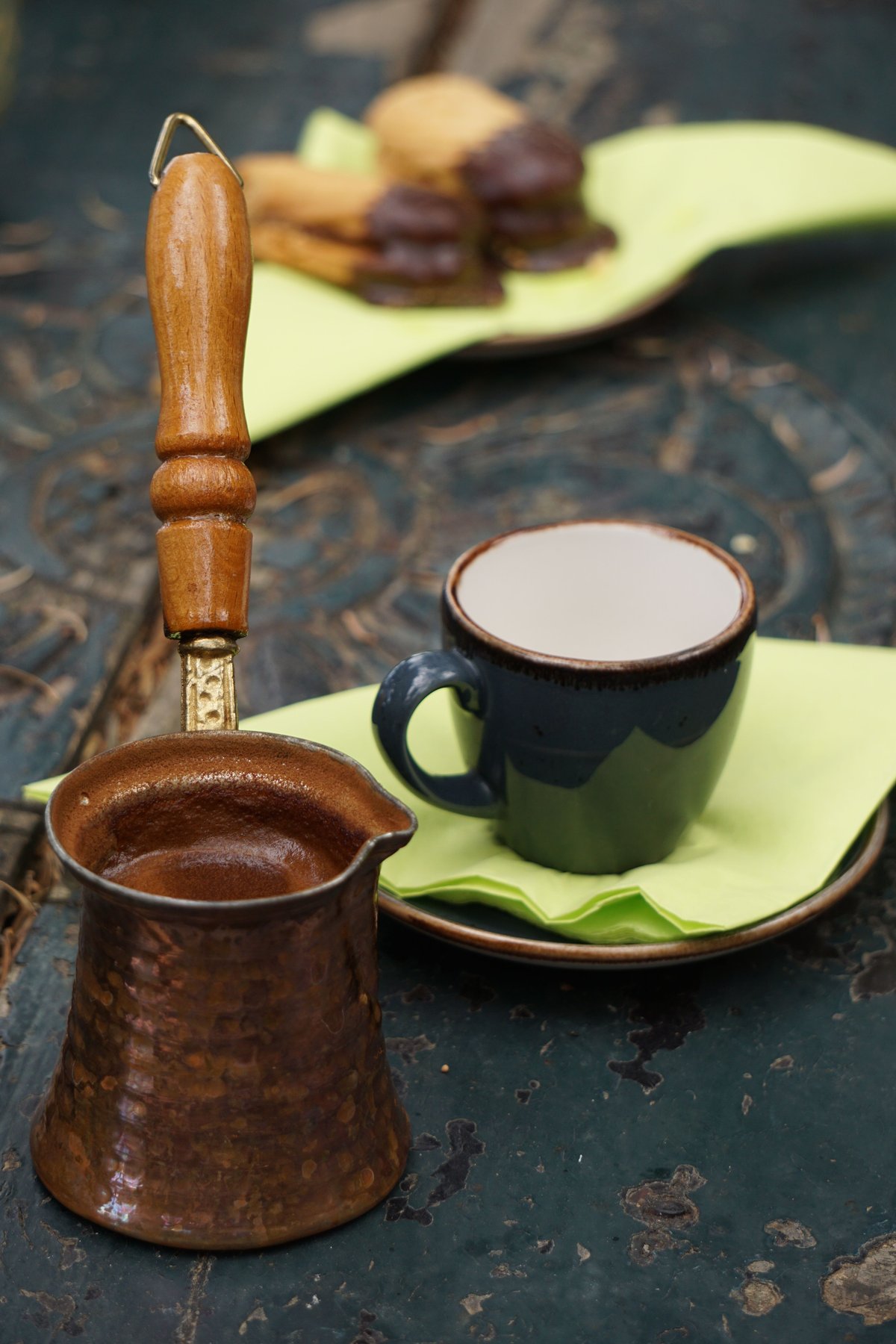
Greek coffee (ellinikós kafés) is the traditional brew: finely ground coffee simmered with water (and sugar, if you want it) in a small pot called a briki, served unfiltered in a small cup. Order it sketos (no sugar), metrios (medium), or glykos (sweet). Sip it slowly and don't drink the grounds at the bottom. It's traditionally served with a glass of water and meant to be savored over conversation — the original slow coffee.
What else you'll find
Modern Greek cafés serve the full international range too — espresso, cappuccino, flat whites, and so on — so you'll have no trouble getting a familiar coffee. But trying the local styles is part of the fun. If someone offers you a coffee in their home or shop, accepting is a small act of the country's famous hospitality. And note that a café (kafeteria) often serves alcohol and snacks too, blurring into a bar as the day goes on.
How to order and what it costs
Ordering is easy: just name your drink (a "freddo espresso" or "freddo cappuccino" will serve you well in summer), and specify sugar for Greek coffee. Coffees cost more in touristy squares and less in local neighborhoods, but either way you're paying for the seat and the time as much as the drink — which is why nobody minds you lingering. Prices vary by location and season, so don't be surprised by a range. Tipping is minimal — rounding up is plenty.
Café culture as a window into Greece
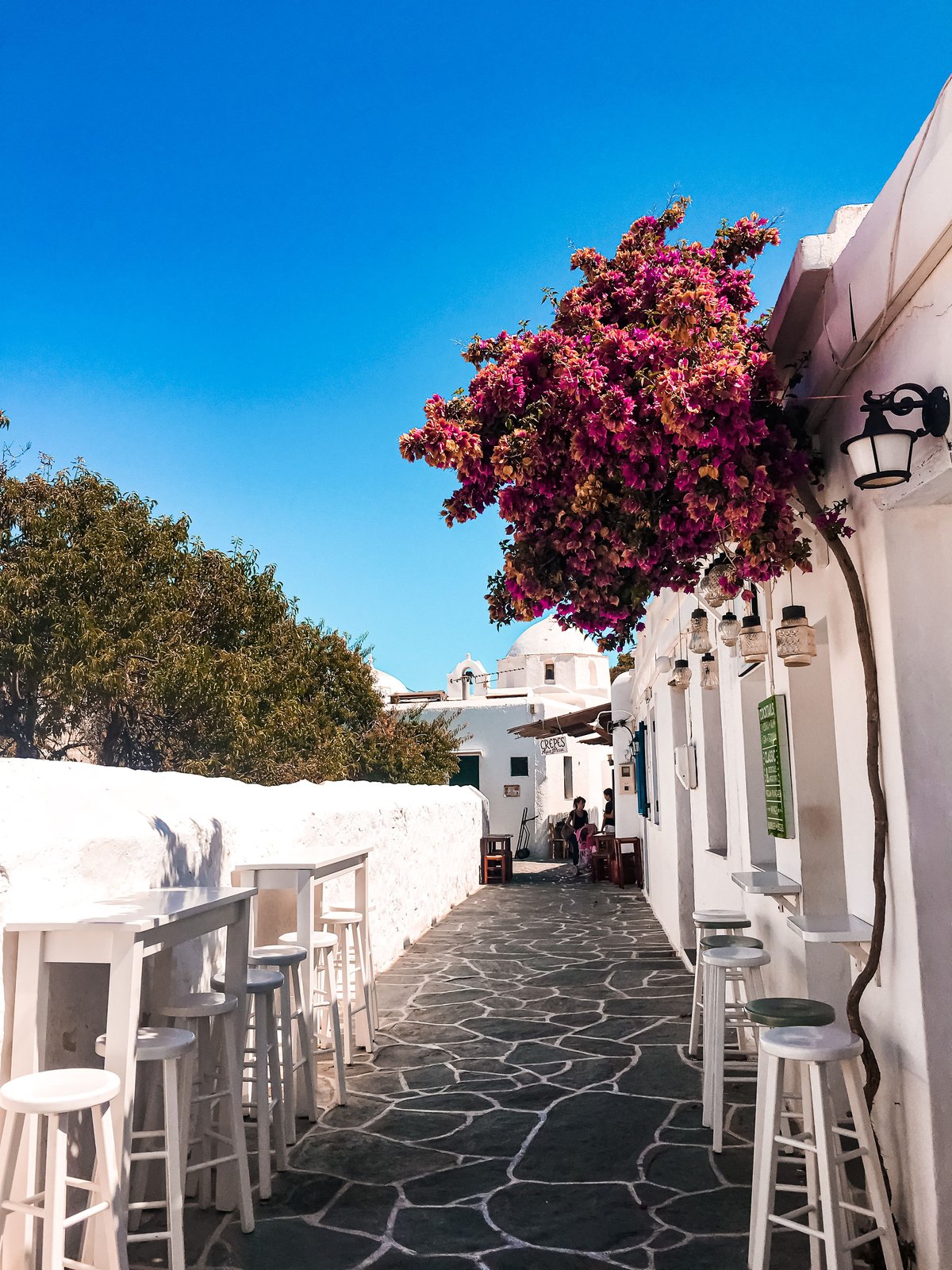
Spending time in cafés is one of the best ways to feel the rhythm of Greek life. The unhurried mornings, the long afternoon freddos, the evening crowds spilling onto the squares — it all reflects a culture that values time spent together over rushing. As a traveler, joining in is effortless and rewarding: pick a café on a square or waterfront, order a freddo or a Greek coffee, and let yourself slow down to Greek speed for an hour. It's free time travel to a more relaxed way of being.
The takeaway
Greek coffee culture is simple to enjoy: order a freddo in summer or a traditional Greek coffee any time, find a seat on a sunny square, and don't rush. You'll get a delicious drink and a front-row seat to the social heart of Greek daily life — one of the most pleasant, authentic, and affordable experiences a first-timer can have.
The traditional kafeneio vs the modern café
It's worth knowing the two faces of Greek coffee culture. The traditional kafeneio is the old-style coffee house — often plain, historically a male social hub, especially in villages — where older locals play backgammon, read the paper, and nurse a Greek coffee for hours. They're disappearing but still found in villages and older neighborhoods, and they offer a glimpse of an older Greece. The modern kafeteria, by contrast, is stylish and all-ages, serving freddos and international drinks (and often cocktails and snacks later in the day) to a young, mixed crowd — this is where most travelers will end up, and where the freddo culture thrives. Both share the same underlying ethos: the coffee is an excuse, and the real point is the time spent sitting, talking, and watching the square. Seeking out a traditional kafeneio at least once, especially in a village, is a quiet highlight that connects you to the culture's roots.
FAQ
What coffee should I order in Greece?
In summer, a freddo espresso or freddo cappuccino (iced, sipped slowly) is the local default. Any time, try traditional Greek coffee in a small cup. Modern cafés also serve familiar espresso drinks.
What is a freddo?
A freddo espresso is an iced espresso, often with foam; a freddo cappuccino adds a layer of cold frothed milk. They're the iced coffees that dominate Greek café culture in the warm months.
How do I drink traditional Greek coffee?
Sip it slowly from the small cup and don't drink the grounds at the bottom. Order it sketos (no sugar), metrios (medium), or glykos (sweet), and enjoy it with the glass of water it's served with.
Why do Greeks spend so long at cafés?
Coffee in Greece is a social ritual — going for coffee means sitting for an hour or more to talk and people-watch. One coffee buys you the table for as long as you like, and nobody rushes you.
Is it rude to linger at a Greek café?
Not at all — lingering is expected. You're paying for the seat and the time as much as the drink, which is exactly why café culture is so relaxed. Take your time.
Keep planning
Not sure how the islands fit together?
Pick your trip length and we'll route a real island-by-island plan — ferries included.