Where to Stay in Athens: Best Neighborhoods for First-Timers
Where to stay in Athens for first-timers: Plaka for charm, Monastiraki for nightlife, Koukaki for value, Kolonaki for calm — and why central beats a port hotel.
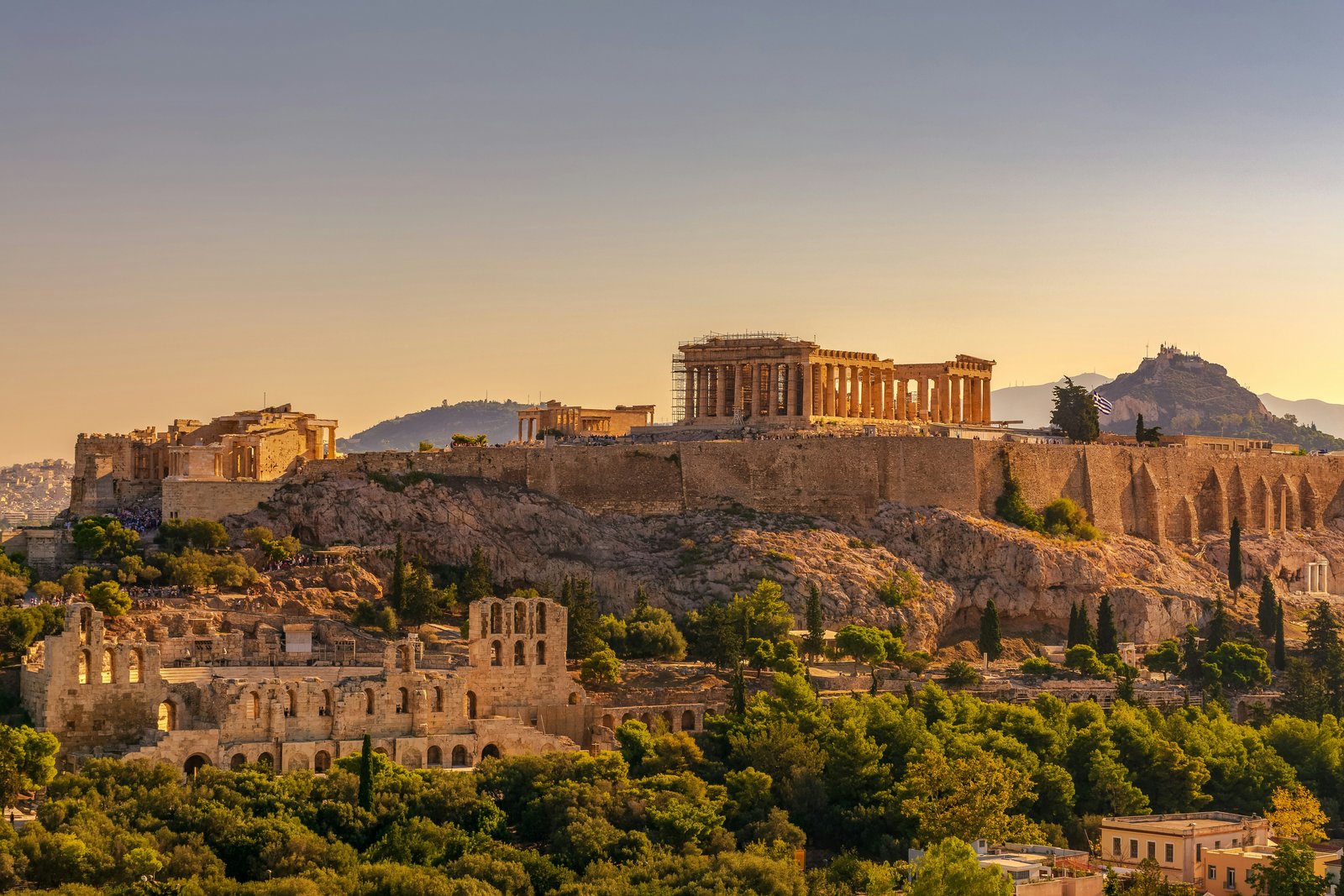
Athens rewards staying central. The ancient sites, the best food, and the liveliest streets all cluster in a walkable core under the Acropolis, and the Metro ties it together — so for a first-timer, picking the right neighborhood matters more than picking the fanciest hotel. This guide breaks down where to stay in Athens by what each area is good for, whether you want charm, nightlife, value, or a quick base before catching a ferry.
This article contains affiliate links. If you book through them we earn a small commission at no extra cost to you.
The quick answer
For a first trip, stay in Plaka — the old-town lanes directly under the Acropolis are charming, walkable, and close to everything you came to see. Want nightlife and food on your doorstep? Choose Monastiraki or Psyrri. Want a local feel and better value? Koukaki. Want upscale shopping and quieter streets? Kolonaki. Wherever you land, being near a Metro stop is worth more than almost any hotel amenity, because it connects you to the airport and the port at Piraeus.
Plaka — the first-timer's choice
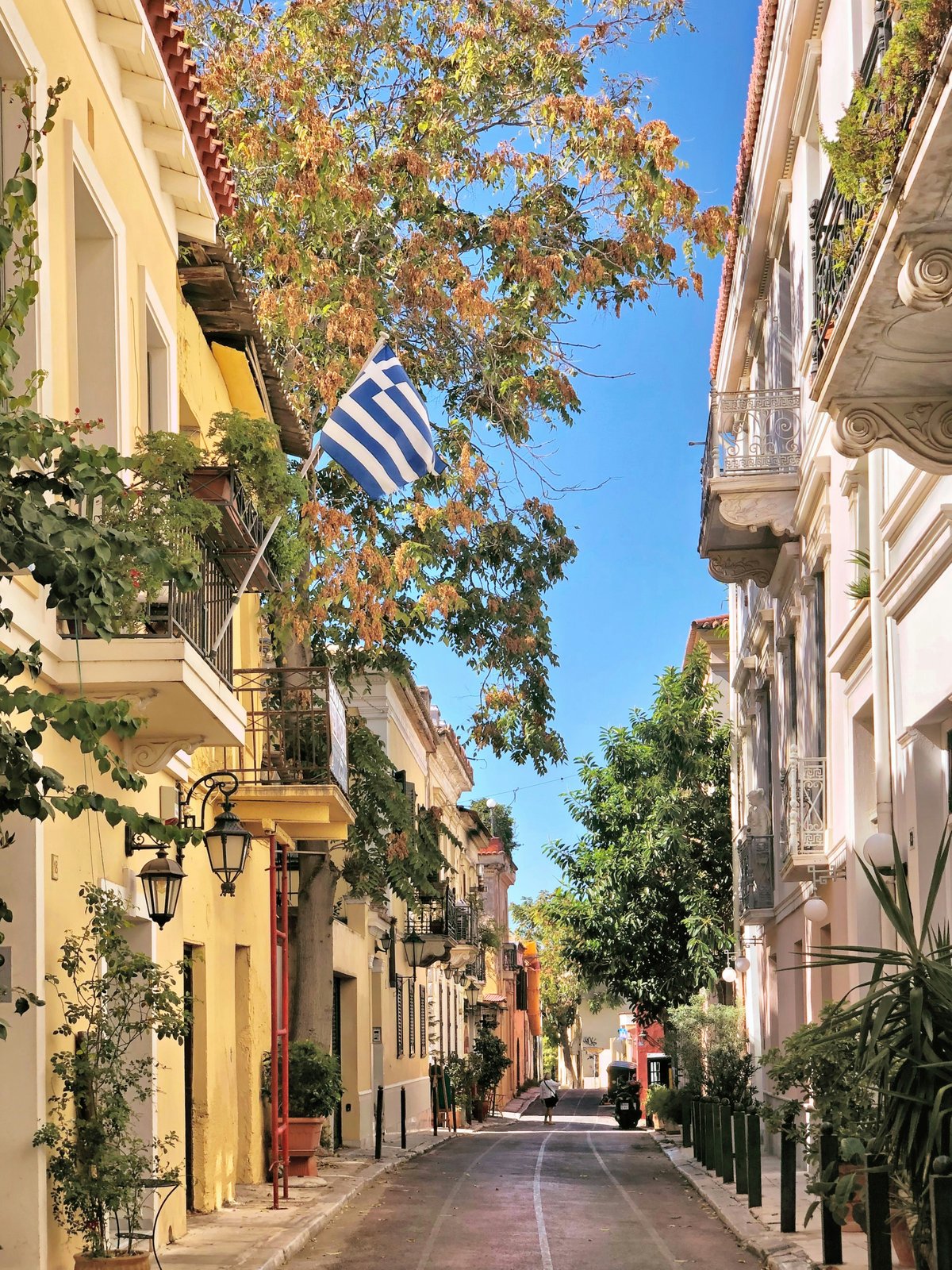
Plaka is the historic heart of Athens: neoclassical houses, bougainvillea-draped lanes, and the tiny island-like neighborhood of Anafiotika tucked against the Acropolis slope. You can walk to the Acropolis, the Agora, and the Acropolis Museum in minutes, and the streets are lined with tavernas and cafés.
Who it's for
First-timers who want charm and walkability and don't mind that the most touristy restaurants cluster here (walk a few streets back for better, cheaper food). It's the safest, most atmospheric base for a short Athens stay.
Monastiraki & Psyrri — food and nightlife
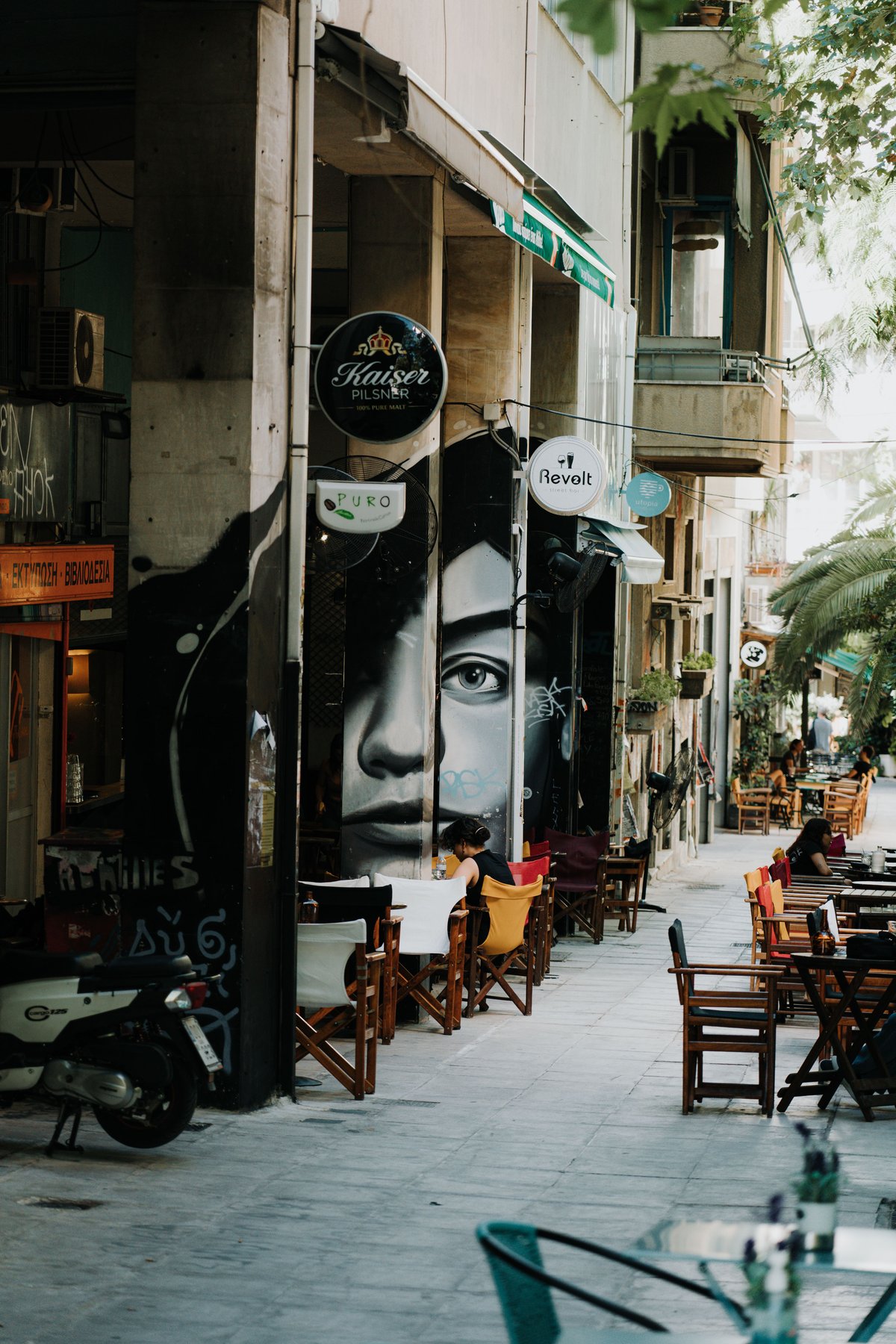
Just north and west of Plaka, Monastiraki buzzes around its flea market and souvlaki strip, with a Metro hub connecting you everywhere. Neighboring Psyrri has become the city's go-to for lively bars, mezze spots, and a younger evening scene.
Who it's for
Travelers who want to step out of the hotel into the action — great food, late nights, and central transit. Lighter sleepers should ask for a quieter room, as the nightlife runs late.
Koukaki — local feel, great value
South of the Acropolis, Koukaki is a residential neighborhood that's become a favorite for travelers who want a more authentic, less touristy Athens. It's a short walk to the Acropolis Museum and the pedestrianized Dionysiou Areopagitou promenade, with neighborhood cafés and noticeably better hotel value than Plaka.
Who it's for
Value-conscious travelers, return visitors, and anyone who'd rather feel like a local than stay in the middle of the postcard. Still very walkable to the sites.
Kolonaki — upscale and calm
Kolonaki, on the slopes of Lycabettus Hill, is Athens' chic district — designer boutiques, polished cafés, and quieter, leafier streets. It's a bit removed from the ancient core but still walkable or a short Metro ride away.
Who it's for
Travelers who want a refined, calmer base with good dining and shopping, and don't mind being a 15-minute walk from the Acropolis.
Near the port? Usually no need
First-timers sometimes think they should stay near Piraeus to catch an early ferry. Usually you don't need to — central Athens connects to Piraeus by Metro in around 20–30 minutes, so staying in the historic core and heading to the port on departure morning is simpler and far more pleasant than basing yourself by the docks. Only consider a port hotel if you have a very early sailing and value the short transfer over everything else.
Booking tips for Athens
Athens is more of a year-round city than the islands, but central hotels still fill up in peak summer and around major events, so book ahead for the best rooms. Confirm your hotel is an easy walk to a Metro stop — it pays off for both airport and port trips. And because room rates move with season and demand, compare current prices as you book rather than assuming a fixed figure. Most first-timers spend two to three nights in Athens, which is plenty to see the highlights before heading to the islands.
Getting from the airport to your hotel
Athens International (ATH) connects to the center three easy ways. The Metro (Line 3) runs straight from the airport into Syntagma and Monastiraki in about 40 minutes for a few euros — simplest if your hotel is near a central station. A taxi runs on a fixed daytime flat tariff to the city center (a higher flat rate at night), which is worth it with luggage or a group. The X95 express bus to Syntagma is the cheapest option and runs around the clock. If you've booked a central Plaka, Monastiraki, or Koukaki hotel, the Metro plus a short walk is usually the least stressful arrival after a long flight.
FAQ
Where should I stay in Athens for the first time?
Plaka is the classic first-timer choice — charming, walkable, and minutes from the Acropolis. Monastiraki and Psyrri are better for nightlife, Koukaki for value and a local feel, and Kolonaki for upscale calm.
How many nights do I need in Athens?
Two to three nights is enough to see the Acropolis, the museums, and the old town, with time for a day trip like Cape Sounion before heading to the islands.
Should I stay near the port for an early ferry?
Usually not. Central Athens is about 20–30 minutes from Piraeus by Metro, so staying in the historic core and traveling to the port on your departure morning is simpler and nicer than basing yourself by the docks.
Is Athens walkable?
The historic core is very walkable — Plaka, Monastiraki, the Acropolis, and the Agora are all close together. The Metro covers longer trips and reaches the airport and port cheaply.
Is it better to stay in Plaka or Koukaki?
Plaka for maximum charm and proximity to the sites; Koukaki for better value and a more local, residential feel that's still an easy walk to the Acropolis Museum.