Daily costs in Greece, by the levers that move them: island, season, and style. Budget, mid-range, and splurge days compared — without a misleading fixed number.
How much you'll spend per day in Greece depends enormously on your choices — the island you pick, the season you travel, and the style you travel in. Rather than a single misleading number, it helps to understand the daily cost ranges and the levers that move them, so you can build a budget that fits your trip. This guide breaks down daily costs in Greece for a first-timer: what shapes them, how budget, mid-range, and splurge days differ, and how to spend smartly.
This article contains affiliate links. If you book through them we earn a small commission at no extra cost to you.
Why a single daily number misleads
You'll see "Greece costs $X per day" figures online, but they're more misleading than helpful, because the same day can cost wildly different amounts depending on a few factors. Which island you're on (a day in Santorini costs far more than a day in Naxos), when you go (peak summer vs shoulder season), and how you travel (guesthouse and tavernas vs caldera suite and view restaurants) each swing the total dramatically. So instead of a fixed figure — which also drifts with exchange rates and inflation — think in ranges and levers, and price your own specific days.
The daily cost buckets
Your daily spending in Greece breaks into a few categories:
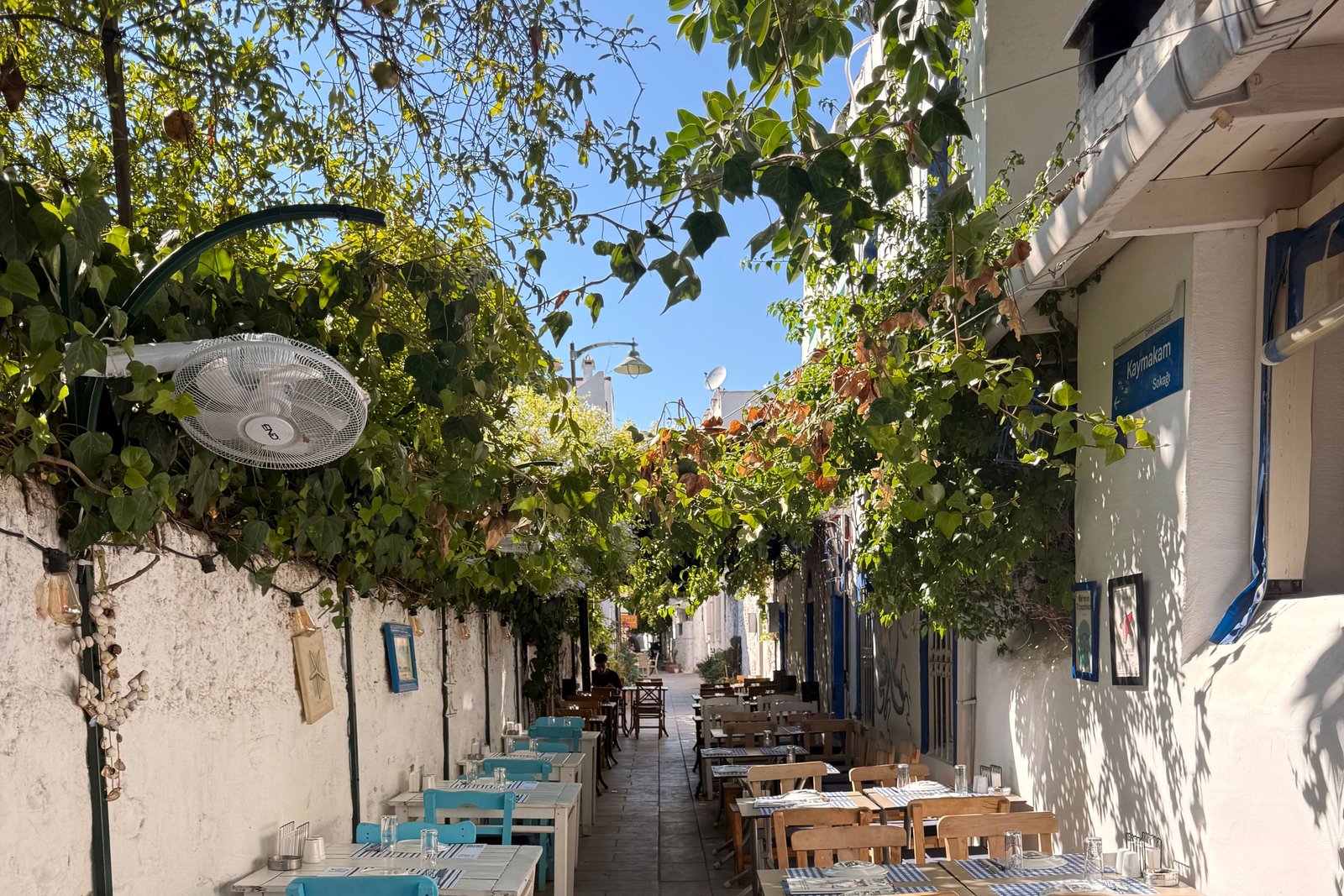
Accommodation is usually the biggest, and the most variable — from budget guesthouses and rooms to mid-range hotels to luxury suites, with island and season hugely affecting the rate. Food and drink is relatively affordable: cheap and delicious at tavernas and souvlaki spots, more at view restaurants. Local transport (buses, the odd taxi, ferries between islands) is modest day to day. Activities — site entry fees, tours, boat trips, wine tastings — add up depending on how much you do. And incidentals like coffees, snacks, and souvenirs fill in the rest.
Budget travel days
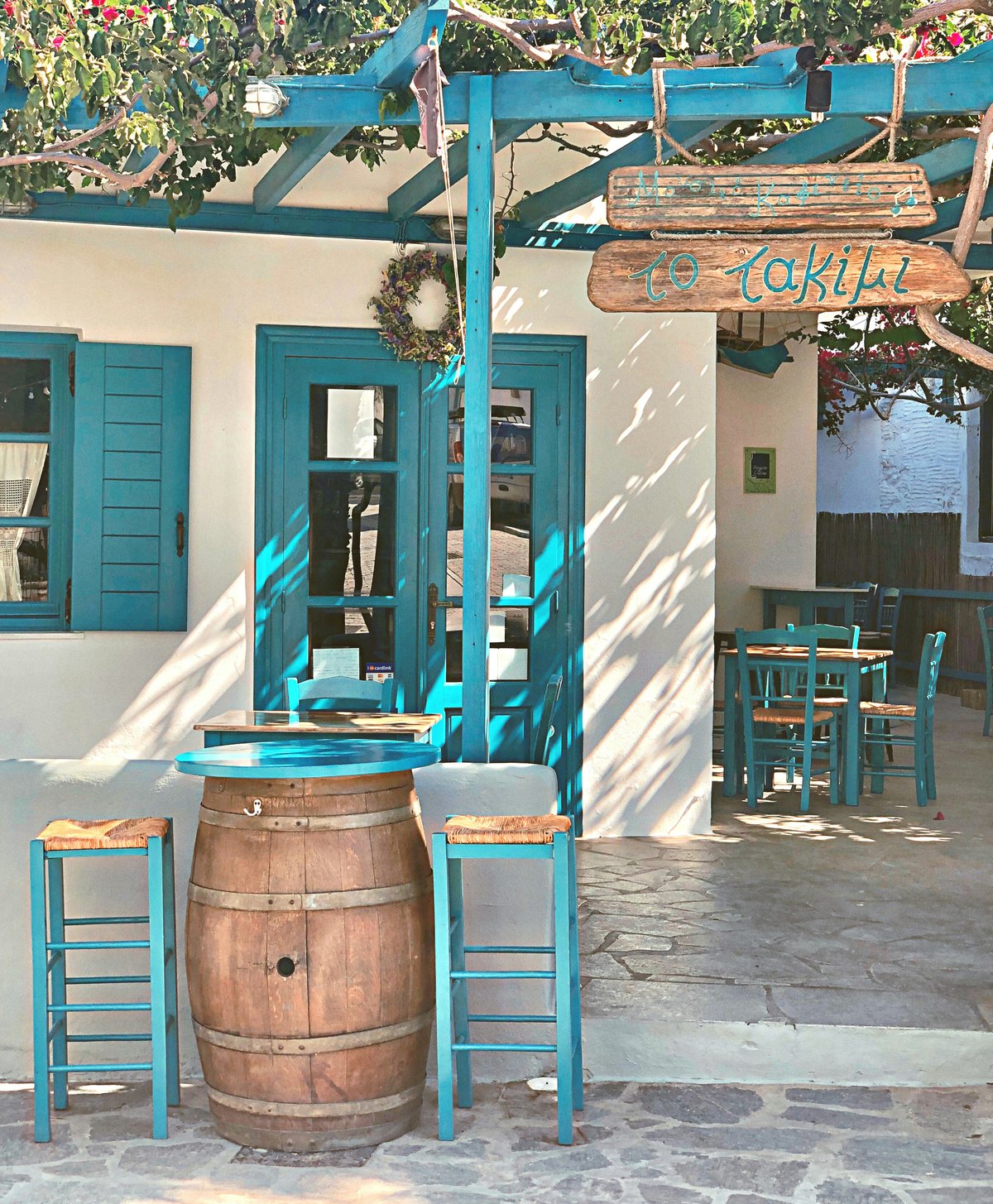
A budget day in Greece leans on the value levers: a guesthouse or simple room (cheaper on value islands like Naxos and Paros, and in shoulder season), taverna and street-food meals (a gyros is a few euros), public buses, free experiences (beaches, village wandering, sunsets), and selective paid activities. Done this way, especially outside peak summer and away from Santorini and Mykonos, Greece is one of the more affordable European destinations — your daily costs sit comfortably at the lower end.
Mid-range travel days
A mid-range day adds comfort: a nice hotel, a mix of casual and a few nicer meals, the occasional taxi or organized tour, and paid activities like a boat trip or wine tasting. This is how many first-timers travel, balancing value with comfort, and it lands in the middle of the cost range — higher on the famous islands, lower on the quieter ones.
Splurge travel days
A splurge day — a caldera-view suite in Santorini, fine dining, private transfers, a sunset catamaran cruise — sits at the top of the range, and on the famous islands in peak season it can be a multiple of a budget day. Many travelers mix in just one or two splurge days (a special hotel night, a standout experience) while keeping the rest moderate, getting the magic without making every day a splurge.
The levers that move your daily cost
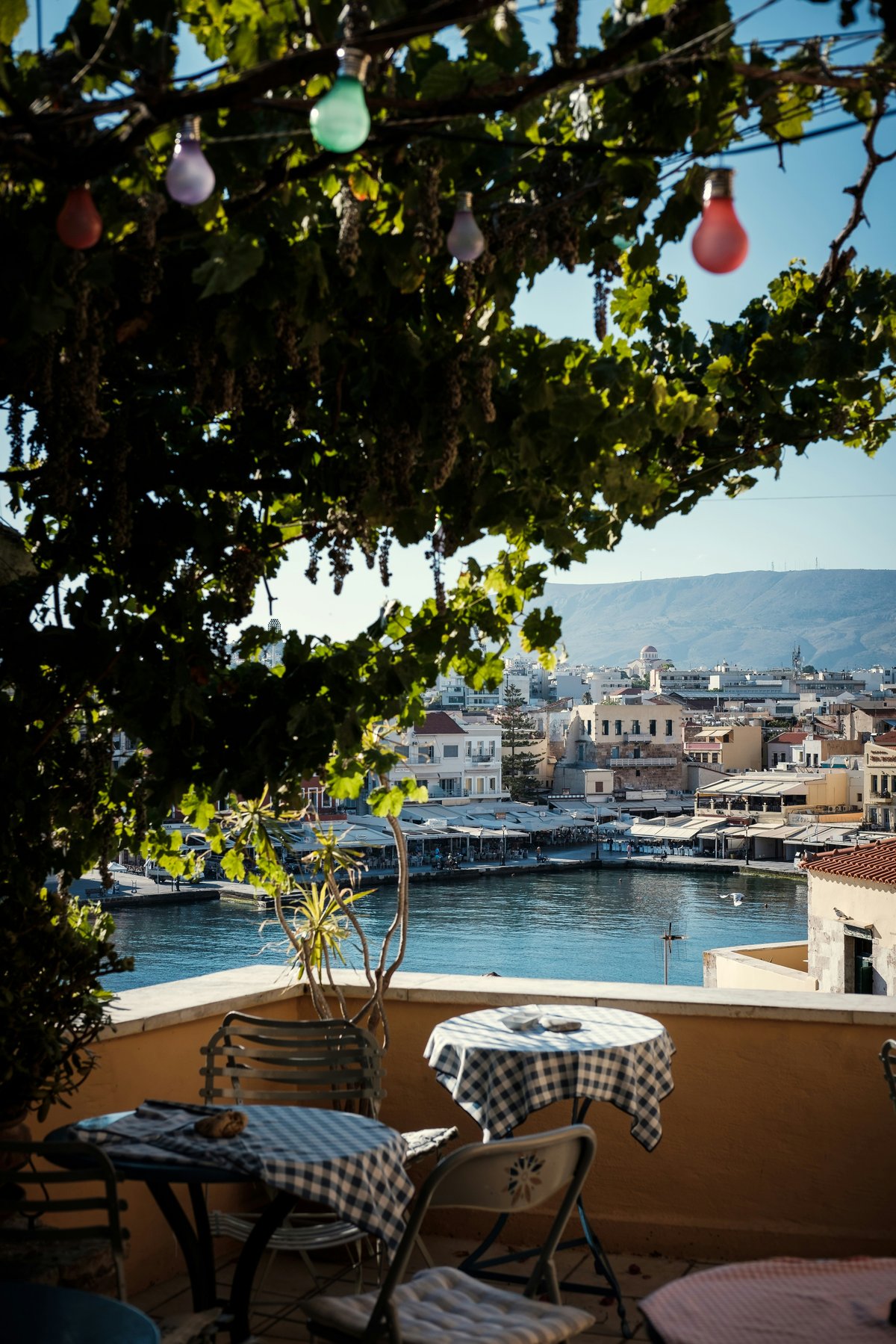
To control your daily spending, pull these levers. Island choice: Naxos and Paros cost far less per day than Santorini and Mykonos. Season: shoulder months (May, June, September, early October) drop accommodation and more. Accommodation style: guesthouses and rooms vs luxury hotels is the biggest single swing. Eating: tavernas a few streets back vs waterfront view restaurants. Activities: mixing free experiences with selective paid ones. Adjusting these lets you dial your daily budget up or down to fit.
Money-saving habits
Beyond the big levers, small habits help: use bank ATMs not Euronet and always pay in euros (not dollars) to dodge bad conversion; eat where locals eat; take buses and the conventional ferry's economy class; and remember tipping is modest (5–10%), not U.S.-style. These keep your daily costs down without sacrificing the experience.
The bottom line
There's no honest single "daily budget for Greece" — it ranges from very affordable on value islands in shoulder season to a serious splurge on the famous islands in peak summer. Decide your island mix and season first (they shape the total most), choose your accommodation and dining style, and price your specific days rather than trusting a fixed figure that's likely outdated. Built thoughtfully, a Greek trip can fit almost any daily budget.
How daily costs differ by island
Because island choice is the single biggest lever on your daily spending, it's worth seeing how they stack up. Santorini is the priciest — caldera-view rooms and view restaurants carry a steep premium, so a day here, especially in peak season, sits at the top of the range. Mykonos is similarly expensive, with its beach clubs and nightlife adding up fast. Crete offers better value given how much there is to do, with a wide range of options across the big island. Naxos and Paros are the value champions — beautiful, with great food and beaches, at noticeably lower daily costs for accommodation and dining. Athens sits in the middle, with options for every budget. The practical takeaway: if controlling your daily spend matters, weight your trip toward the value islands and keep the expensive ones to shorter stays. Many first-timers do exactly this — a couple of pricey days on Santorini for the icon, balanced by cheaper, longer stretches on Naxos or Paros — which keeps the overall daily average reasonable while still delivering the famous-island experience.
FAQ
How much does a day in Greece cost?
It varies enormously — a day on Naxos in shoulder season costs far less than a day in Santorini in peak summer. Rather than a single figure (which also drifts with exchange rates), think in ranges and price your specific days based on island, season, and travel style.
What's the biggest daily expense in Greece?
Accommodation, usually — and it's the most variable, swinging widely by island, season, and whether you choose a guesthouse or a luxury suite. Food and local transport are relatively affordable day to day.
How can I lower my daily costs in Greece?
Choose value islands like Naxos and Paros, travel in shoulder season, stay in guesthouses, eat at local tavernas, use buses and economy ferry class, and mix free experiences with selective paid ones.
Is Greece cheap or expensive day to day?
Both, depending on choices — it can be one of the more affordable European destinations on value islands in shoulder season, or a serious splurge on Santorini and Mykonos in peak summer. Your island and season choices decide where it lands.
Should I budget a fixed amount per day?
Better to budget by category and choices than a fixed daily figure, which quickly goes out of date with prices and exchange rates. Decide your island mix, season, and style, then price your actual days as you book.