Money in Greece: Euros, Cards, and Tipping for Americans
Money in Greece for Americans: use bank ATMs not Euronet, always pay in euros not dollars, bring a no-fee card, and enjoy the modest 5–10% tipping culture.
Handling money abroad smartly can save you a surprising amount, and Greece has a few specific traps and tips American travelers should know — from which ATMs to avoid to why you should always pay in euros. The good news is that Greece is card-friendly and easy to navigate once you know the ropes. This guide covers money in Greece for Americans: currency, cards, cash, ATMs, tipping, and the simple habits that keep more dollars in your pocket.
This article contains affiliate links. If you book through them we earn a small commission at no extra cost to you.
The currency: euros
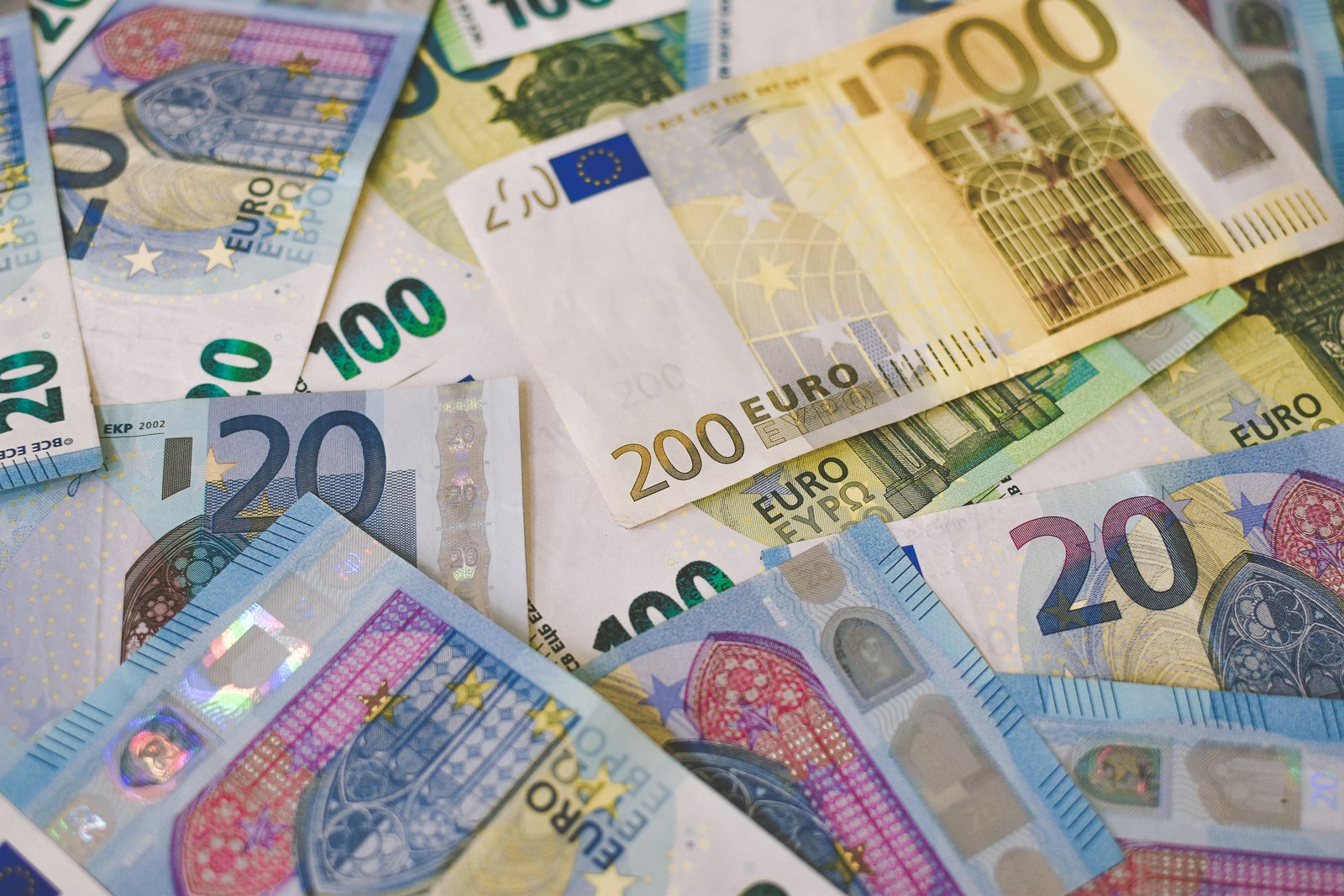
Greece uses the euro (€). You'll see prices in euros everywhere, and since exchange rates between the dollar and euro move daily, it's worth glancing at the current rate before your trip to gauge costs — but don't memorize a fixed conversion, as it shifts. There's no need to buy euros at poor rates back home; you'll get better value withdrawing from ATMs in Greece (see below).
Cards are widely accepted
Greece is increasingly card-friendly. Credit and debit cards (especially Visa and Mastercard) are accepted at most hotels, restaurants, shops, and even many small tavernas and island businesses. Contactless and mobile payments are common in cities and tourist areas. American Express is less widely accepted than Visa/Mastercard, so don't rely on it alone. Bring a card with no foreign transaction fees if you can — many U.S. travel cards waive these, saving you a percentage on every purchase.
The ATM trap: avoid Euronet
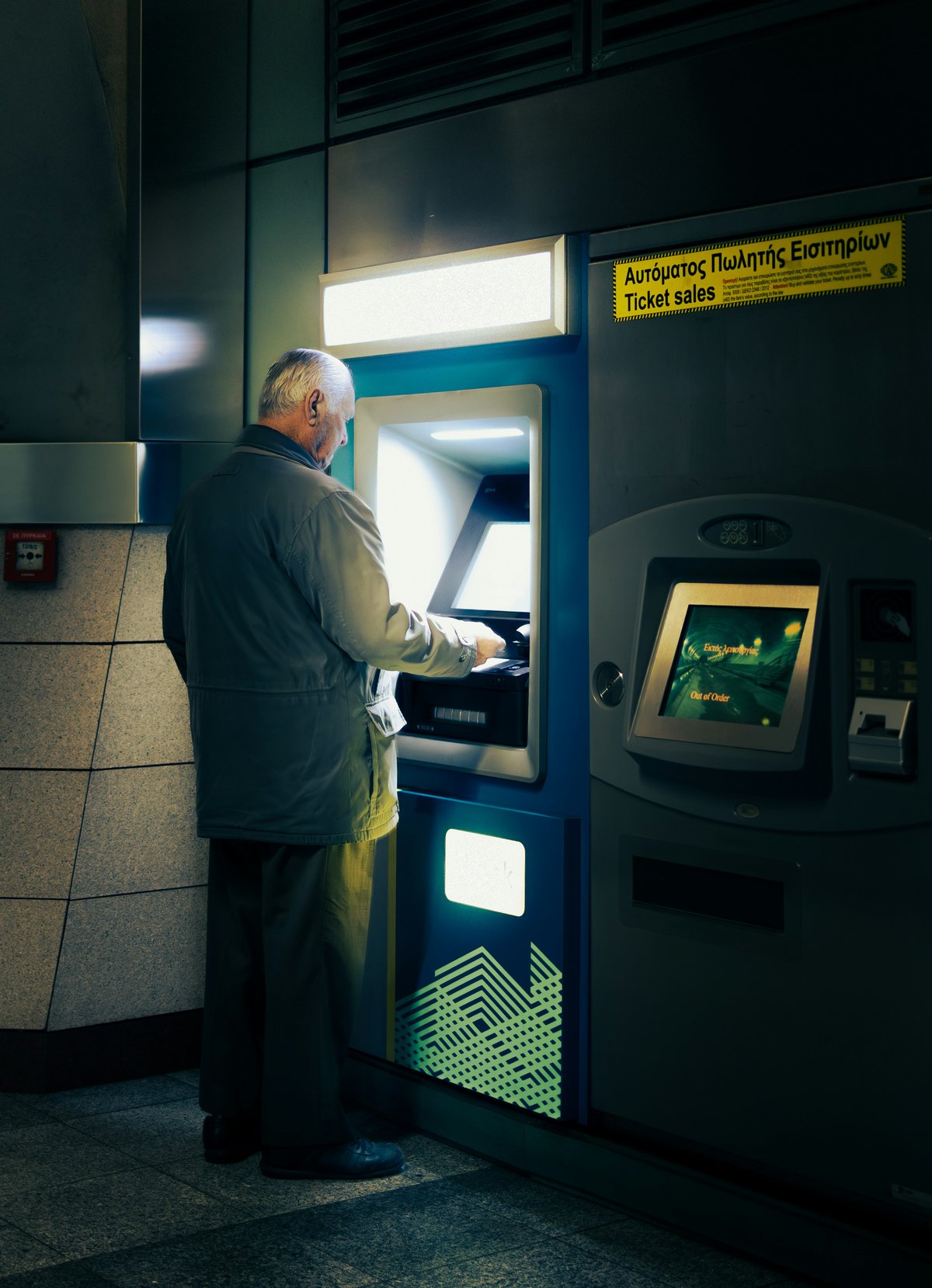
Here's a money-saver many Americans don't know: in tourist areas you'll see lots of brightly colored Euronet ATMs. These standalone machines are notorious for poor exchange rates and high fees. Instead, use ATMs attached to actual Greek banks (like Alpha Bank, Piraeus Bank, National Bank of Greece, Eurobank), which generally offer better rates and clearer fees. A little walk to a bank ATM can save you real money over a trip.
Always choose euros, not dollars
This is the single most important money tip in Greece. When you use an ATM or pay by card, you'll often be asked whether to be charged in euros or U.S. dollars. Always choose euros. Choosing dollars triggers "dynamic currency conversion," where the machine or terminal applies its own bad exchange rate plus a markup — costing you more. Paying in the local currency (euros) lets your own bank do the conversion at a fairer rate. This applies to ATMs and card terminals alike; decline the "convert for me" offer every time.
How much cash to carry
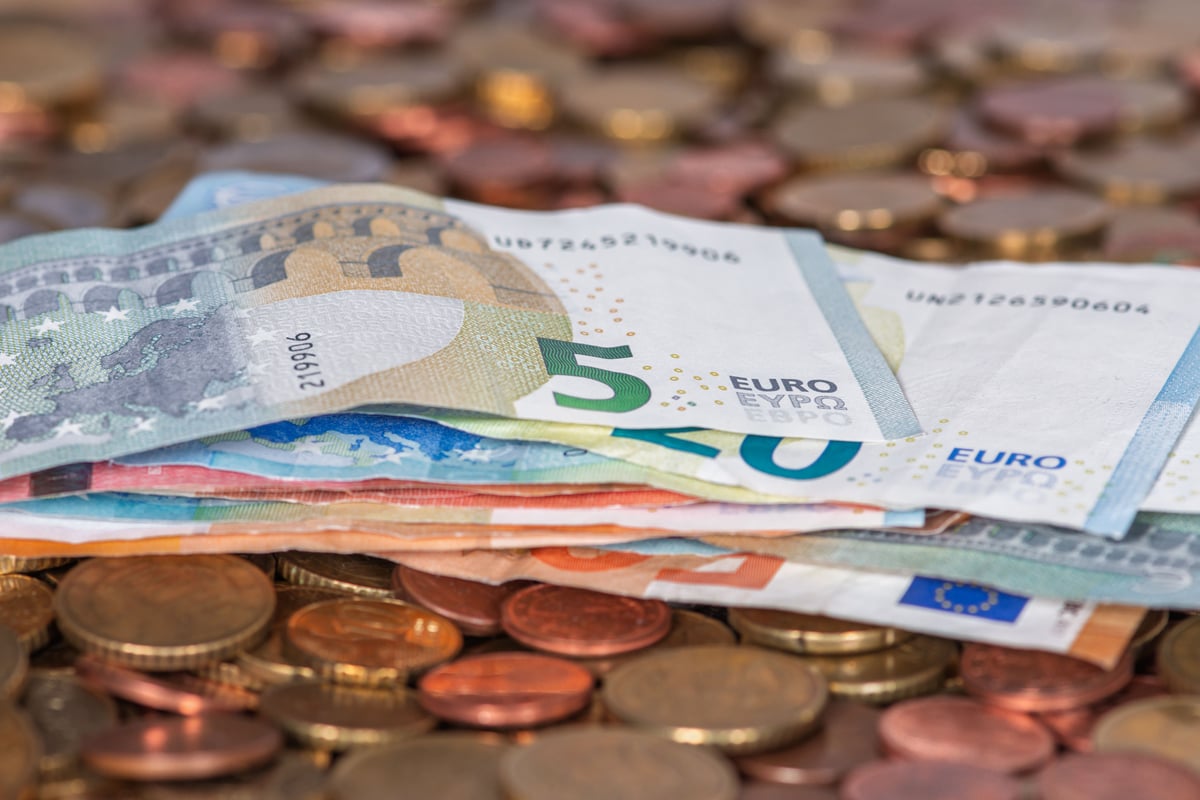
Because cards are so widely accepted, you don't need much cash in Greece. It's useful to carry some euros for small purchases, tips, village tavernas, markets, kiosks, and the odd cash-only spot, especially on smaller islands and in rural areas. A modest amount covers you; withdraw more from bank ATMs as needed rather than carrying large sums. Keep cash secure, as petty pickpocketing can happen in crowded tourist spots.
Tipping in Greece
Tipping customs are a pleasant surprise for Americans: they're modest and not obligatory, with no U.S.-style 18–20% expectation. Service is generally included in prices. At restaurants and tavernas, rounding up or leaving around 5–10% for good service is customary and appreciated — a few euros on a typical meal. For taxis, round up; for hotel staff or tour guides, a small tip for good service is kind but not required. Leave tips in cash, even when paying the bill by card. This modest tipping culture quietly saves American travelers money compared to home.
Staying connected to your money
A few practical habits: notify your bank of your travel dates so they don't flag foreign transactions, carry more than one card (kept separately) in case one is lost or not accepted, and know your PIN, as chip-and-PIN is standard. Consider a travel-friendly card with no foreign transaction fees and good ATM fee policies. And keep an eye on the current exchange rate around your trip so you have a rough sense of what you're spending in dollars — without freezing a fixed figure, since it moves.
The bottom line
Money in Greece is easy to manage with a few smart habits: use bank ATMs (not Euronet), always pay in euros not dollars, bring a no-foreign-fee card plus a little cash for small spots, and enjoy the modest tipping culture. Follow these and you'll avoid the common fee traps that cost less-informed travelers, and keep more of your money for the things that matter — the meals, the experiences, and the memories.
Before you go: a quick money checklist
A little preparation at home makes managing money in Greece effortless. Tell your bank and card issuers your travel dates so legitimate foreign transactions aren't blocked as fraud. Check your cards' foreign transaction fees and bring at least one that waives them — over a trip, the 1–3% these save adds up. Confirm your debit card works internationally and know its ATM withdrawal limits and fees, since you'll use it at Greek bank ATMs. Bring a backup card stored separately from your main one, in case of loss or a machine that won't accept the first. Set up any mobile wallet (Apple Pay / Google Pay) you use, as contactless is common in cities. And it's worth having a small amount of euros before you arrive — not at airport-exchange rates for your whole trip, just enough for the first taxi, coffee, or kiosk before you reach a bank ATM. Sorting these out at home means that once you land, your money just works, and you can focus on the trip rather than fumbling at ATMs or discovering a blocked card at an inconvenient moment.
FAQ
What currency is used in Greece?
The euro (€). Exchange rates with the dollar move daily, so check the current rate before your trip, but there's no need to buy euros at home — withdrawing from Greek bank ATMs usually gives better value.
Should I use cash or card in Greece?
Cards (especially Visa and Mastercard) are widely accepted, so you don't need much cash. Carry some euros for small purchases, tips, village tavernas, and cash-only spots, especially on smaller islands.
Why should I avoid Euronet ATMs in Greece?
The brightly colored standalone Euronet ATMs in tourist areas are known for poor exchange rates and high fees. Use ATMs attached to actual Greek banks instead for better rates and clearer fees.
Should I pay in euros or dollars in Greece?
Always euros. Choosing dollars triggers dynamic currency conversion with a bad rate and markup. Paying in euros lets your own bank convert at a fairer rate — decline the "convert for me" offer at ATMs and card terminals every time.
How much should I tip in Greece?
Modestly — there's no U.S.-style 18–20% expectation. Rounding up or leaving around 5–10% in cash for good service at restaurants is customary, and a small tip for taxis or guides is kind but not required.