Greece with kids, planned: the easy family islands (hello, Naxos), the ones to think twice about, how to pace the ferries, and the practical tips that keep everyone happy.
Greece is one of the easier European trips to do with kids: the food is simple and crowd-pleasing, the beaches are warm and shallow, Greeks genuinely welcome children, and the ancient sites turn history into something a kid can stand inside. The trick for a first family trip is choosing the right islands and pacing the ferries so you're not dragging tired children across the Aegean. This guide covers how to plan a Greece trip that works for the whole family.
This article contains affiliate links. If you book through them we earn a small commission at no extra cost to you.
Is Greece good for kids?
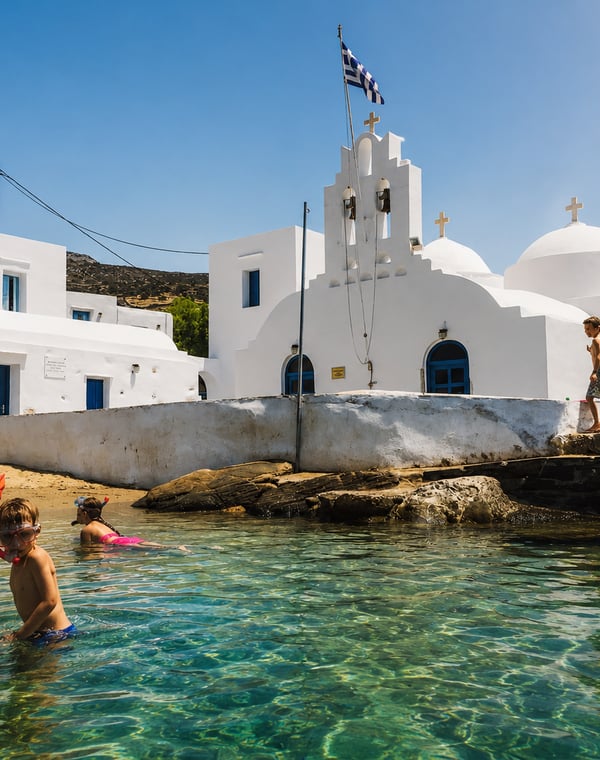
Very. Greek culture is warm toward children — restaurants welcome them, late dinners are normal and family-oriented, and locals are quick to make a fuss over little ones. Practically, the food (grilled meats, fries, bread, fruit, mild flavors) suits picky eaters, beaches are calm and shallow on the right islands, and there's enough living history to make the trip genuinely educational without feeling like a lecture.
The best islands for families
Naxos — the easy winner
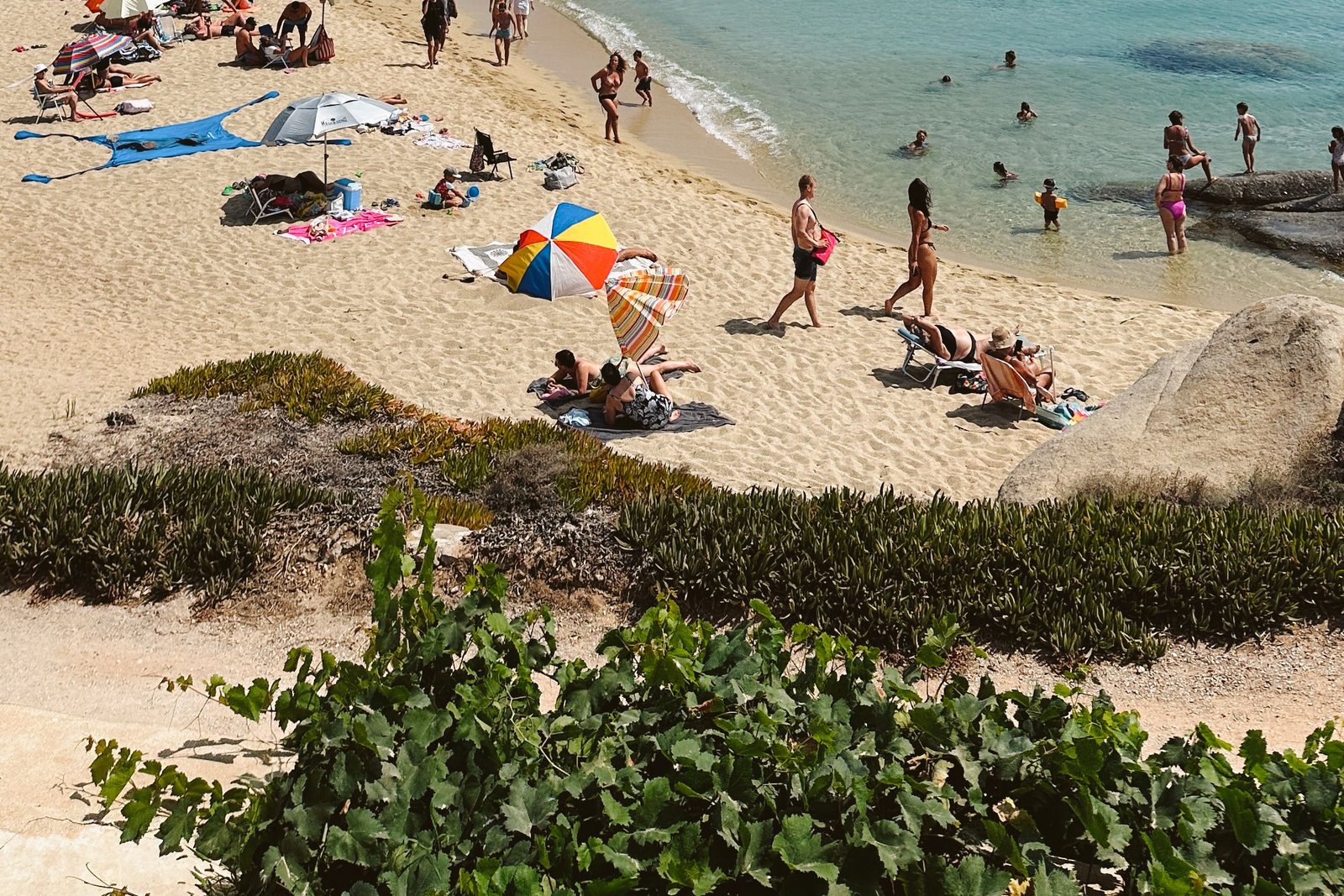
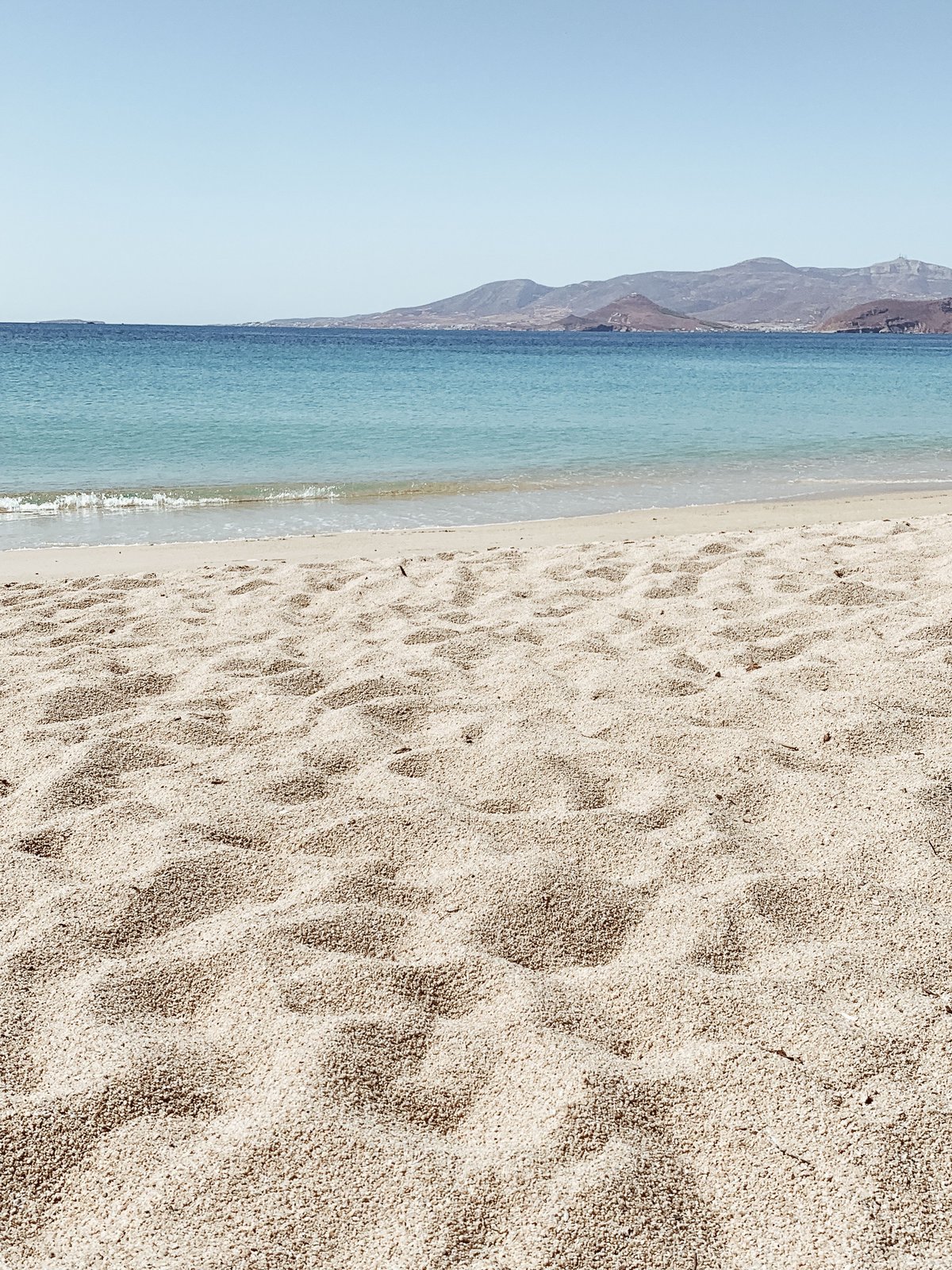
Naxos is the standout family island: long, shallow, sandy beaches like Agios Prokopios and Plaka that are perfect for young swimmers, a walkable main town, lower prices than the famous islands, and enough variety (villages, ruins, a castle) to fill several days without rushing.
Crete — for a one-island trip
If you'd rather base in one place and not move, Crete is big enough to be a whole trip: family beaches, the Minoan palace at Knossos to spark imaginations, and resort areas with kid-friendly amenities. A rental car makes it easy.
Paros — relaxed and connected
Paros blends pretty towns with calm beaches and easy ferry links, making it a good lower-key alternative to its busier neighbors.
Islands to think twice about
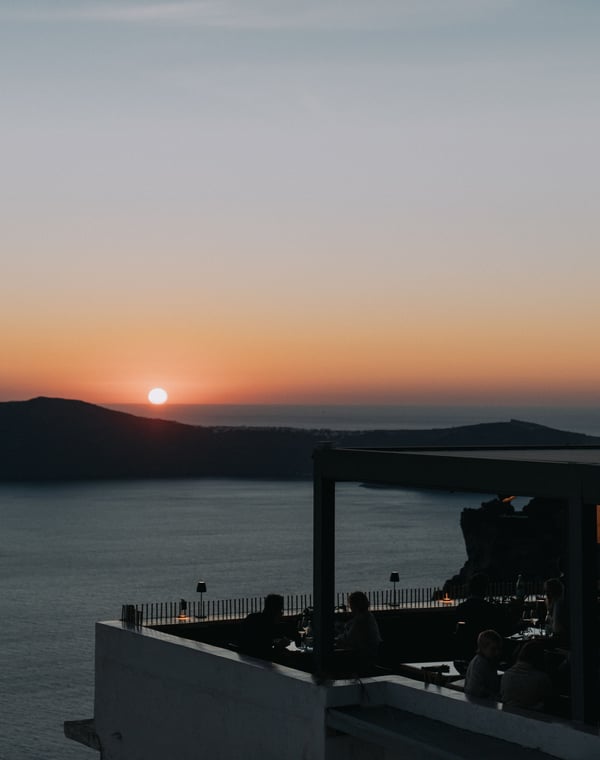
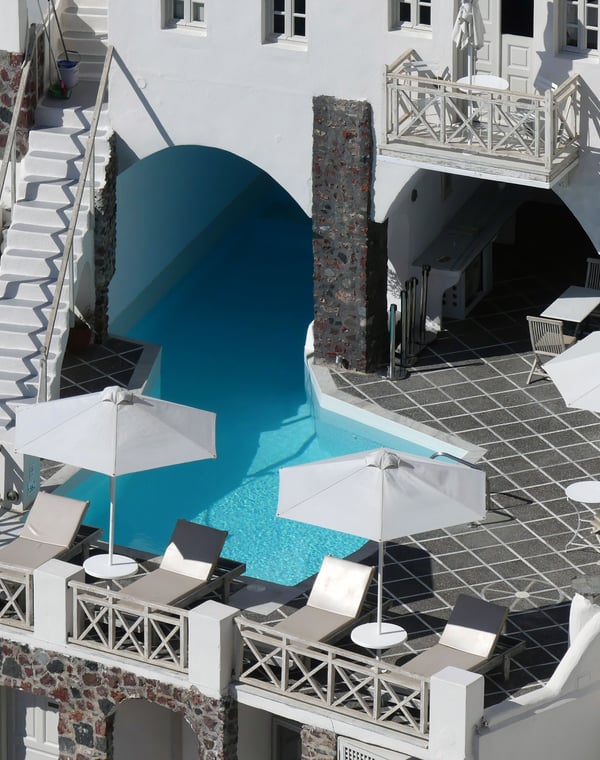
Santorini is spectacular but challenging with young kids — caldera towns are built on steep cliffs and endless steps, crowds are heavy, and there's little beach for little ones (the volcanic beaches are pebbly and far from the famous villages). A short visit can work, but it's not an easy family base. Mykonos leans toward nightlife and beach clubs; doable, but not the obvious family pick. Lean toward Naxos, Paros, or Crete instead.
Pacing the trip
The biggest family mistake is too many islands. Each ferry hop burns a day with packing, ports, and overtired kids. For a first family trip, do Athens (2 nights) plus one or two relaxed islands, giving each island at least three or four nights so you can settle into a rhythm — beach mornings, rest in the heat of the afternoon, early-evening exploring, late family dinners. Build in downtime; you're on island time now.
Athens with kids
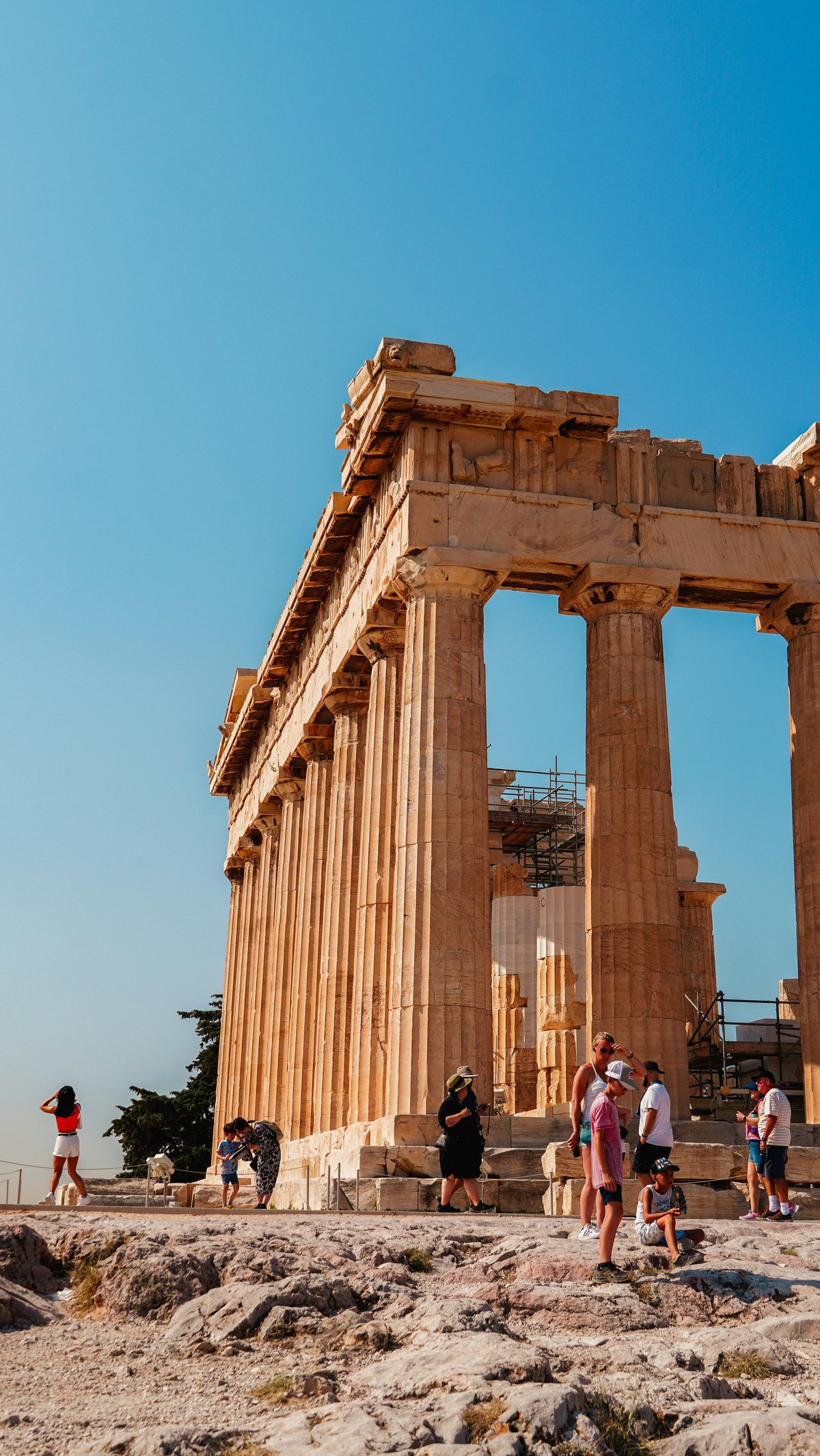
Two nights in Athens is plenty. The Acropolis is a genuine wow for kids (go early to beat the heat), the Acropolis Museum is modern and engaging with a glass floor over excavations, and the changing of the guard at Syntagma Square is a quick crowd-pleaser. Keep the schedule light — one big site a day, then a relaxed taverna dinner.
Practical family tips
A few things that smooth a Greek family trip: pre-book transfers for ports and airports so you're not wrangling luggage and kids in the heat. Pick conventional ferries over fast catamarans where you can — they're steadier (better for queasy stomachs) and let kids move around on deck. Pack sun protection and water shoes for pebbly spots. Tap water is fine in Athens and the mainland, but on islands like Santorini it's desalinated, so locals drink bottled. And lean into the late-dinner culture — Greek tavernas are relaxed about kids running a little, and nobody rushes you out.
How much it costs
A family trip flexes a lot with island choice and lodging. Naxos and Paros keep daily costs reasonable with apartments and family rooms; Crete resorts and Santorini push the budget up. Family rooms and short-apartment rentals often beat two hotel rooms, and shoulder season (May, June, September) means gentler prices and weather. Because rates move with season and demand, check current prices as you book rather than relying on a fixed number.
Keeping everyone happy day to day
The rhythm that works best with kids in Greece mirrors how locals live in summer: active mornings, a slow midday break out of the strongest heat, and a long, relaxed evening. Hit the beach or a sight early, retreat to the pool or a shady lunch when the sun peaks, then head out again in the golden late afternoon when the islands come alive. Greek dinners start late and run long, and tavernas are genuinely relaxed about children — so an 8:30pm dinner where the kids wander a bit is completely normal. Pack a small beach kit (water shoes for pebbly coves, sun shirts, a shade) and you'll dodge the two things that derail family days here: midday heat and sunburn.
FAQ
What's the best Greek island for families with young kids?
Naxos — it has long, shallow, sandy beaches, a walkable town, good value, and enough variety to fill several days. Paros and Crete are also strong family choices.
Is Santorini good for kids?
It's spectacular but not the easiest with young children — steep cliffside towns, lots of steps, big crowds, and little sandy beach near the famous villages. A short visit can work, but Naxos or Crete make better family bases.
How many islands should we visit with kids?
One or two for a first trip, plus a couple of nights in Athens. Each ferry day is tiring with kids, so give each island three to four nights and build in downtime.
Are Greek ferries okay for children?
Yes — choose the larger conventional ferries where you can. They're steadier than the fast catamarans and let kids move around on deck, which makes the crossing much easier.
When should we go with kids?
May, June, and September are ideal — warm and swimmable, with smaller crowds and gentler prices than the peak July–August heat.
Keep planning
Not sure how the islands fit together?
Pick your trip length and we'll route a real island-by-island plan — ferries included.