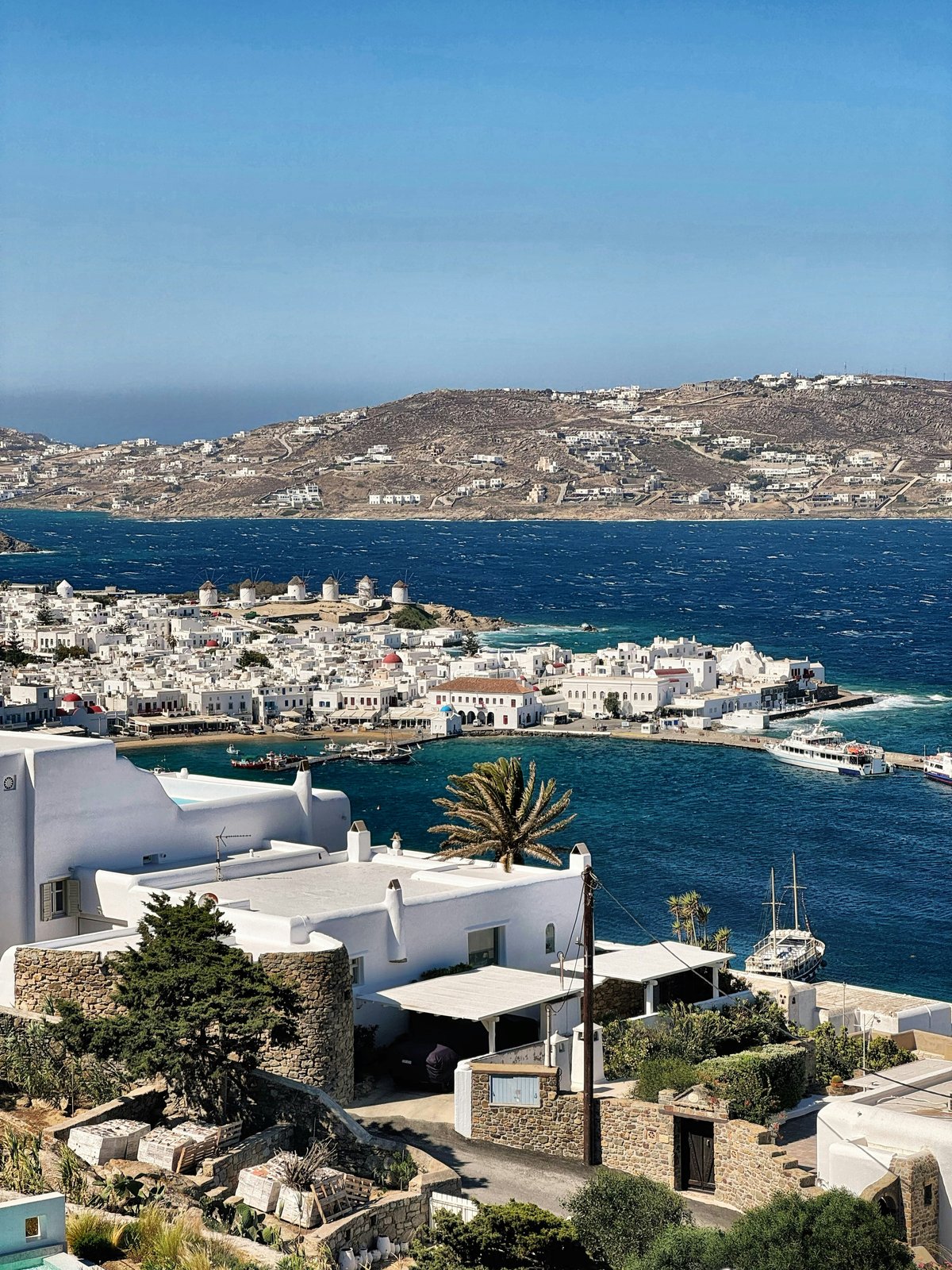
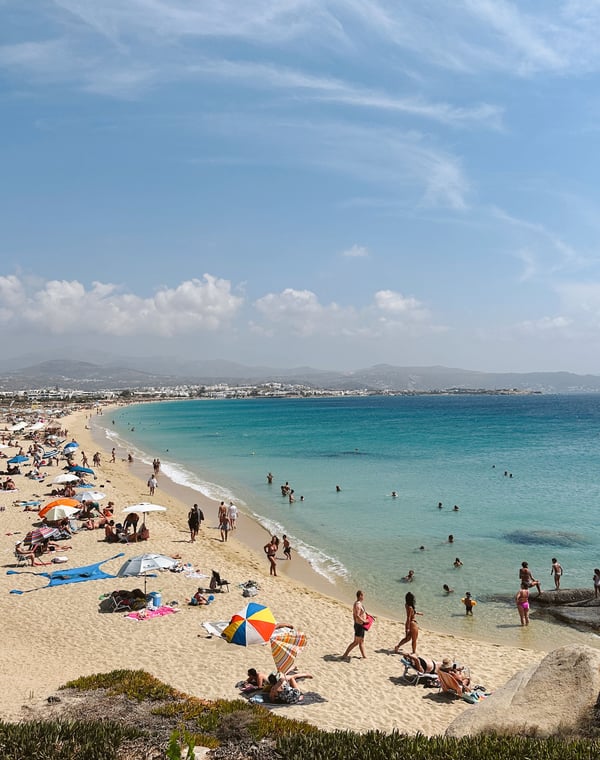
What a Greece trip costs from the US: the major expense buckets, the levers that move the total most, budget vs splurge, and American-specific money-saving tips.
One of the first questions American travelers ask about Greece is simply: what will it cost? The honest answer is that it varies enormously — Greece can be a budget-friendly European trip or a serious splurge, depending on when you go, which islands you choose, and how you travel. This guide breaks down what a trip to Greece costs from the US, the factors that move the total most, and how to build a trip that fits your budget — without pretending there's a single magic number.
This article contains affiliate links. If you book through them we earn a small commission at no extra cost to you.
Why there's no single answer
A Greece trip's cost swings on a few big levers, so two travelers can spend wildly different amounts on the "same" trip. The biggest factors are when you go (peak summer vs shoulder season), which islands (Santorini and Mykonos cost multiples of Naxos and Paros), how you travel (ferries vs flights, guesthouses vs caldera suites), and the flights from the US, which alone can be a large chunk and vary by season and how far ahead you book. Rather than quote a fixed figure that'll be wrong by the time you travel, it's more useful to understand the ranges and the levers.
The major cost buckets
International flights
Your transatlantic flight to Athens is often the single biggest line item. Prices vary by season (summer peaks), origin city, and how early you book. Nonstop routes from major US hubs cost more than connecting itineraries. Booking well ahead and being flexible on dates helps significantly. Check current fares for your specific dates rather than relying on a fixed estimate.
Accommodation
This is where island choice bites hardest. A caldera-view suite in Santorini can cost many times a comfortable room in Naxos or a guesthouse in Athens. Across a trip, lodging is usually the second-biggest expense after flights, and the most controllable — shoulder season and value islands cut it dramatically.
Inter-island travel
Ferries and domestic flights add up across a multi-island trip. Ferries range from budget deck-class on conventional boats to pricier high-speed catamarans; short domestic flights (like Athens–Santorini) save time for a bit more money. Booking ahead in peak season gets better fares.
Food and daily spending
Greece is a relative bargain here. Taverna meals, a few-euro gyros, and house wine keep daily food costs reasonable, especially away from the tourist hotspots and the famous islands' view restaurants. Activities, tours, and entry fees add to the daily total, but Greece's everyday costs are gentle by Western European standards.
The levers that move your budget most
If you want to control the cost, pull these levers. Travel in shoulder season (May, June, September, early October) — flights, hotels, and ferries all drop from their summer peak at once. Choose value islands — building around Naxos and Paros instead of Santorini and Mykonos can roughly halve your lodging. Book flights early and stay flexible on dates. Mix ferries and flights strategically. And eat like a local at tavernas rather than view restaurants. These choices, not penny-pinching, are what actually determine your total.
Budget, mid-range, or splurge?
Roughly speaking: a budget trip leans on shoulder season, value islands, guesthouses, deck-class ferries, and taverna meals. A mid-range trip mixes comfortable hotels, a balance of ferries and flights, and a famous island or two. A splurge trip means caldera suites, flights over ferries, fine dining, and private transfers. The same itinerary can be done at any of these levels — Greece is flexible that way — so decide where you want to spend and where you'd rather save. Many travelers do a hybrid: splurge on one or two things (a Santorini suite, a sunset cruise) and keep the rest sensible.
American-specific money tips
A few things that save US travelers money on the ground. At ATMs, avoid the Euronet machines in tourist areas (poor rates and fees) and use a bank ATM, always choosing to be charged in euros, not dollars (declining the conversion offer avoids a bad built-in markup). Tipping is modest — 5–10% at a taverna, no US-style 18–20% — which quietly saves real money across a trip. An eSIM for data beats your carrier's international day-pass. And cards are widely accepted, so you rarely need much cash. Because exchange rates and all prices shift constantly, price your specific trip close to booking rather than trusting an old estimate.
The bottom line on cost
Greece can fit almost any budget, which is exactly why a single dollar figure misleads more than it helps. Decide your travel season and your island mix first — those two choices shape the total more than anything else — then build the trip up or down from there. Price the specific flights, hotels, and ferries for your dates as you book, and you'll get a real number for your trip rather than a stale average for someone else's.
FAQ
How much does a trip to Greece cost from the US?
It varies enormously with season, island choice, and travel style — Greece can be a budget European trip or a serious splurge. The biggest factors are your transatlantic flight, your accommodation, and whether you choose pricey islands like Santorini or value ones like Naxos. Price your specific dates as you book.
What's the biggest expense on a Greece trip?
Usually the international flight from the US, followed by accommodation. Accommodation is the most controllable — shoulder season and value islands cut it sharply.
How can I make a Greece trip cheaper?
Travel in shoulder season, build around value islands like Naxos and Paros, book flights early, mix ferries and flights strategically, and eat at local tavernas rather than view restaurants.
Is Greece expensive compared to other European destinations?
Everyday costs like food and local transport are gentle by Western European standards, but the famous islands (Santorini, Mykonos) and peak-summer prices can push a trip up. Your island and season choices decide where it lands.
How do I avoid losing money on fees as an American?
Use bank ATMs over Euronet machines, always choose to be charged in euros rather than dollars, tip modestly (5–10%, not US-style), and use an eSIM for data instead of a carrier day-pass.