See Greece for less: the cheaper islands, the shoulder-season trick, ferry and food savings, and the money tips that save Americans the most — without missing the magic.
Greece has a reputation as a splurge destination — all those caldera suites and beach clubs — but it's actually one of the better-value trips in Europe if you know where the costs hide and how to dodge them. A first trip done smartly can cost a fraction of the postcard version without feeling like you're missing out. This guide covers how to see Greece on a budget: the cheaper islands, the shoulder-season trick, ferry savings, and where a few euros go a long way.
This article contains affiliate links. If you book through them we earn a small commission at no extra cost to you.
The single biggest saver: when you go
Travel in shoulder season — May, June, September, or early October — and everything gets cheaper at once: flights, hotels, and ferries all drop from their July–August peak, while the weather stays warm and swimmable. You also dodge the crowds. Going one month either side of peak summer is the easiest way to cut a Greece budget without cutting any of the experience.
Choose the cheaper islands
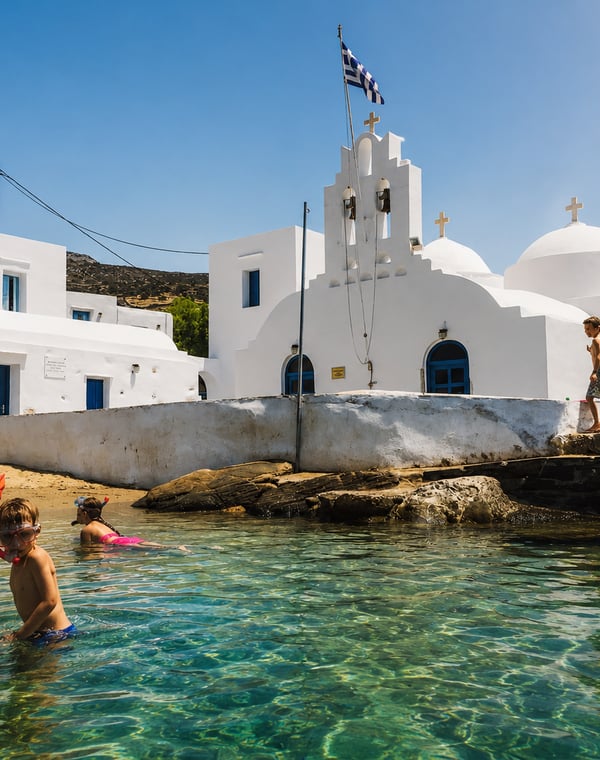
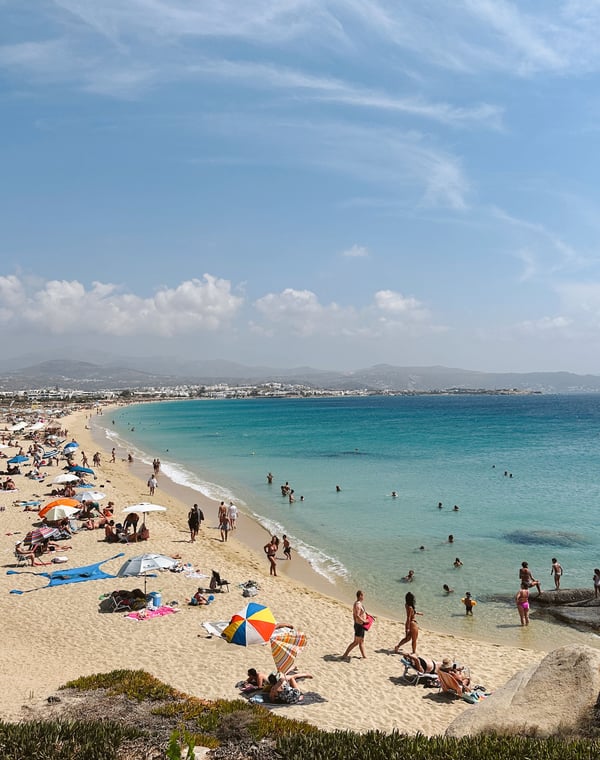
Island choice swings your budget more than almost anything. Santorini and Mykonos are the priciest by a wide margin. Naxos and Paros deliver gorgeous beaches, real villages, and great food for noticeably less — Naxos especially is the value champion of the Cyclades. Crete is also strong value given how much there is to do. A smart budget trip leans on Naxos and Paros, with maybe a short, planned splurge day-trip to a famous island rather than staying there.
Save on ferries
Ferries are a real line item, but you can trim them. Book deck or economy class on the conventional ferries — for the short Cycladic hops you'll spend the trip on the open deck enjoying the views anyway, and the upgraded cabins rarely justify their cost. The slower conventional boats are also cheaper than the high-speed catamarans. Book ahead in peak season for the best fares, and always check current prices, since they shift by route and season.
Eat like a local
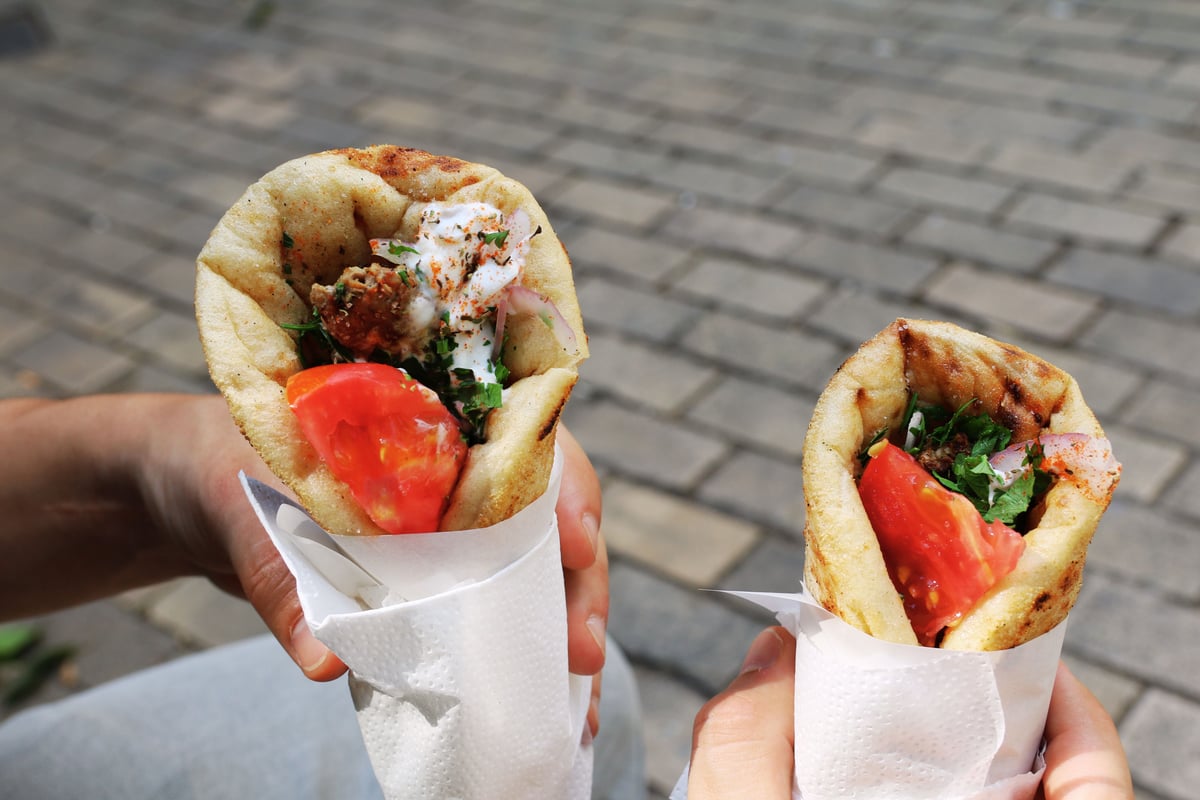
Food in Greece is a budget traveler's friend. A gyros or souvlaki is a few euros and genuinely delicious — one of the best cheap meals in Europe. Eat at the tavernas a few streets back from the waterfront and the main squares, where locals go and prices drop. Order a spread of mezze to share, drink the house wine, and have your big meal at lunch where some places offer better value. Markets and bakeries make easy, cheap breakfasts and beach picnics.
Sleep smart
Skip the caldera-view premium. Guesthouses, family-run rooms ("domatia"), and apartment rentals on the value islands cost a fraction of the famous hotels, and on islands like Naxos you can stay walking distance from the beach for very little. In Athens, neighborhoods like Koukaki offer central, walkable stays well below Plaka prices. Book early in peak season for the cheapest rooms.
Free and cheap experiences
A lot of Greece's best is free or nearly so: the beaches, wandering the whitewashed village lanes, hiking trails like the Fira-to-Oia caldera walk, and watching the sunset (no ticket required). Ancient sites have entry fees but are worth it; look for combination tickets in Athens that bundle the Acropolis with several other sites for less than buying separately. Public buses on the islands and the Athens Metro are cheap and easy.
A realistic budget approach
Done this way — shoulder season, value islands, deck-class ferries, taverna meals, guesthouse stays — a first trip to Greece sits comfortably at the low end of the daily range, well below what the Santorini-and-Mykonos version costs. The trip-cost math shifts with exchange rates and season, so price your specific dates rather than trusting a fixed number, but the levers above reliably move the total down without gutting the experience. Spend the savings on one or two things that matter to you — a special dinner, one splurge island day — and skip the rest.
Money tips that save Americans the most
A few habits keep more dollars in your pocket. At ATMs, avoid the Euronet machines in tourist areas — their rates and fees are poor; use a bank ATM and always choose to be charged in euros, not dollars (declining the "convert for me" offer avoids a bad built-in markup). Cards are widely accepted, so you rarely need to pull out large amounts of cash. Tipping is modest here — rounding up or leaving 5–10% at a taverna is plenty, with no U.S.-style 18–20% expectation, which quietly saves a budget traveler real money over a trip. And an eSIM for data is far cheaper than your home carrier's international day-pass; a Greek or EU eSIM works across the whole EU if you're combining countries.
FAQ
Is Greece expensive to visit?
It can be, but it doesn't have to be. Santorini and Mykonos are pricey; islands like Naxos and Paros, shoulder-season travel, deck-class ferries, and taverna meals make Greece one of the better-value trips in Europe.
What are the cheapest Greek islands?
Naxos and Paros offer the best value in the Cyclades — beautiful beaches and real villages for far less than Santorini or Mykonos. Crete is also strong value given how much there is to do.
How do I save money on ferries?
Book deck or economy class on the conventional (slower) ferries — they're cheaper than the fast catamarans, and on short hops you'll be on deck enjoying the views anyway. Book ahead in peak season.
When is the cheapest time to visit Greece?
Shoulder season — May, June, September, and early October. Flights, hotels, and ferries all drop from the July–August peak while the weather stays warm.
How can I eat cheaply in Greece?
Gyros and souvlaki are a few euros and excellent. Eat at tavernas a few streets back from the waterfront where locals go, share mezze plates, and use markets and bakeries for breakfasts and picnics.