Greek etiquette for Americans: embrace the relaxed pace, share meals and dine late, tip modestly (5–10%), accept hospitality warmly, and dress respectfully at churches.
Greeks are famously warm and welcoming, and you don't need to master a long list of rules to be a gracious guest. But understanding a few cultural customs — around dining, tipping, greetings, and pace — helps you connect with locals, avoid small faux pas, and travel more smoothly. For Americans, some Greek norms differ in pleasant or surprising ways. This guide covers Greek etiquette for American travelers: the customs worth knowing to fit in and show respect.
This article contains affiliate links. If you book through them we earn a small commission at no extra cost to you.
The relaxed pace of life
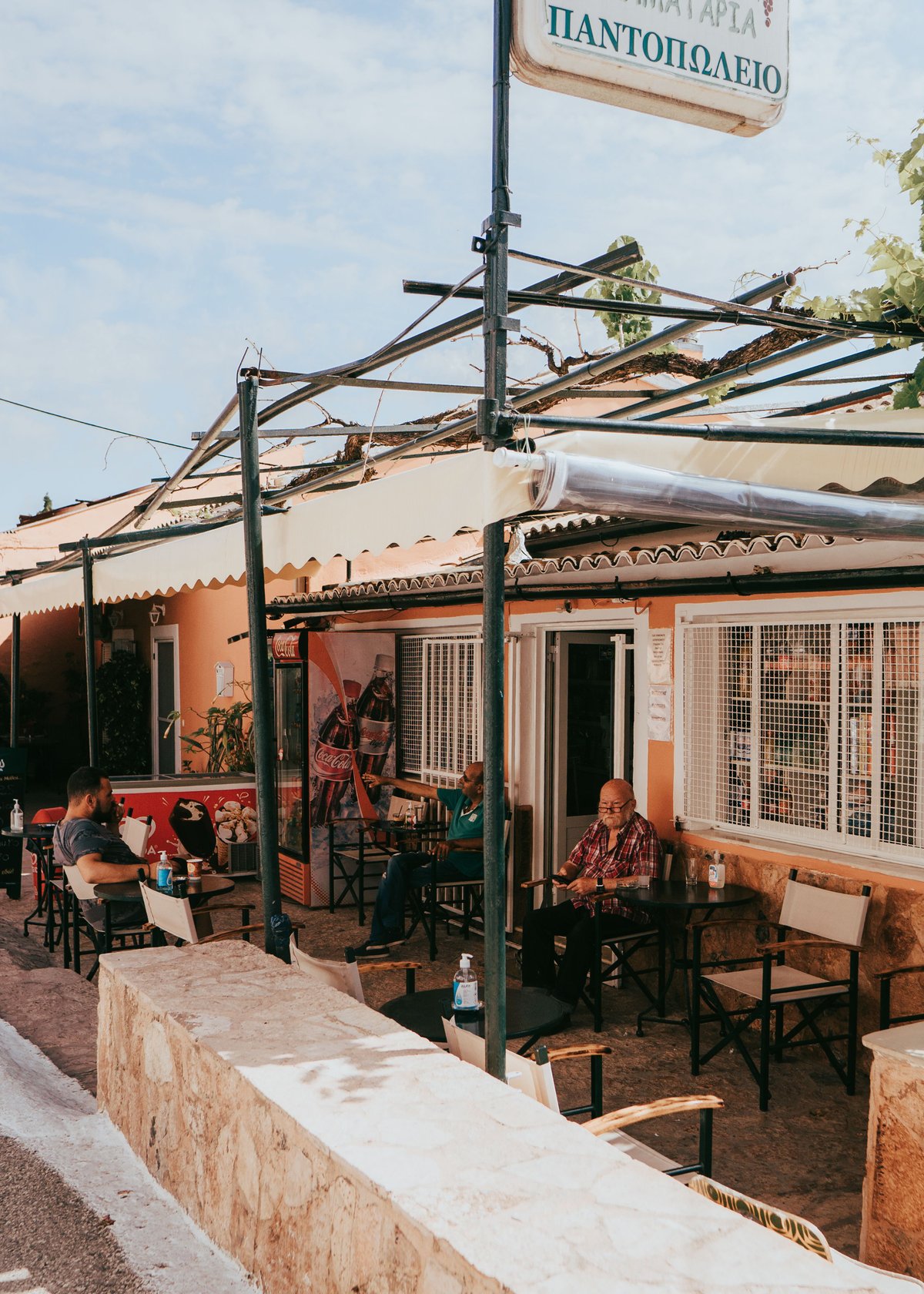
The first thing to embrace is the slower, relaxed rhythm. Greeks value enjoying life — long meals, lingering coffees, unhurried service. What can feel "slow" to Americans (a waiter not rushing your check, a shop opening late) is simply the culture. Don't take it as poor service; lean into it. Meals and social time aren't to be rushed, and matching that pace is part of experiencing Greece well.
Dining etiquette
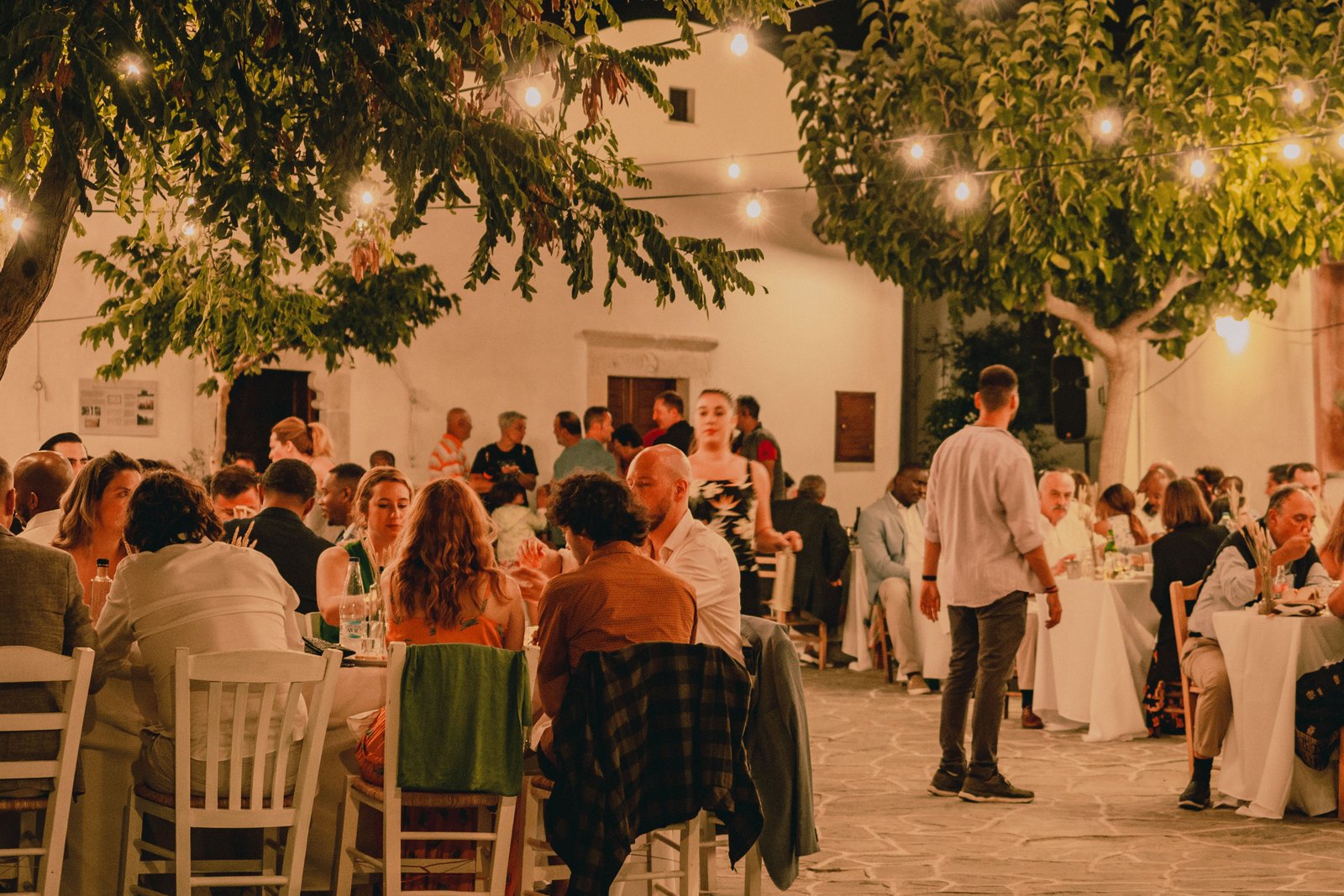
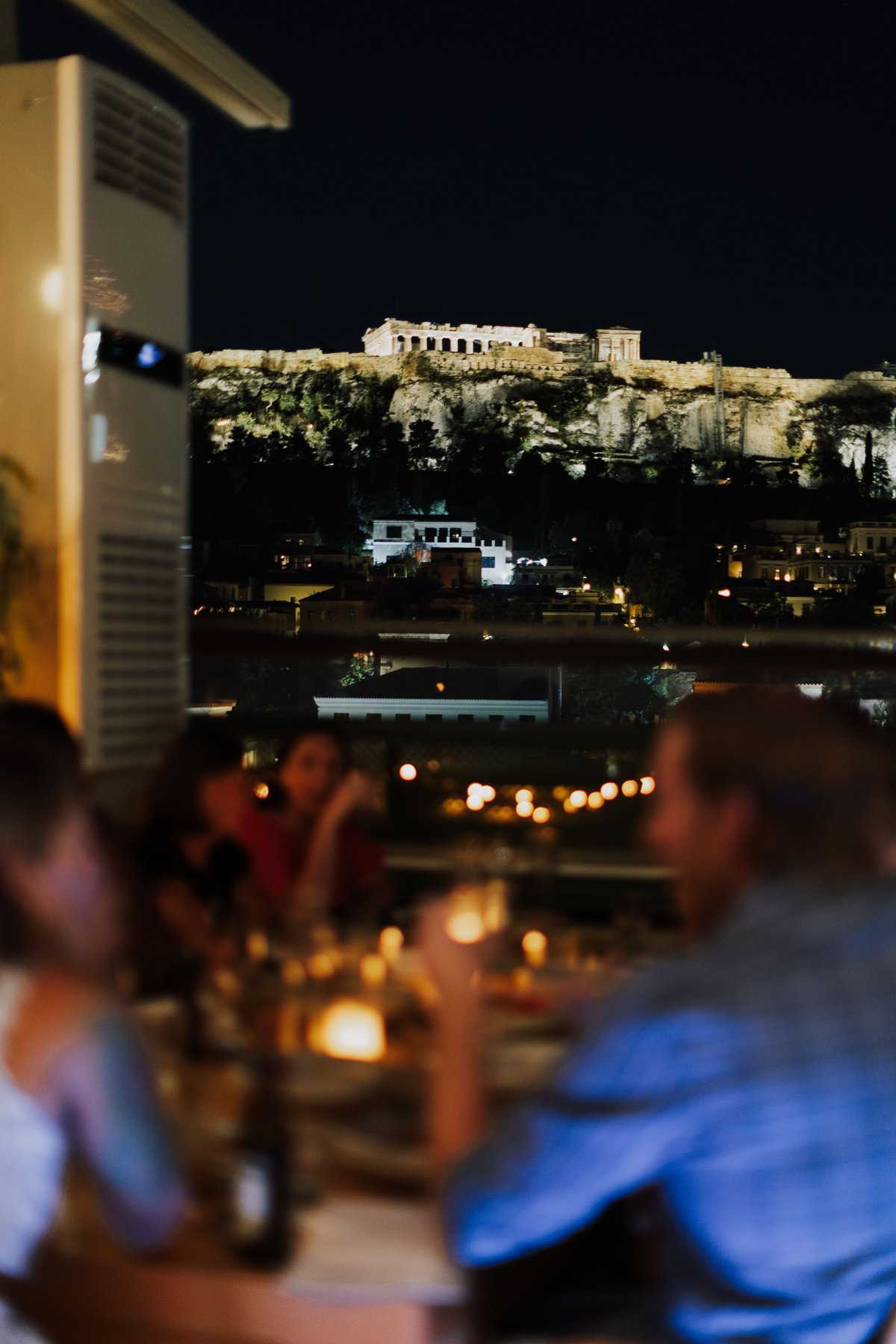
Greek dining is social and shared. Order mezedes and dishes for the table to share rather than strictly individual plates. Meals are leisurely and start late (dinner often 9pm or later). A few customs: it's polite to wait for a "kali orexi" (bon appétit) before digging in; bread and a small cover charge are normal; and the host or oldest person may insist on treating — graciously accepting (and reciprocating another time) is the Greek way. The waiter won't bring the check until you ask, as rushing you would be rude.
Tipping the Greek way
For Americans this is a welcome difference: tipping is modest and not obligatory, with no U.S.-style 18–20% expectation. At restaurants, rounding up or leaving around 5–10% for good service is customary — a few euros, left in cash. For taxis, round up; for hotel staff or guides, a small tip for good service is appreciated but not required. Over-tipping isn't expected, so relax about it — Greek service culture simply doesn't run on big tips.
Greetings and social customs
Greeks are warm and physical in greetings. Among friends, two kisses on the cheek are common; with new acquaintances, a handshake is standard. People are friendly, expressive, and curious, and may engage you readily — it's part of the hospitality. Learning a few Greek words (hello, thank you) is genuinely appreciated. Greeks are also proud of their country and history, so showing interest and respect for their culture goes a long way.
Dress and church etiquette
Greece is generally casual, but churches and monasteries have a dress code: cover shoulders and knees (men and women), and women may need a skirt or wrap at some monasteries (often provided at the entrance). Remove hats inside churches and be respectful and quiet, as these are active places of worship, not just sights. On beaches, normal swimwear is fine, but cover up when leaving the beach for towns and tavernas.
Hospitality and "filoxenia"
Greek hospitality — filoxenia, literally "friend to strangers" — is a deep cultural value. You may be offered food, drink, or a small gift (like a free dessert or raki at a taverna), and accepting graciously is the polite response — refusing can seem rude. If invited to a Greek home, bringing a small gift (sweets, wine, or flowers) is customary, and expect to be fed generously. This genuine warmth toward guests is one of the most memorable parts of visiting Greece.
A few things to avoid
Some quick don'ts: avoid the "moutza" gesture (open palm pushed toward someone) — it's offensive in Greece, so be mindful of casual hand gestures. Don't be loud or overly demanding; the relaxed culture values calm courtesy. Be sensitive discussing politics or history (Greeks are passionate about both). And don't rush people or service — patience is appreciated. These are minor, but being aware of them shows respect.
The bottom line
Greek etiquette comes down to a few gracious habits: embrace the relaxed pace, share meals and dine late, tip modestly, accept hospitality warmly, dress respectfully at churches, and learn a few Greek words. Greeks are forgiving and delighted by visitors who show interest and courtesy, so you don't need to be perfect — a little awareness and an open, friendly attitude will earn you the famous Greek welcome and make your trip all the richer.
Etiquette on the islands vs the city
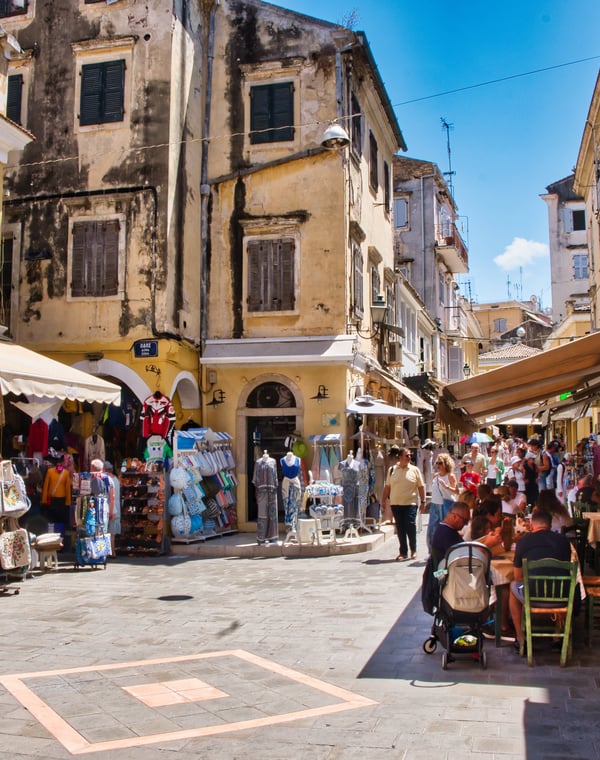
Customs shift slightly between cosmopolitan Athens and the smaller islands and villages, and it helps to read the room. In Athens and the busy tourist islands, things are more international and relaxed — dress, dining, and social norms feel familiar, and locals are used to visitors. In smaller villages and on quieter islands, life is more traditional: dress a little more modestly away from the beach, greet shopkeepers and people you pass (a friendly "kalimera" goes far), and expect an even slower, more personal pace. The afternoon "mesimeri" rest period is more observed in villages, where some shops close in the early afternoon and reopen in the evening, so plan around it. Religious customs matter more in traditional communities too — be especially respectful around churches and local festivals (panigyria), which you may be warmly invited to join. The throughline everywhere is the same: friendliness, patience, and respect for local rhythms. Reading whether you're in a buzzy tourist hub or a traditional village, and adjusting your pace and dress a touch, shows the kind of awareness that Greeks notice and appreciate.
FAQ
How much should I tip in Greece?
Modestly — there's no U.S.-style 18–20% expectation. Rounding up or leaving around 5–10% in cash for good service at restaurants is customary, and a small tip for taxis or guides is appreciated but not required.
What should I wear to visit Greek churches?
Cover your shoulders and knees (men and women); some monasteries ask women to wear a skirt or wrap, often provided at the entrance. Remove hats inside and be quiet and respectful, as these are active places of worship.
What is Greek hospitality (filoxenia)?
A deep cultural value of warmth toward guests and strangers. You may be offered food, drink, or a small gift; accepting graciously is polite. If invited to a home, bring a small gift like sweets or wine, and expect to be fed generously.
Are there gestures to avoid in Greece?
Yes — avoid the "moutza," an open palm pushed toward someone, which is offensive. Be mindful of casual hand gestures, avoid being loud or demanding, and be sensitive when discussing politics or history.
Why is service so slow in Greece?
It's the relaxed culture, not poor service — Greeks value unhurried meals and social time, and the waiter won't bring your check until you ask, as rushing you would be considered rude. Lean into the slower pace.
Keep planning
Not sure how the islands fit together?
Pick your trip length and we'll route a real island-by-island plan — ferries included.