Is Greece Safe? An Honest Guide for American Travelers
Is Greece safe? Yes — one of Europe's safer destinations. Here's what to watch (petty theft, island roads, summer heat), safety for solo and women travelers, and key tips.
Safety is one of the first things on any traveler's mind, and the good news about Greece is reassuring: it's one of the safer destinations in Europe, with low violent crime and a warm, welcoming culture toward visitors. That said, a little awareness of the everyday things to watch for — petty theft, island roads, summer heat — makes for a smoother, worry-free trip. This guide gives American travelers an honest, practical look at safety in Greece: what to expect, what to watch, and how to stay safe.
This article contains affiliate links. If you book through them we earn a small commission at no extra cost to you.
Is Greece safe overall?
Yes — Greece is generally considered a very safe country for tourists, with low rates of violent crime and a strong culture of hospitality. Millions of visitors enjoy trouble-free trips every year, and you can walk around cities and islands, including in the evening, with reasonable confidence. As anywhere, common sense applies, but Greece does not present the safety concerns some travelers worry about — the main things to watch are minor and manageable.
Petty theft: the main thing to watch
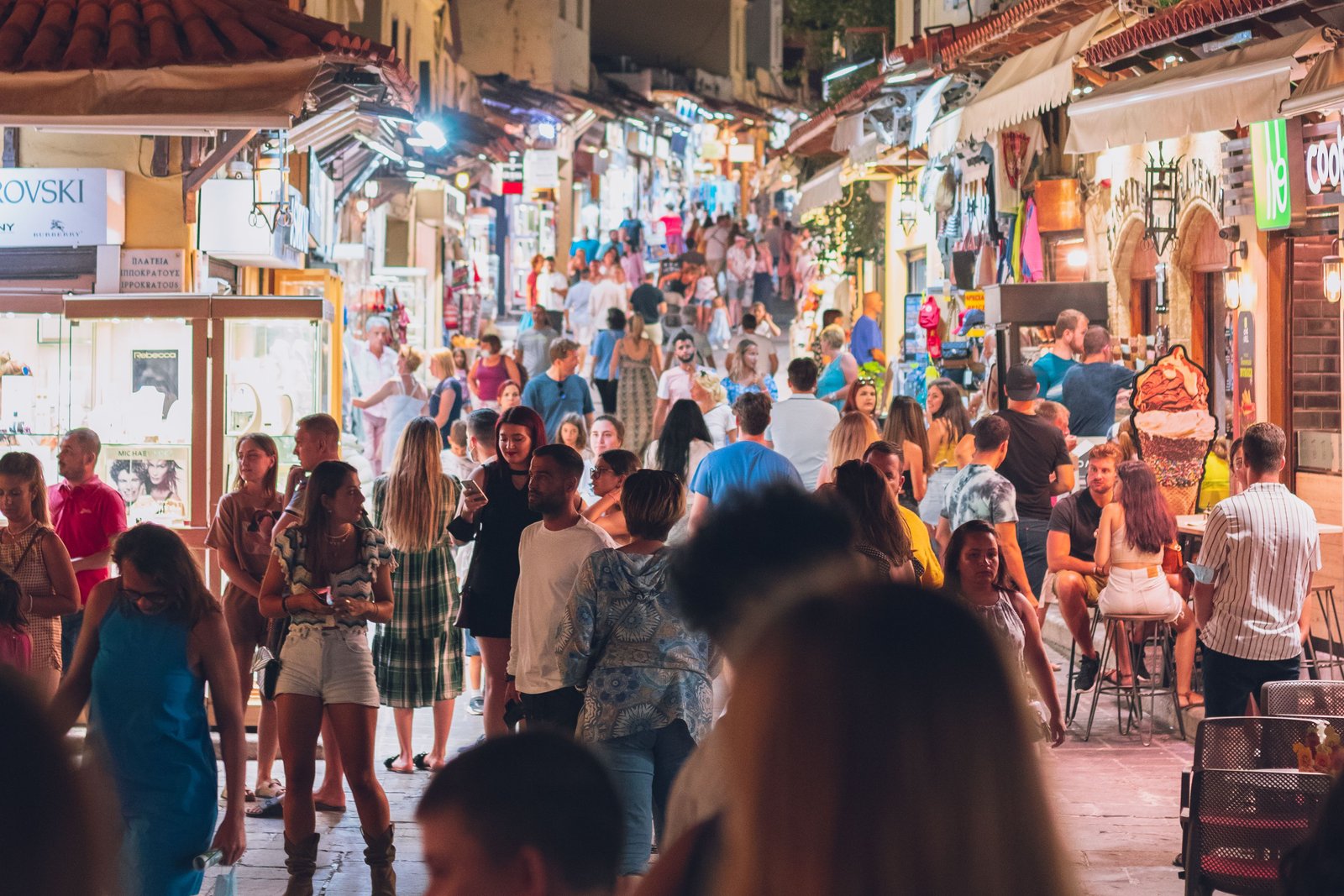
The most common issue tourists face is petty theft — pickpocketing and bag-snatching in crowded tourist areas, especially in central Athens, on the busy Metro, and at major sights. It's opportunistic, not dangerous, and easy to guard against: keep valuables secure and out of sight, use a cross-body bag or money belt in crowds, stay aware on public transport, and don't leave phones or wallets unattended on café tables. With these basic habits, the risk is small.
Areas and situations to be aware of
A few specifics. In Athens, some neighborhoods around Omonia and parts of the center feel rougher, especially late at night — nothing alarming, but worth normal city awareness. Tourist scams are uncommon but exist (overcharging at some bars, pushy restaurant touts); stick to reputable places and check prices. Nightlife on party islands calls for the usual care with drinks and getting back to your accommodation. None of this is unique to Greece — it's standard travel sense for any popular destination.
Road and water safety
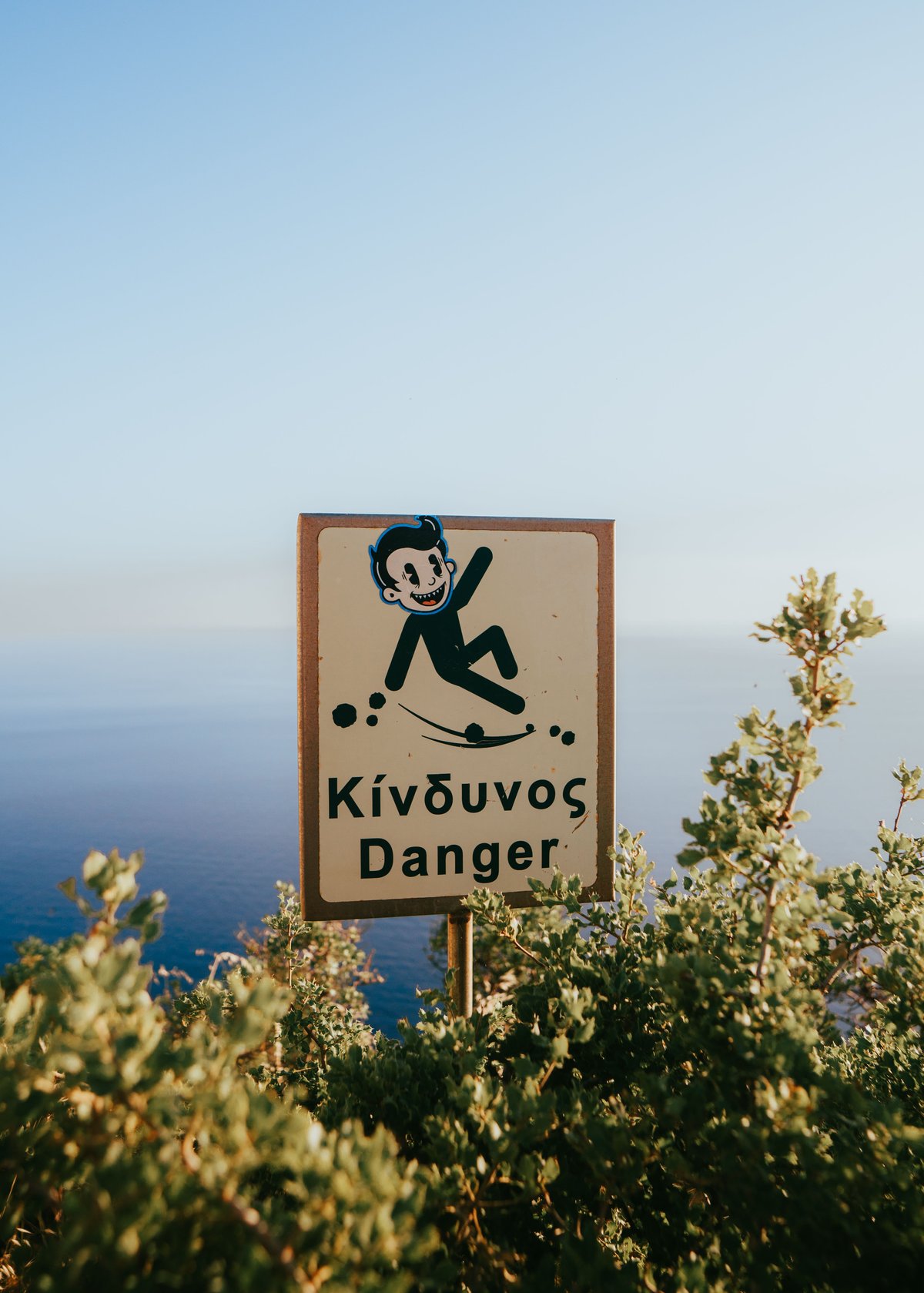
Honestly, the bigger real risks in Greece are practical rather than criminal. Driving and ATVs/scooters on narrow, winding island roads cause many tourist injuries — if you rent, drive cautiously, wear helmets, and don't underestimate the roads (and carry your International Driving Permit). At the beach, respect the sea: some spots have currents or strong winds (the meltemi), so heed flags and local advice. These everyday hazards deserve more attention than crime does.
Summer heat and sun
A genuine seasonal safety factor: extreme summer heat. July and August can bring intense heat waves, and every year tourists underestimate the midday sun, especially when walking ancient sites with little shade. Stay hydrated, wear sun protection and a hat, avoid strenuous activity in peak heat, and plan sightseeing for mornings and late afternoons. Greece has also seen wildfires in hot, dry summers — generally away from main tourist areas, but stay aware of local news and advisories in summer.
Safety for solo and women travelers
Greece is widely regarded as a good destination for solo travelers, including women, with a safe, sociable atmosphere and friendly locals. Normal precautions apply — awareness at night, care in nightlife, trusting your instincts — but many solo and female travelers report feeling comfortable and welcome across the country. The strong tourism culture and helpful locals make it an easy place to travel independently.
Practical safety tips
To round it out: keep a copy of your passport separate from the original; have travel insurance with medical coverage (your U.S. insurance may not cover you abroad); save the European emergency number 112, which works across Greece for police, ambulance, and fire; keep an eye on belongings in crowds; and stay aware of summer heat and road risks. Follow these, and your trip should be as safe as it is memorable.
The bottom line
Greece is a safe, welcoming destination where the main things to manage are minor: petty theft in crowds, the everyday risks of island roads and the sea, and summer heat. Take normal precautions, respect the roads and the sun, keep your valuables secure, and you can travel Greece — cities, islands, solo or with family — with confidence. For most visitors, the warmth of the welcome is the lasting impression, not any worry about safety.
Health and medical safety
Beyond crime, it's worth knowing the health basics. Greece has a generally good standard of healthcare, with pharmacies (look for the green cross) widely available and helpful for minor ailments — pharmacists often speak English and can advise on common issues. Tap water is safe to drink in Athens and most of the mainland, though on some islands it's better to drink bottled water (locals will tell you, and it's a taste/quality matter more than a danger). The main health risks for tourists are mundane: sunburn, dehydration, and heat exhaustion in summer, and minor stomach upsets from overindulging in rich food and wine. Carry any prescription medications in their original packaging with a copy of the prescription, and bring a small kit of basics. Most importantly, have travel insurance with medical coverage, since your U.S. health insurance likely won't cover you abroad and you'd pay out of pocket otherwise. With sun sense, hydration, and insurance in place, the health side of a Greek trip is very low-risk.
FAQ
Is Greece safe for tourists?
Yes — Greece is one of the safer European destinations, with low violent crime and a welcoming culture. The main things to watch are petty theft in crowds, island road risks, and summer heat, all of which are manageable with normal precautions.
What's the biggest safety risk in Greece?
Practical hazards more than crime — driving or riding ATVs/scooters on narrow island roads causes many tourist injuries, and summer heat is often underestimated. Petty theft in crowded tourist areas is the most common crime issue, and it's easy to guard against.
Is Athens safe?
Generally yes, with normal city awareness. Watch for pickpocketing in crowds, on the Metro, and at major sights, and some areas around Omonia feel rougher late at night. Keep valuables secure and use standard urban caution.
Is Greece safe for solo and women travelers?
Yes — it's widely regarded as a good, welcoming destination for solo and female travelers, with a safe, sociable atmosphere. Normal precautions apply, but many report feeling comfortable traveling independently.
What's the emergency number in Greece?
112, the European emergency number, works across Greece for police, ambulance, and fire. Save it in your phone, keep a copy of your passport, and carry travel insurance with medical coverage.
Keep planning
Not sure how the islands fit together?
Pick your trip length and we'll route a real island-by-island plan — ferries included.