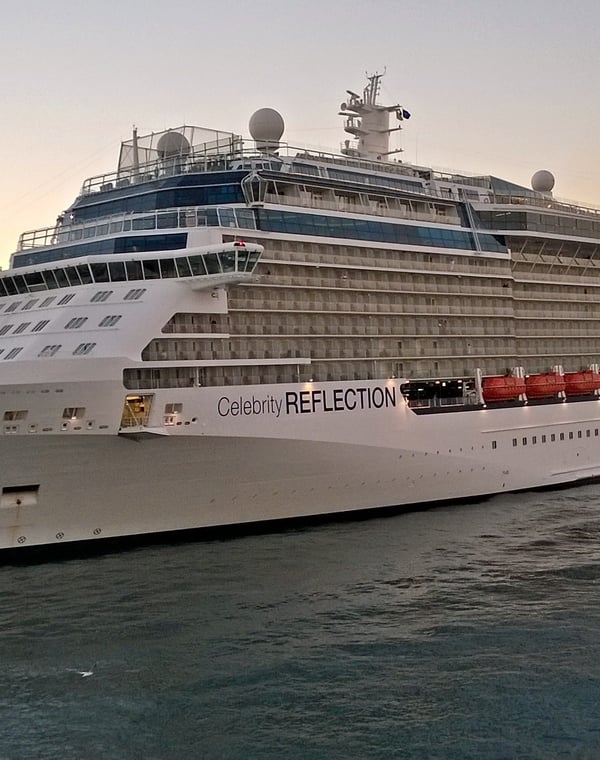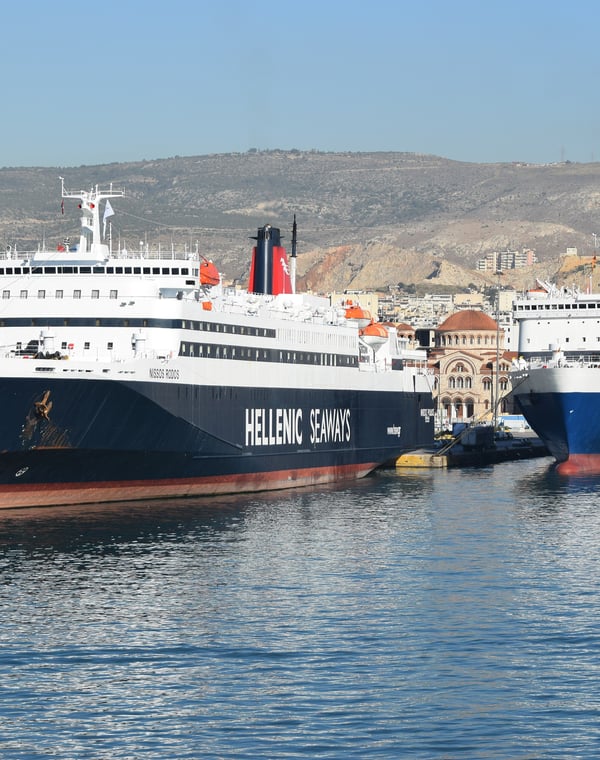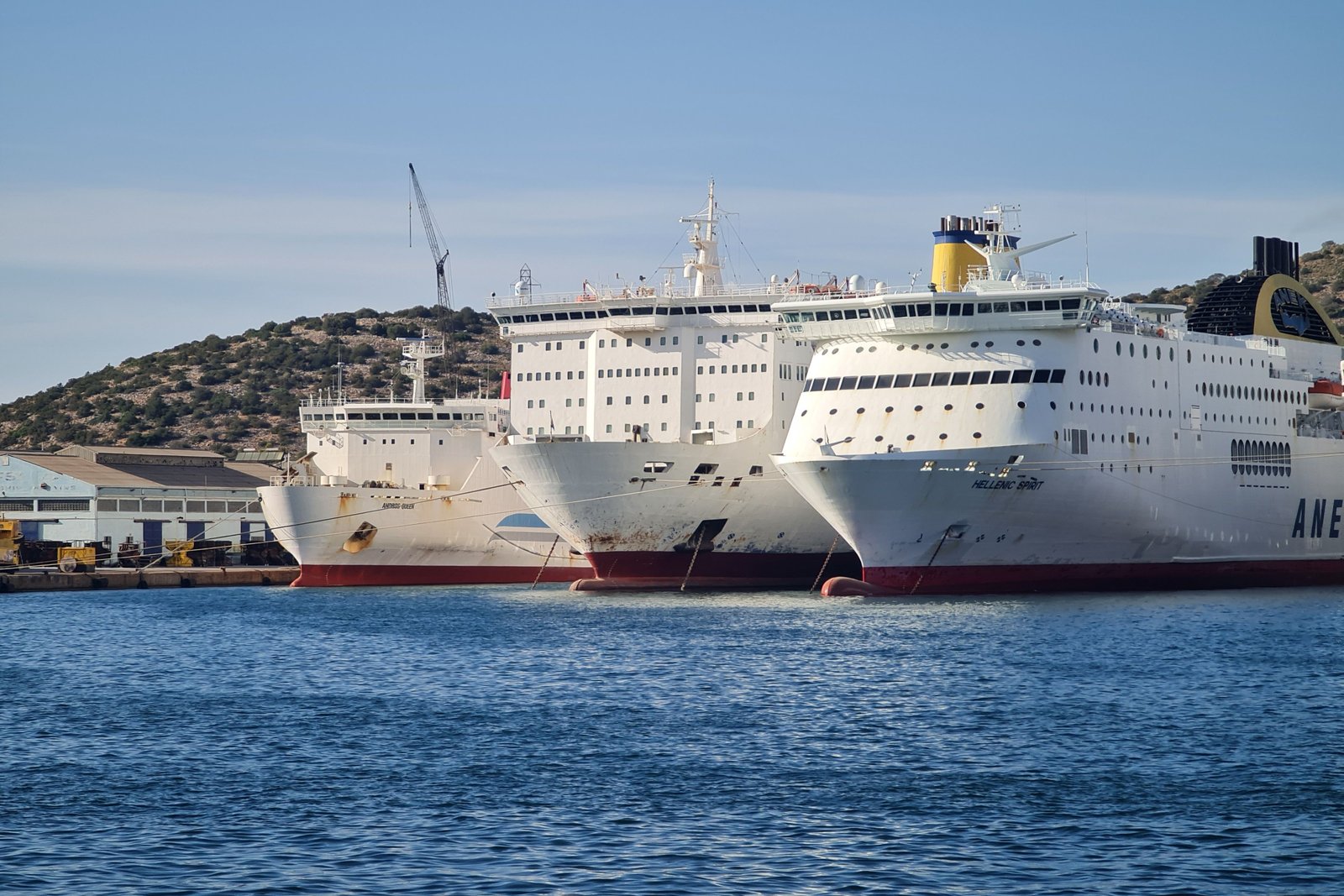
For a first-timer, the Greek ferry system can look intimidating — dozens of operators, two kinds of boats, ports with multiple docks, and schedules that change with the season. It's actually simpler than it looks once you understand the basics. This guide explains how Greek ferries work: the boat types, how to book, how the ports operate, and what to do when the wind has other plans.
The two kinds of ferries
Almost every route is served by one or both of two boat types, and the difference matters for your trip.
Conventional (slow) ferries
These are the big, stable workhorses — car decks below, lounges and open-air seating above. They're cheaper, steadier, and more pleasant for the scenery, and they handle wind far better than the fast boats. The trade-off is time: a conventional ferry to Santorini can take around 8 hours versus 5 on the fast boat. For a relaxed traveler with a deck coffee, that's a feature, not a bug.
High-speed ferries (catamarans)
These are quicker and more expensive, with airplane-style indoor seating and limited deck access. They save time but get cancelled more often in high wind and can be a rough, bumpy ride when the sea is up. They're great for short hops and tight schedules, less so if you're prone to seasickness.
How to book
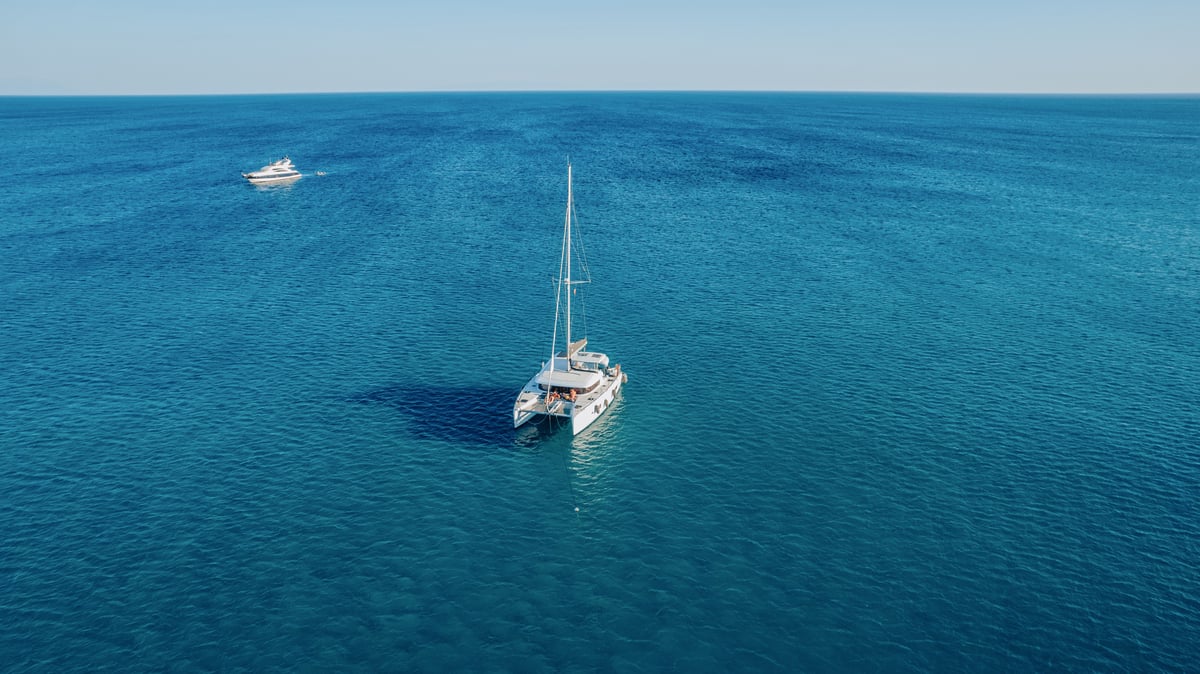
You can book ferries online through aggregator sites and operator websites, by card, well before you travel. For high-speed routes and the July–August peak, book in advance — popular sailings sell out. In shoulder season (May, June, September, early October) you have more flexibility, but schedules thin out, so always check the current timetable rather than assuming last year's sailings still run. Greek ferry schedules are seasonal and confirmed closer to the travel date, especially for less-busy routes.
Tickets and classes
Most routes offer deck or economy seating plus pricier cabins or business classes. For short Cycladic hops, deck or economy is all you need — you'll spend most of the trip on the open deck enjoying the views anyway. The upgraded cabins rarely justify their cost on a few-hour crossing. Carry some cash for onboard kiosks even though tickets are bought by card.
How the ports work
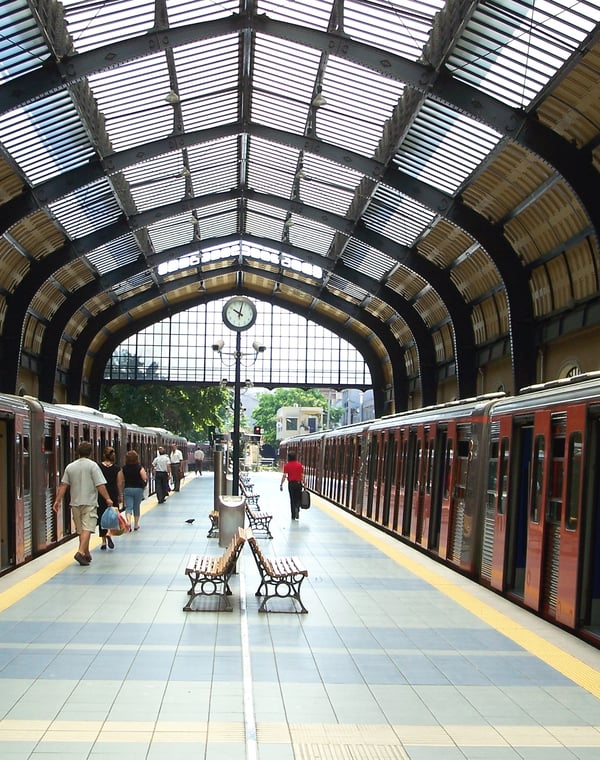
The mainland hub is Piraeus, the giant port just a short Metro ride from central Athens. It's busy and sprawling — many ferries leave from numbered gates, so arrive early, check the departure screens, and give yourself time to find the right dock. Some islands also have more than one port (Mykonos has an Old Port near town and a New Port for most big ferries), so confirm which one your boat uses.
Boarding
Boarding is famously brisk. Foot passengers and vehicles often load together through the car deck, crews wave you on quickly, and the big ferries do not wait for stragglers. Have your ticket ready, watch for your boat's name and destination, and don't wander far from the gate near departure time. Once aboard, head up to find a seat or a spot on deck.