Plaka, Monastiraki, and Koukaki: Athens Neighborhoods Explained
An Athens neighborhoods guide for first-timers: Plaka, Anafiotika, Monastiraki, Psyrri, Koukaki, and Kolonaki — what each is like and which suits your trip.
Athens makes more sense — and becomes a lot more enjoyable — once you understand its neighborhoods. The historic core is a cluster of distinct districts, each with its own character, and knowing which is which helps you decide where to wander, where to eat, and where to base yourself. This guide walks through the Athens neighborhoods a first-timer actually needs to know, from the postcard old town to the local-favorite districts just off the tourist track.
This article contains affiliate links. If you book through them we earn a small commission at no extra cost to you.
Plaka — the historic old town
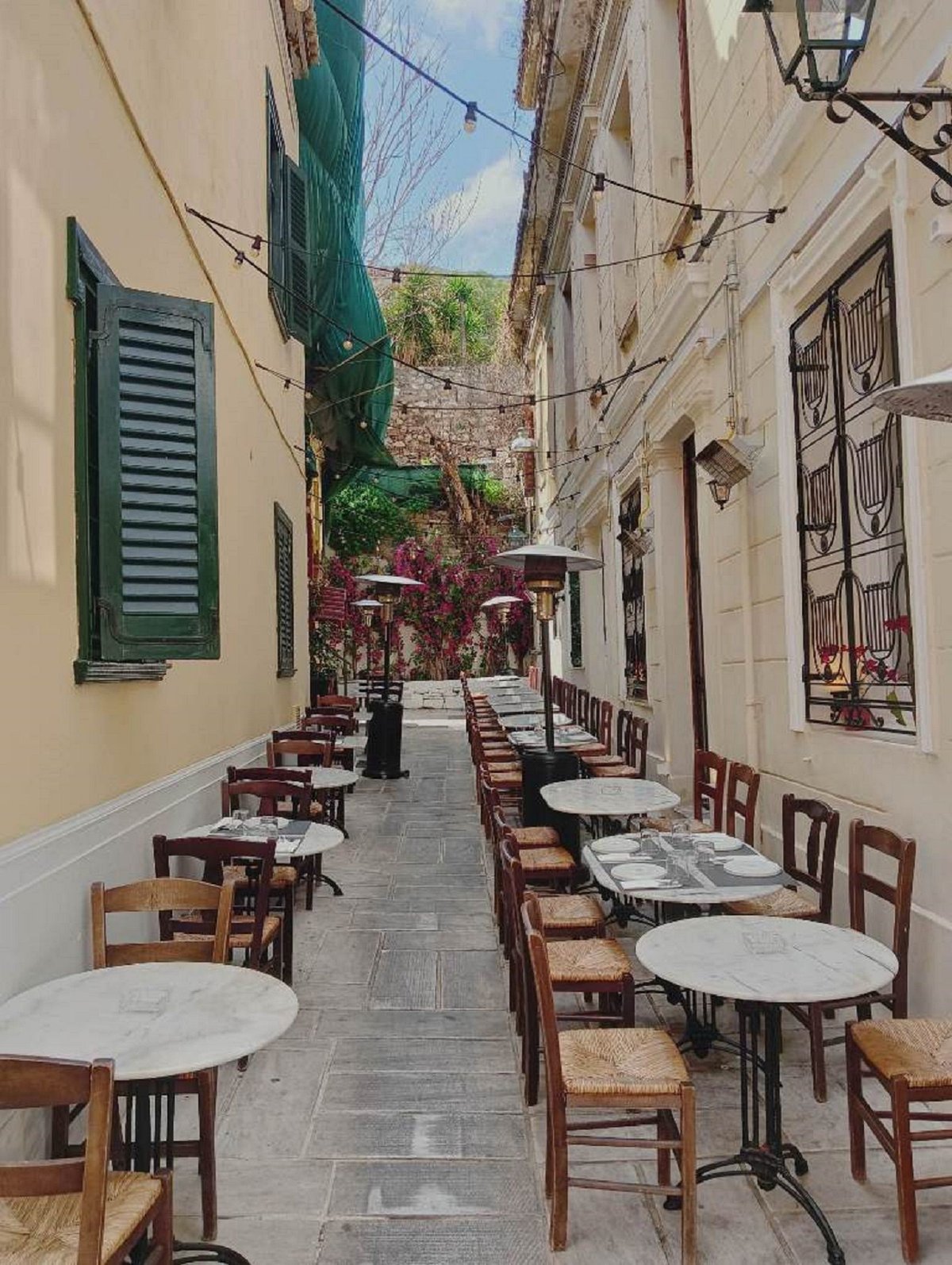
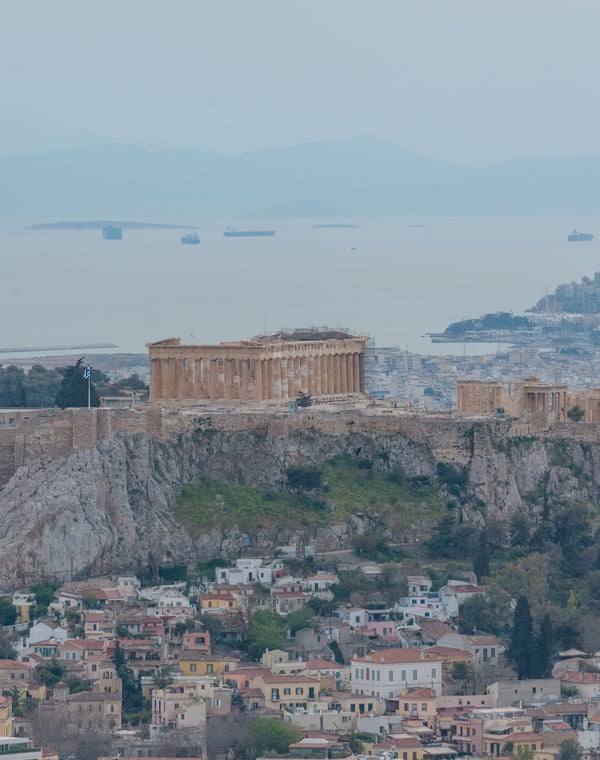
Plaka is the Athens of the postcards: neoclassical houses, bougainvillea-draped lanes, and cafés spilling onto pedestrian streets, all directly beneath the Acropolis. It's the most charming and walkable district, and the easiest base for first-timers — you can stroll to the Acropolis, the Agora, and the Acropolis Museum in minutes.
Good for
First-time sightseeing and staying close to the ancient sites. The trade-off is that the most touristy (and priciest) restaurants cluster here — walk a few streets back for better, cheaper food.
Anafiotika — the village within the city
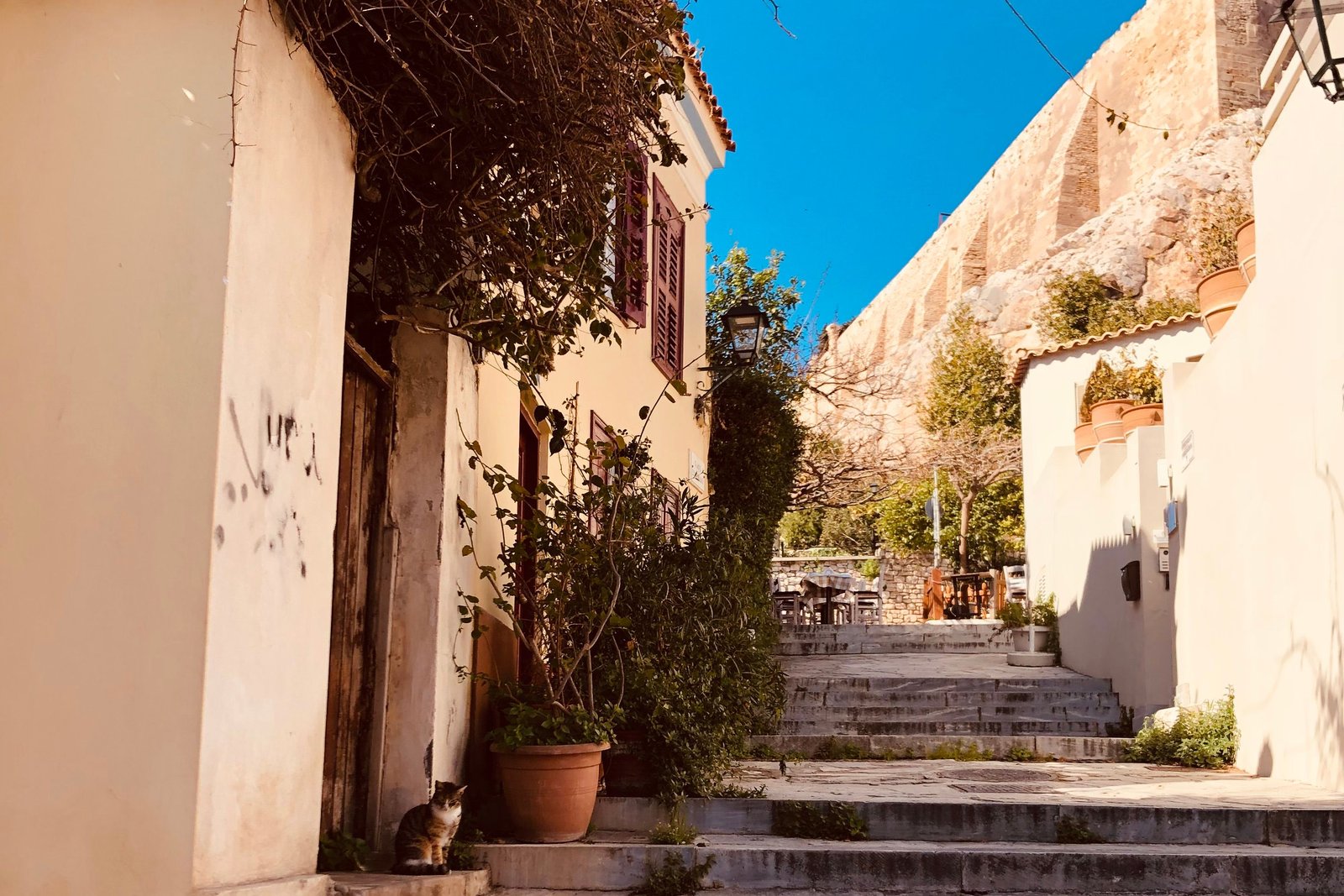
Tucked into the northern slope of the Acropolis, Anafiotika is a tiny cluster of whitewashed, blue-shuttered houses built by island craftsmen in the 19th century. It feels like a Cycladic village dropped into the capital — a magical, quiet detour just steps from busy Plaka. It's more a place to wander than to stay.
Monastiraki — markets and buzz
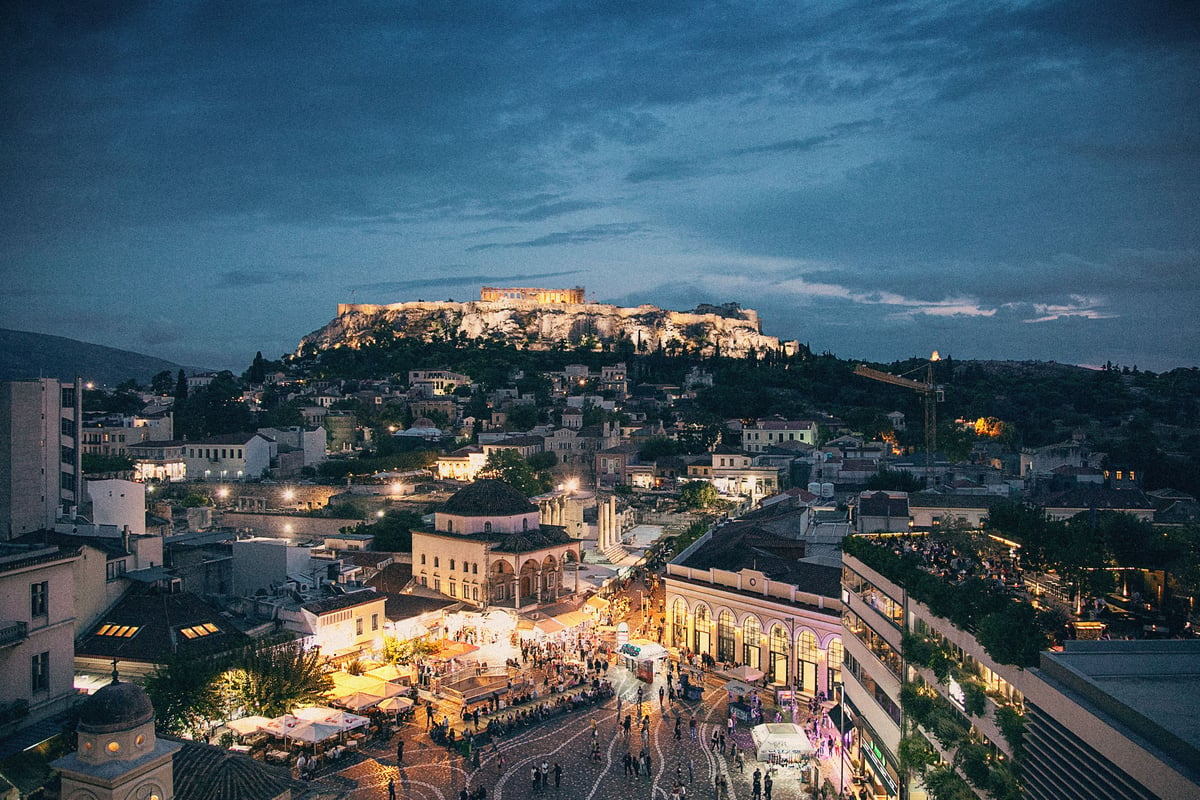
Monastiraki is the lively crossroads of old Athens: a famous flea market, a square with Acropolis views, the city's best-known souvlaki strip, and a major Metro hub that connects you everywhere, including the airport and port. It's energetic and central, day and night.
Good for
Shopping, cheap eats, people-watching, and transport convenience. A lively (sometimes noisy) base.
Psyrri — nightlife and mezze
Just northwest of Monastiraki, Psyrri has transformed from a gritty workshop district into the city's go-to for nightlife — atmospheric bars, late-night mezze spots, street art, and a young, energetic crowd. By day it's quiet; by night it comes alive.
Good for
Bar-hopping, dinner, and a buzzing evening scene. Great to go out in; light sleepers should choose a quieter street to stay on.
Koukaki — the local favorite
South of the Acropolis, Koukaki is a residential neighborhood that's become a traveler favorite for its authentic, un-touristy feel. It's a short walk to the Acropolis Museum and the pedestrianized promenade around the ancient sites, with neighborhood cafés, good-value tavernas, and noticeably better hotel prices than Plaka.
Good for
Travelers who want a local feel and better value while staying within walking distance of the sights.
Kolonaki — upscale and polished
On the slopes of Lycabettus Hill, Kolonaki is Athens' chic district — designer boutiques, smart cafés, art galleries, and quieter, leafier streets. It's a bit removed from the ancient core but still walkable or a short Metro ride, and it offers a more refined, grown-up base.
Good for
Shopping, upscale dining, and a calmer, polished stay away from the tourist bustle.
Syntagma & the center
Syntagma Square is the city's central plaza, home to the Parliament and the ceremonial changing of the guard, and the main Metro interchange. It's the practical heart of the city — useful to know and pass through, with the upscale shopping street of Ermou running off it toward Monastiraki.
Which neighborhood should you choose?
For a first trip, the quick guide: Plaka for charm and proximity to the sights; Monastiraki or Psyrri for nightlife and central buzz; Koukaki for a local feel and better value; Kolonaki for upscale calm. All are walkable to or within a short Metro ride of the ancient core, so you can't go too wrong — it's about the vibe you want to wake up in.
How the neighborhoods fit together
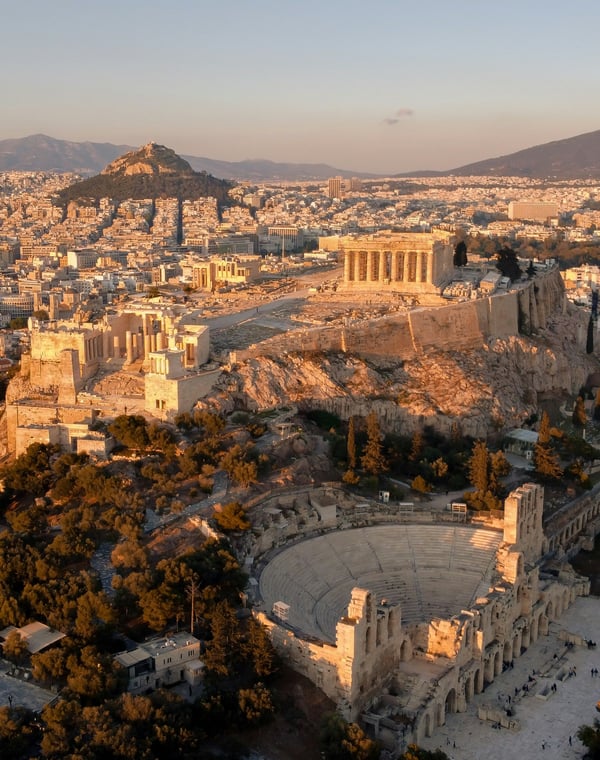
Athens' central districts are smaller and closer than first-timers expect — most of the ones that matter ring the Acropolis and flow into one another on foot. From Plaka you can stroll into Monastiraki in minutes, and on into Psyrri just beyond; Koukaki sits right on the other (southern) side of the Acropolis, and Syntagma with Kolonaki behind it lies a short walk northeast. That compactness is what makes Athens so manageable: you can base in one neighborhood and wander through several others in a single evening. Picture the Acropolis as the hub and these districts as the spokes around it, and the city's geography clicks into place.
FAQ
What's the best neighborhood to stay in Athens?
Plaka for first-time charm and walkability to the sights, Monastiraki or Psyrri for nightlife, Koukaki for a local feel and value, and Kolonaki for upscale calm. All are central or a short Metro ride away.
What is the Plaka neighborhood known for?
Plaka is the historic old town directly under the Acropolis — neoclassical houses, charming pedestrian lanes, cafés, and easy walking access to the ancient sites. It's the classic first-timer base.
Where is the nightlife in Athens?
Psyrri is the main nightlife district — bars, late-night mezze, and street art — with neighboring Monastiraki also lively. Both come alive after dark.
What is Koukaki known for?
Koukaki is a residential neighborhood just south of the Acropolis that's popular for its authentic, un-touristy feel, neighborhood cafés, and better value, while still being walkable to the sights.
Is Anafiotika worth visiting?
Yes — it's a tiny, magical cluster of island-style whitewashed houses on the Acropolis slope, a quiet and charming detour from busy Plaka. It's a place to wander rather than stay.
Keep planning
Not sure how the islands fit together?
Pick your trip length and we'll route a real island-by-island plan — ferries included.